Soft Robotics / 2026
Sentimental Cloud
A soft robotic installation that explores how physiological signals can be translated into an ambient and emotional experience through movement, material, and light.
Role
Research
Interaction Design
3D Fabrication
Hardware Prototyping
Team
Sukie Wang
tools
Arduino Micro
Air Pumps
Fusion 360
3D Printer
JavaScript
Silicone
concept
A cloud that feels and reflect your pulse
Inspired by prior research showing that soft robotics can influence breathing patterns, emotional states, and a sense of bodily connection through synchronized movement and tactile interaction, Sentimental Cloud explores how physiological signals can be translated into an ambient and emotional experience.
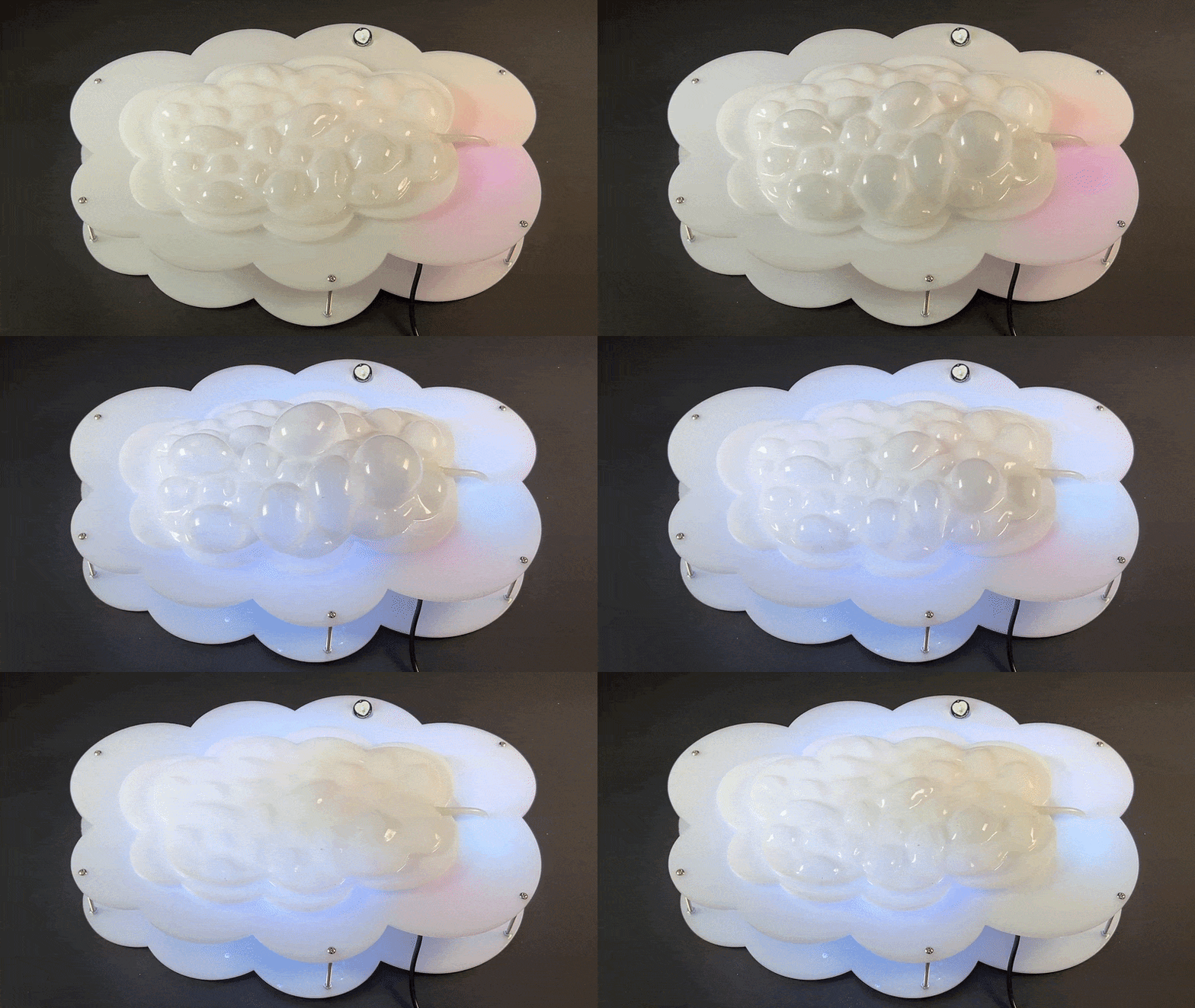
Using a pulse sensor, the system maps a participant’s heart rate to different breathing rhythms and weather-inspired lighting conditions, allowing the cloud to visibly “breathe” in response to the body. Through movement, color, and soft material interaction, the project investigates how soft robotics can externalize invisible physiological signals into a tangible and calming atmospheric experience.
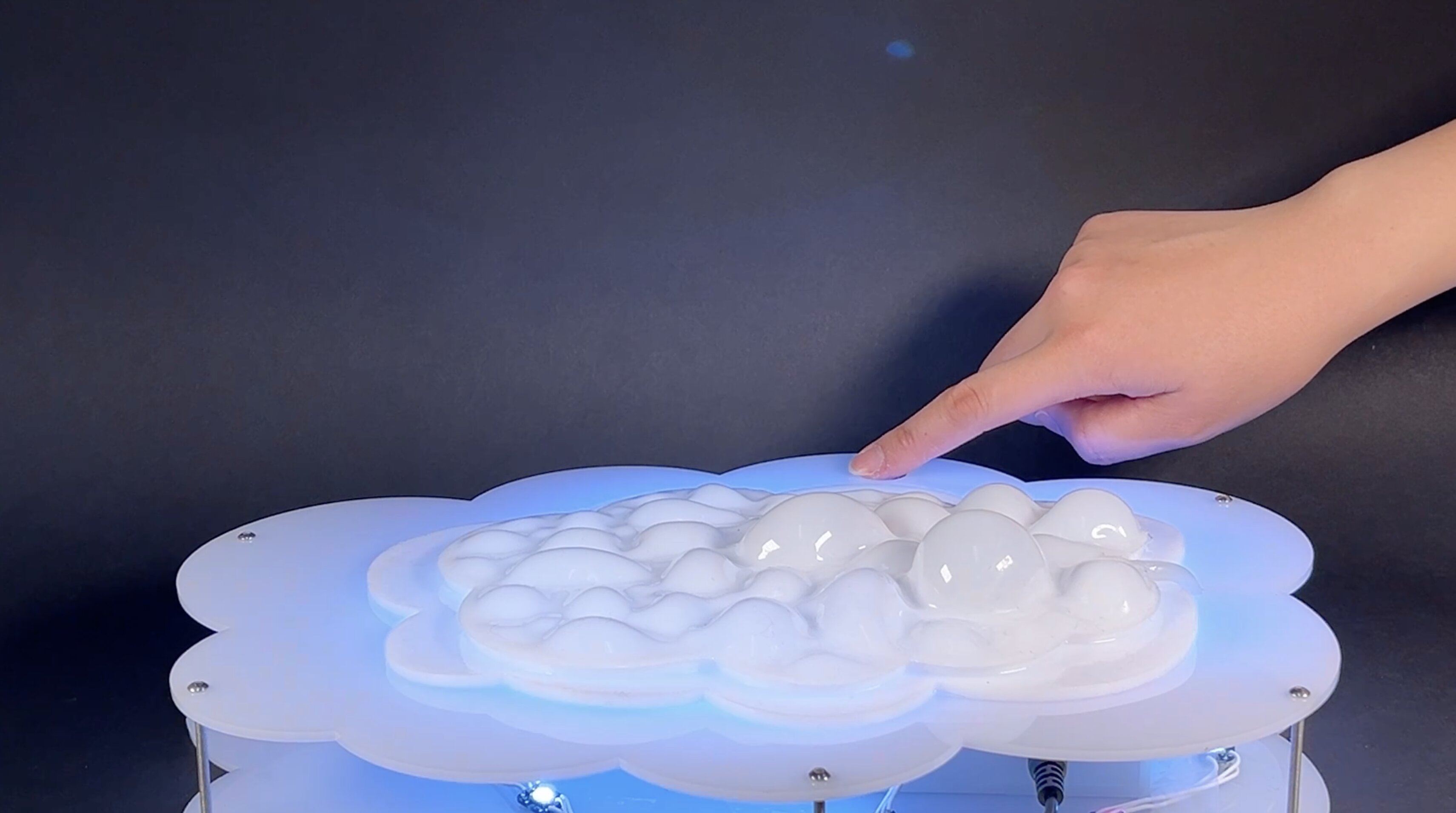
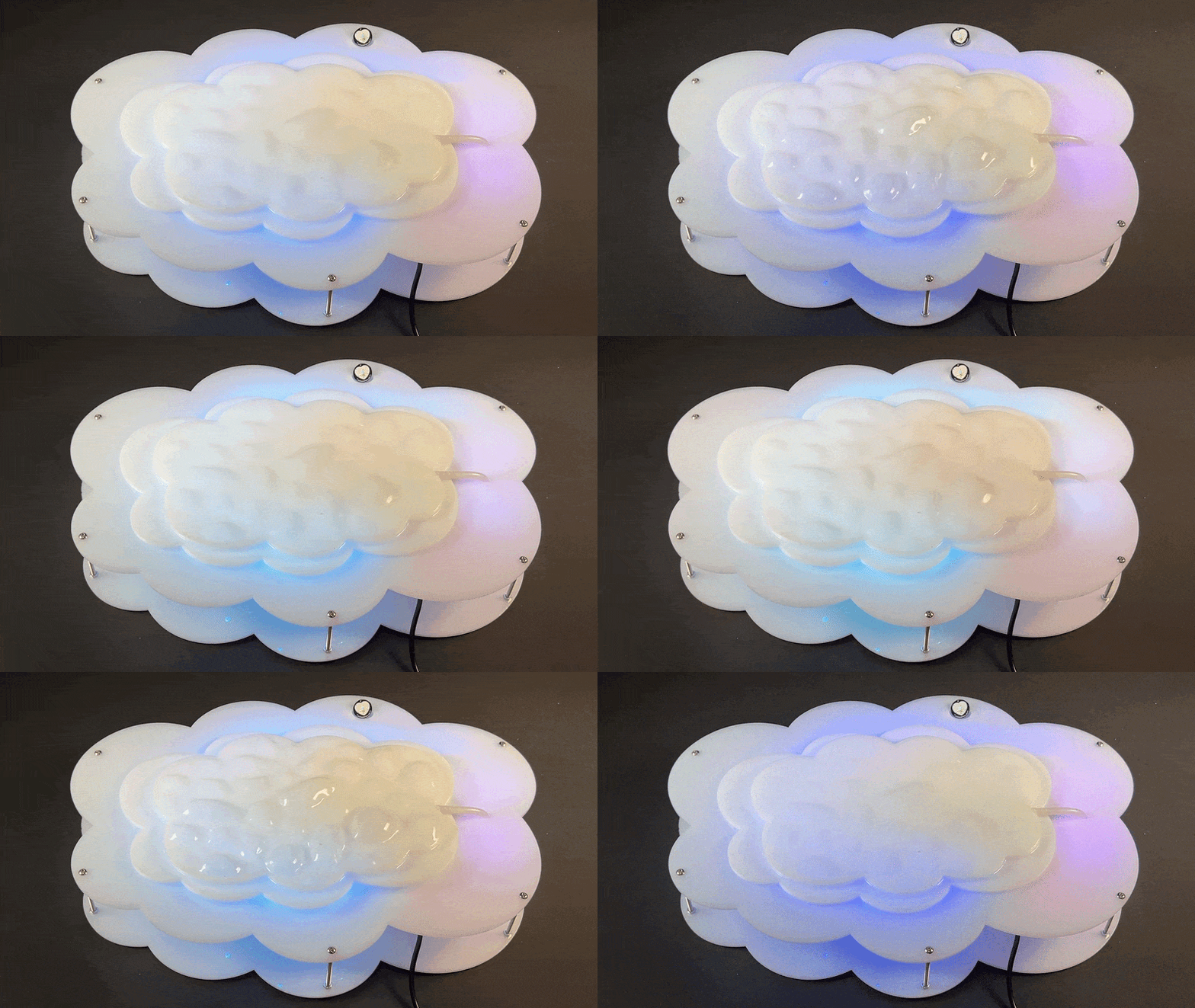
Clear skies: idle ambient state
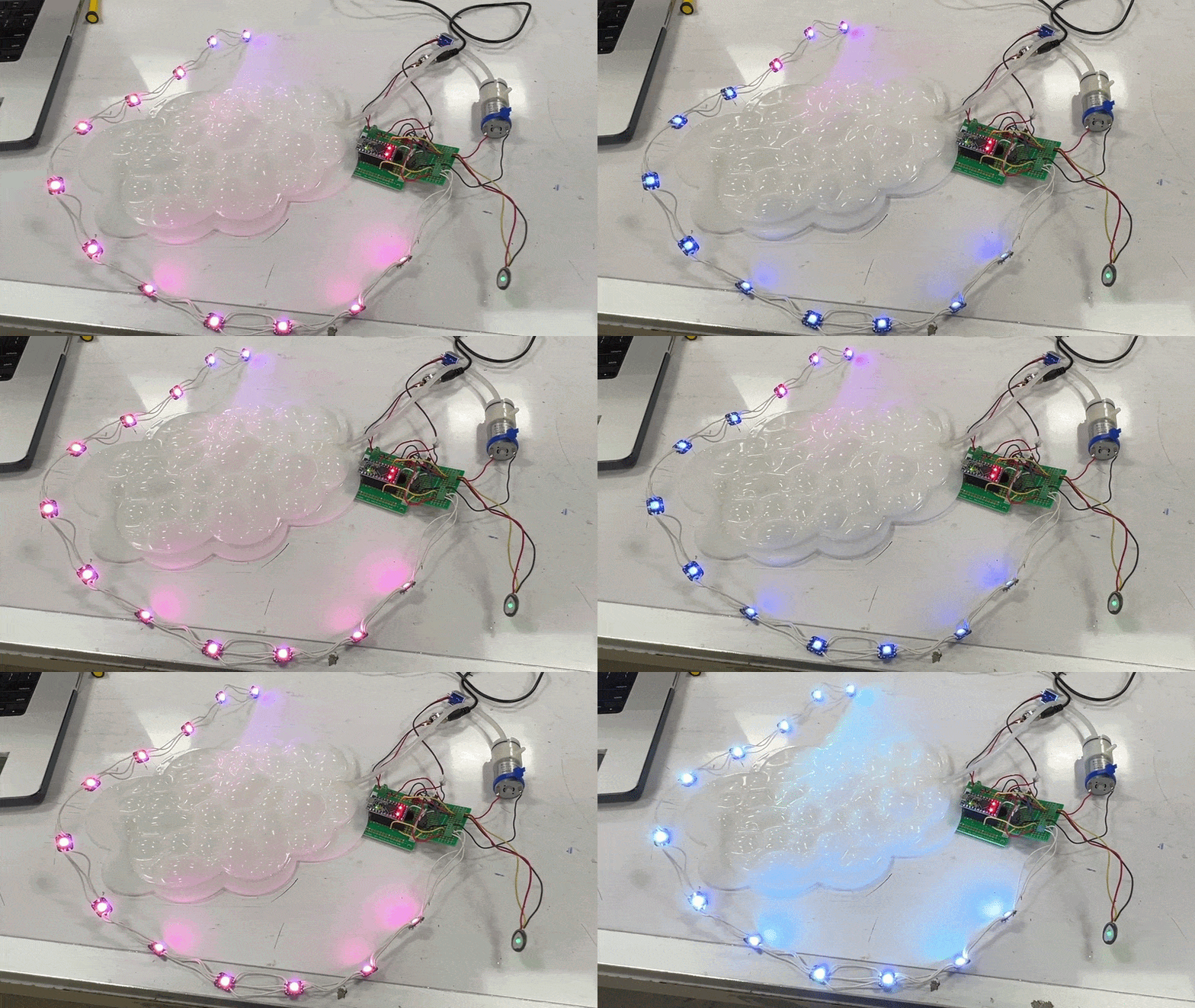
Acts as the cloud’s default condition when no pulse is detected. The cloud breathes with a gentle rhythm and slowly transitions between cyan and sky blue light, creating a calm and open atmosphere similar to a clear sky.
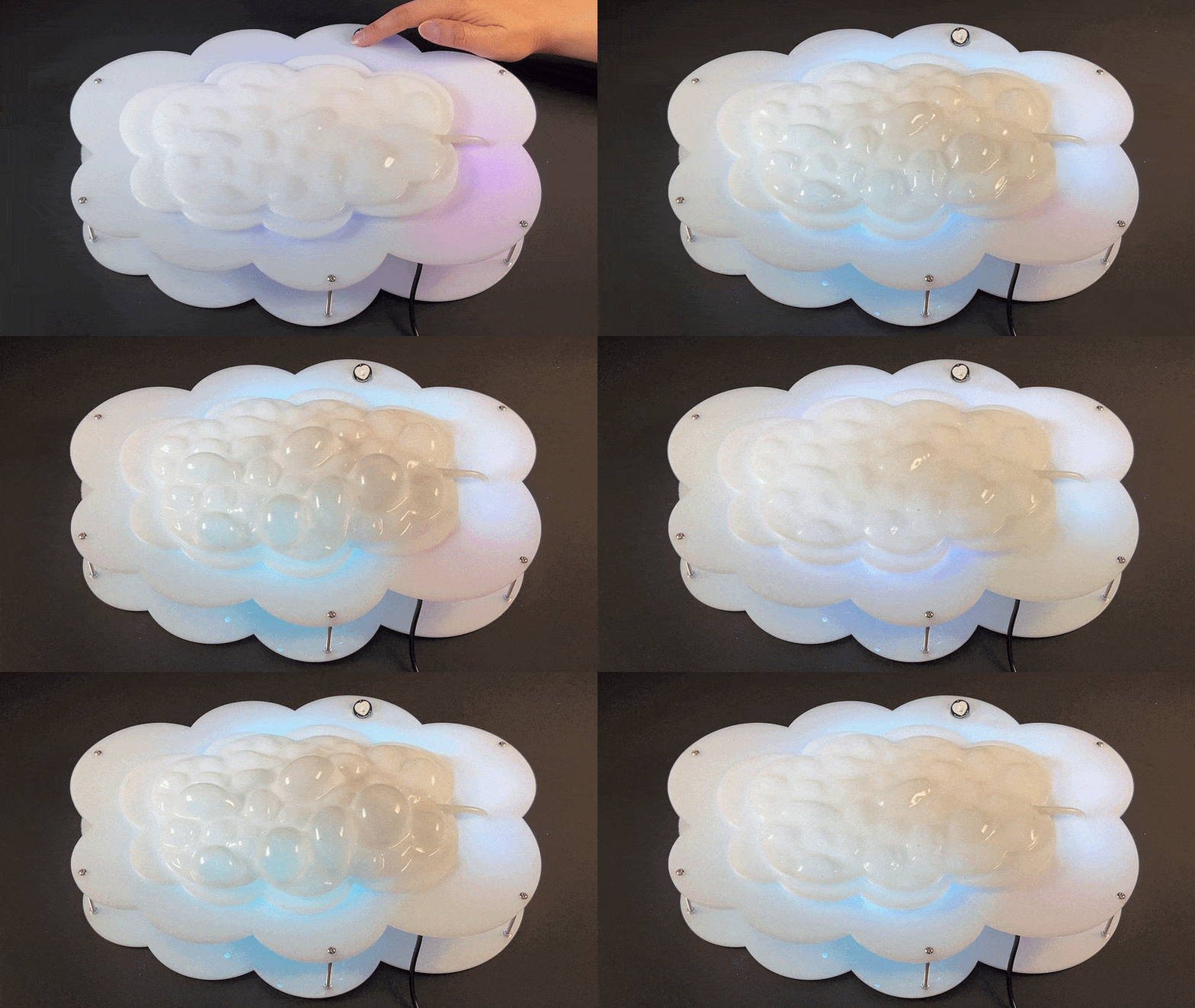
Quiet overcast: slow and reflective state
When the user’s BPM drops below 60, the cloud enters overcast state. The breathing becomes slower and more steady, while soft lilac and white lighting creates a muted and quiet mood. This state is intended to feel still, reflective, and subdued.
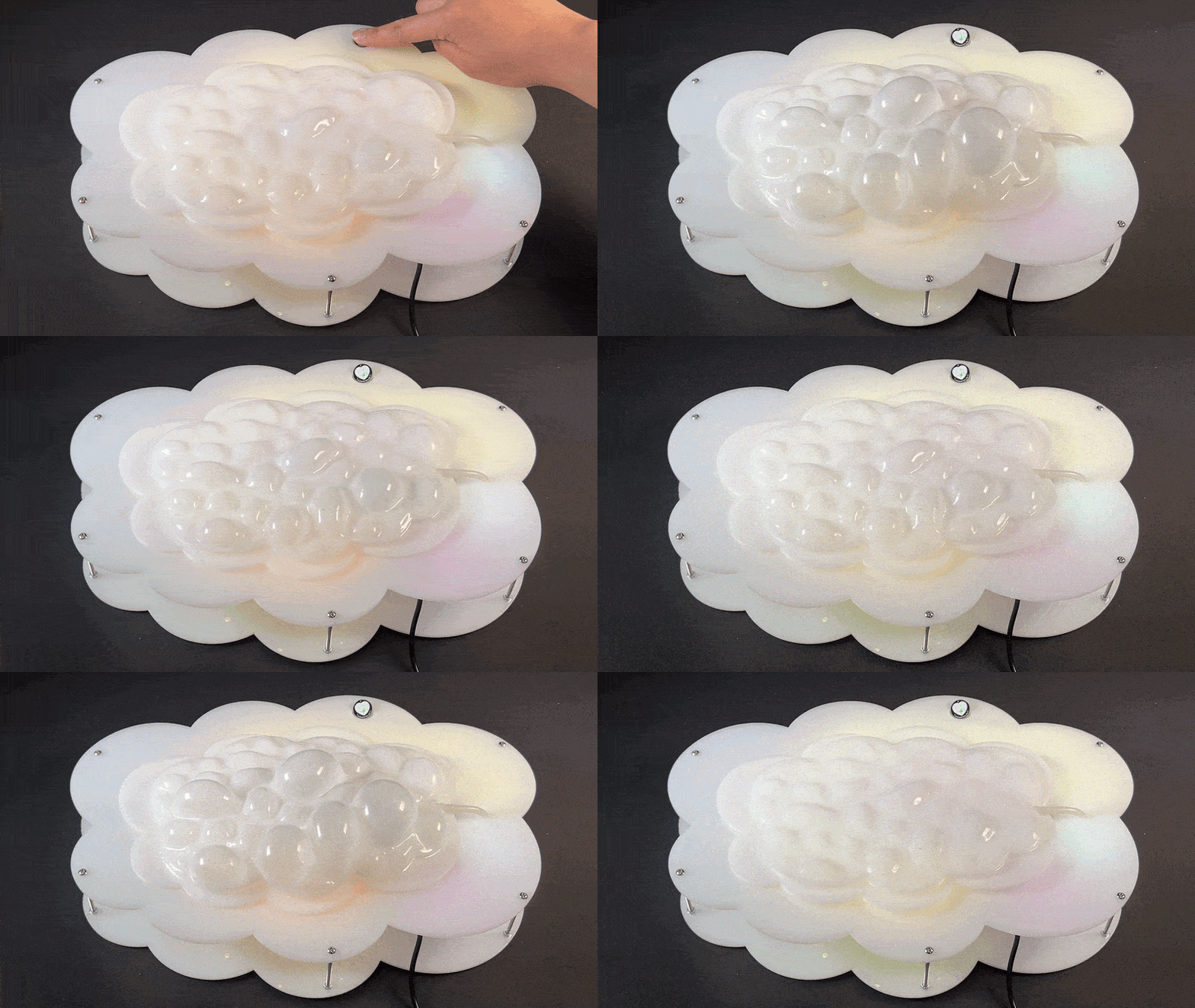
Warm sunshine: balanced and active state
When the user’s BPM falls within a normal resting range (60–100 BPM), the cloud shifts into sunny state. Warm yellow and orange lighting combined with smooth breathing patterns create a brighter and more energetic atmosphere, representing a balanced and active emotional state.
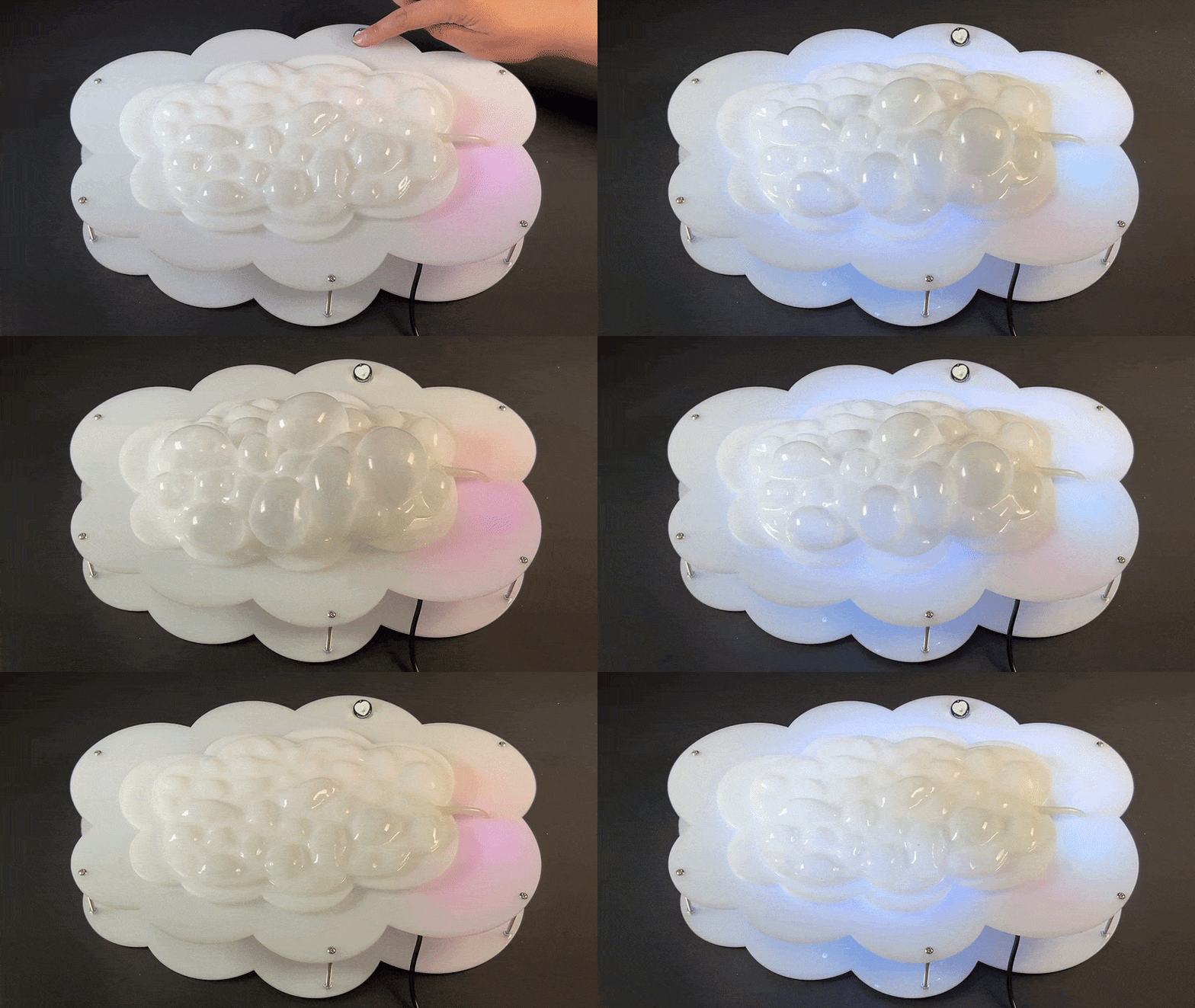
Electric storm: heightened arousal state
When the user’s BPM rises above 100, the cloud enters storm state. The breathing pattern becomes heavier and more dramatic, while flashing white light simulates lightning. This condition represents heightened arousal, stress, or excitement through a more intense ambient response.
Prototyping process
Exploring mold structures for organic cloud forms
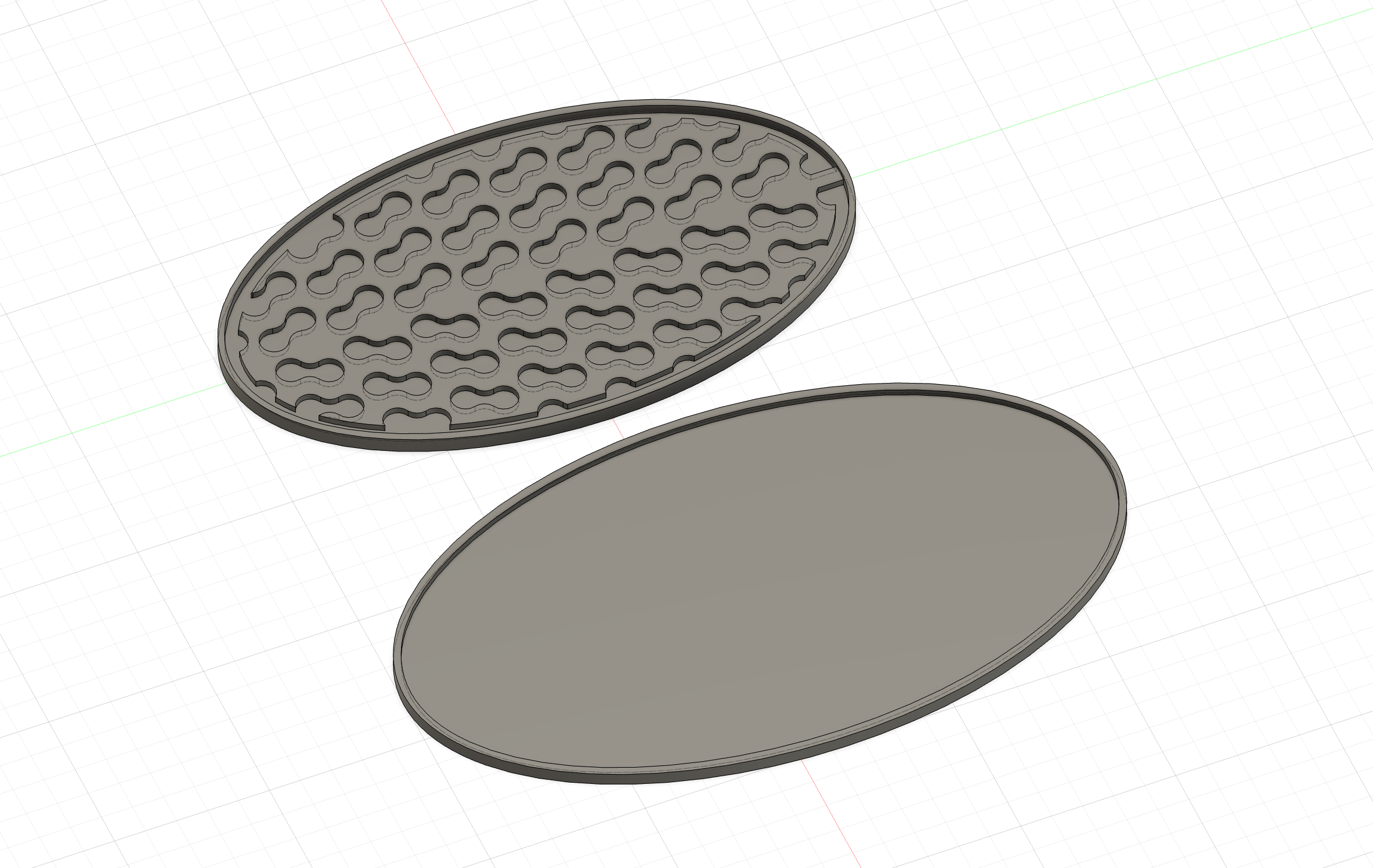
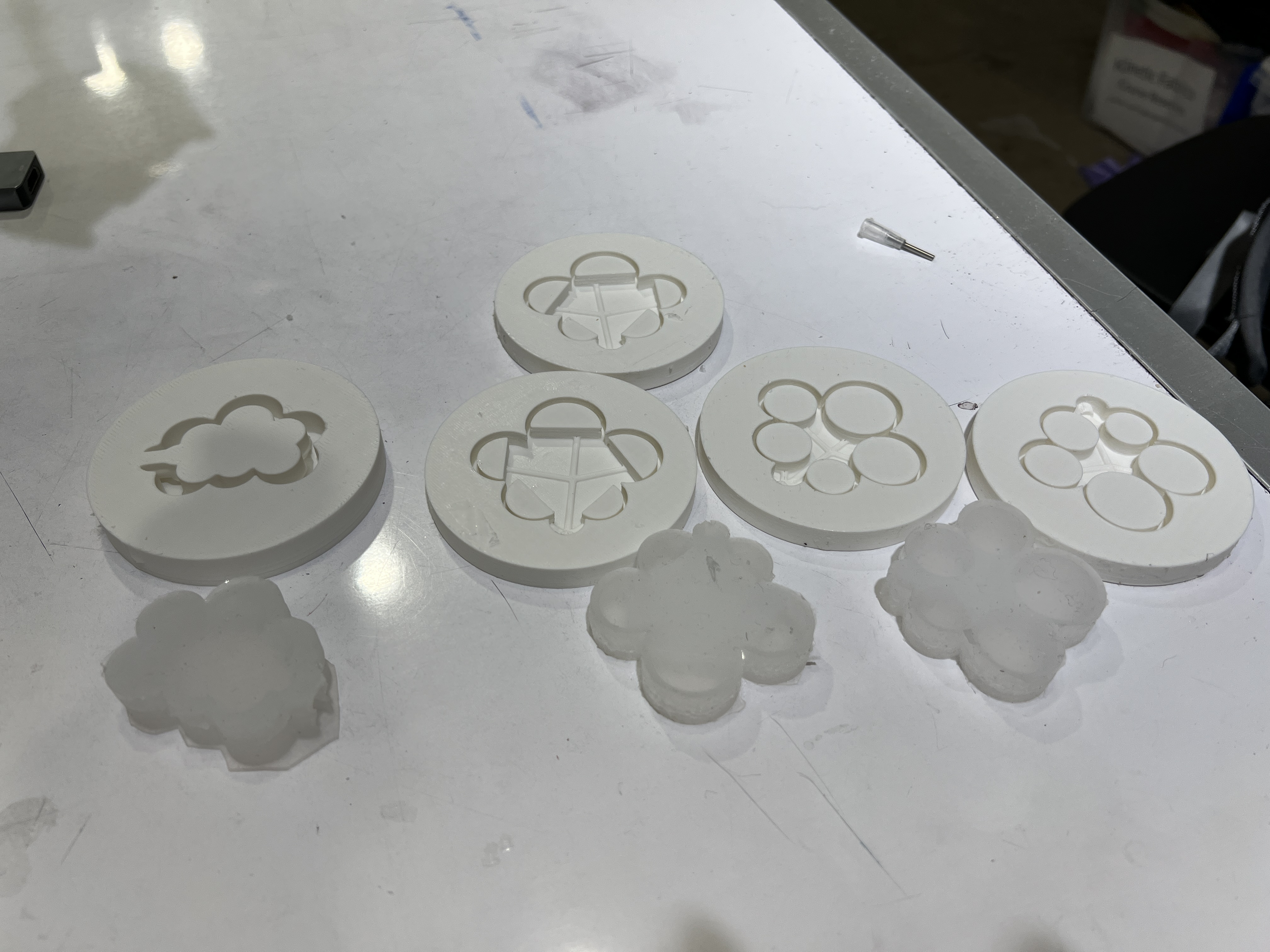
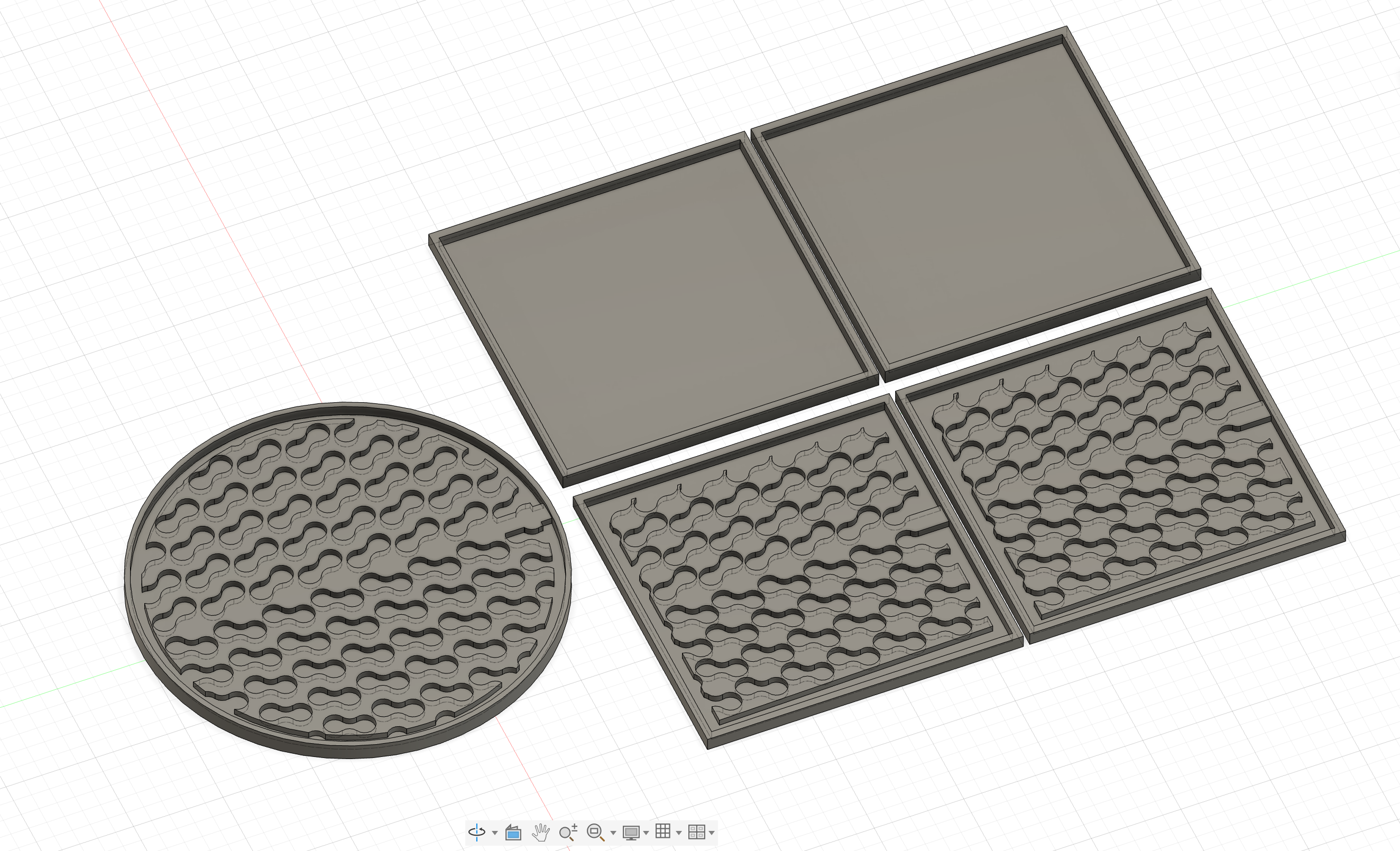
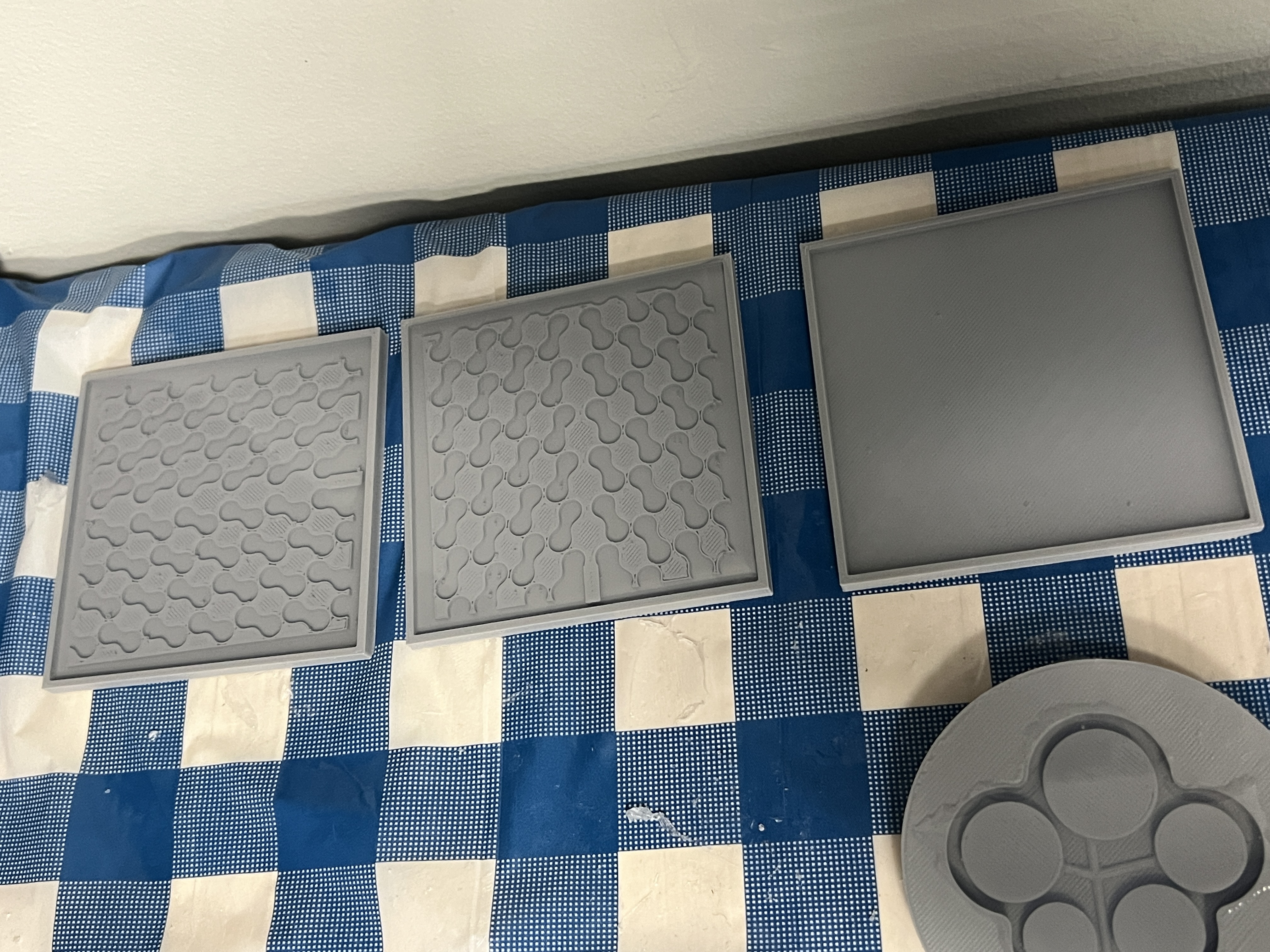
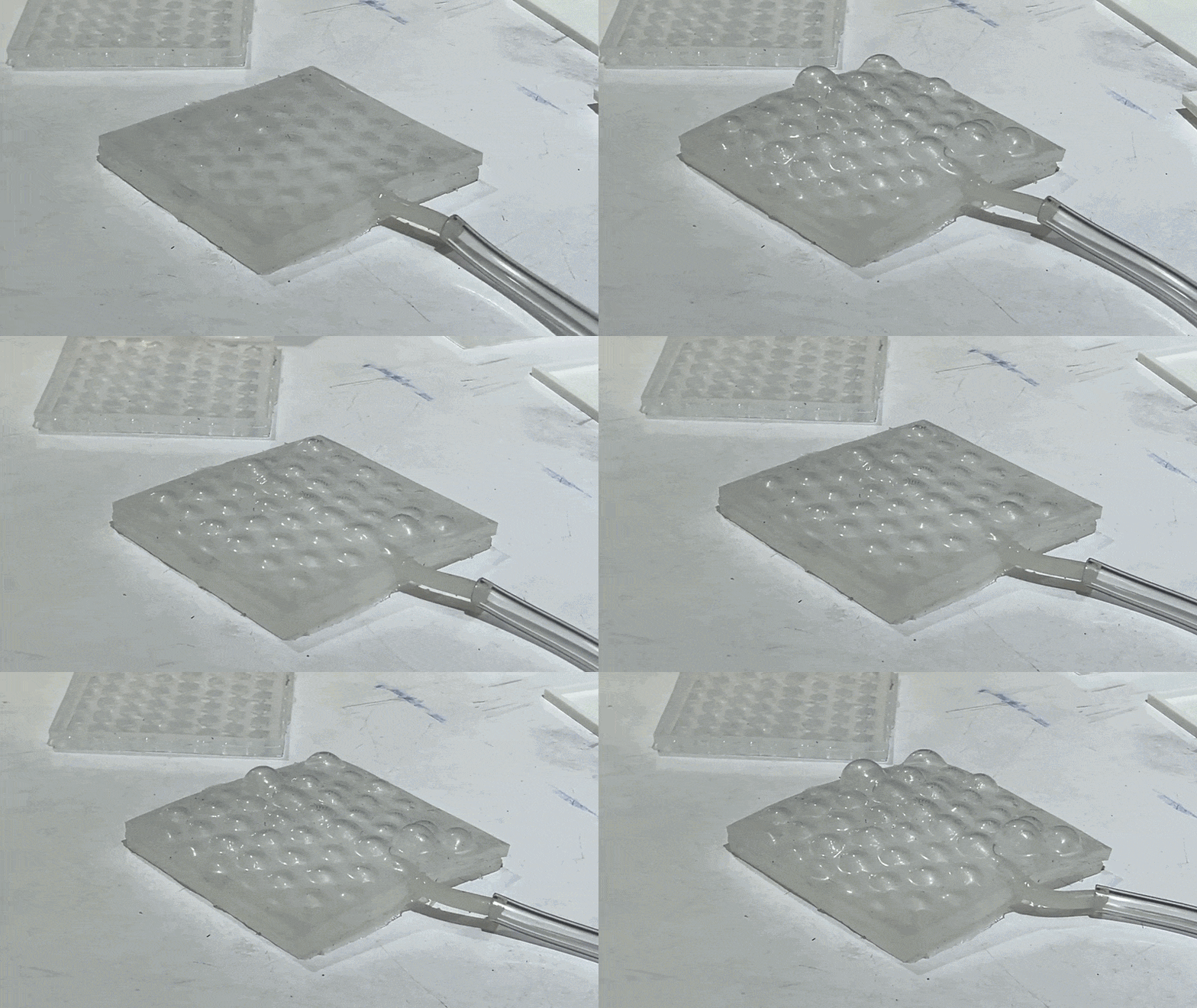
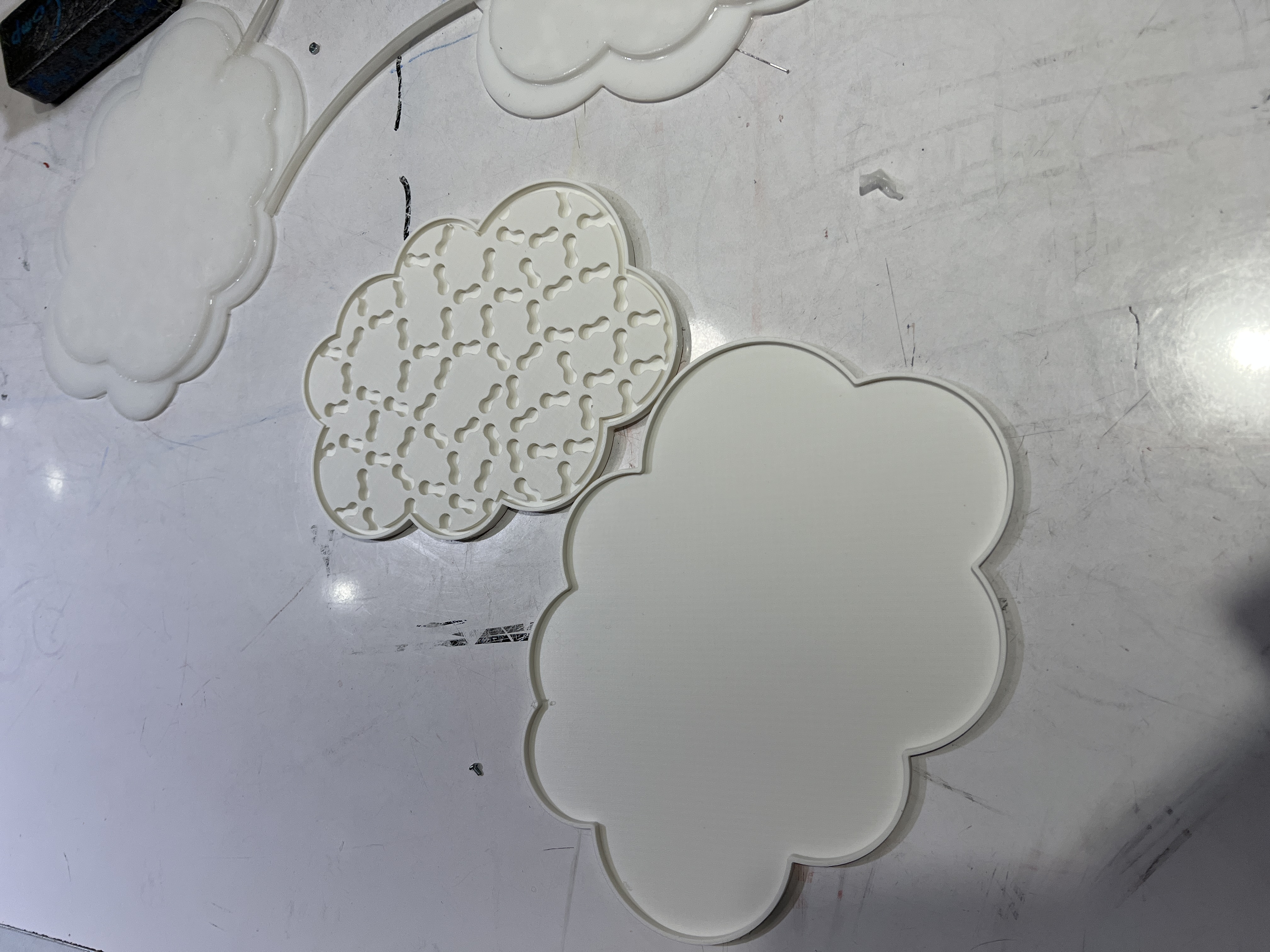
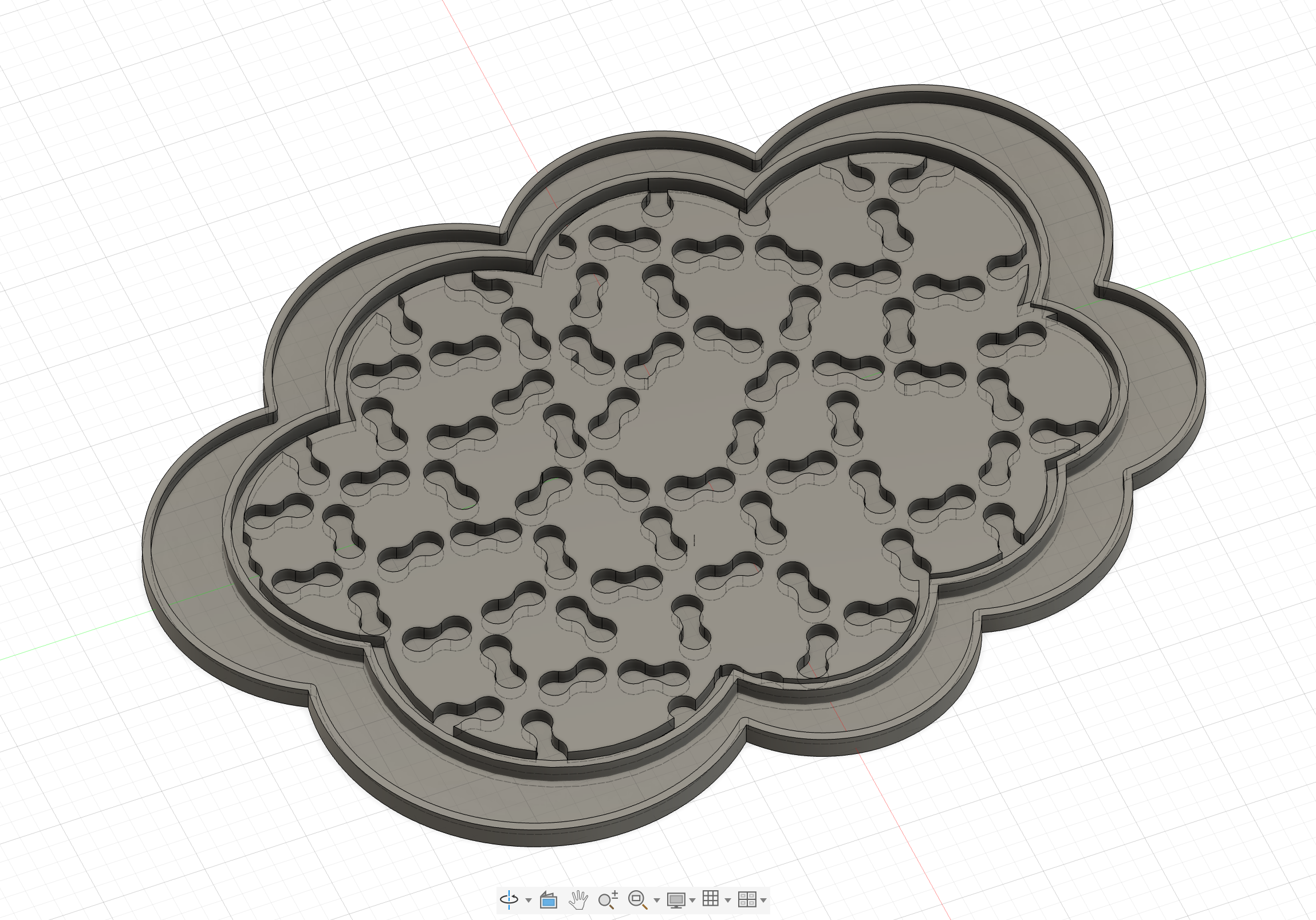
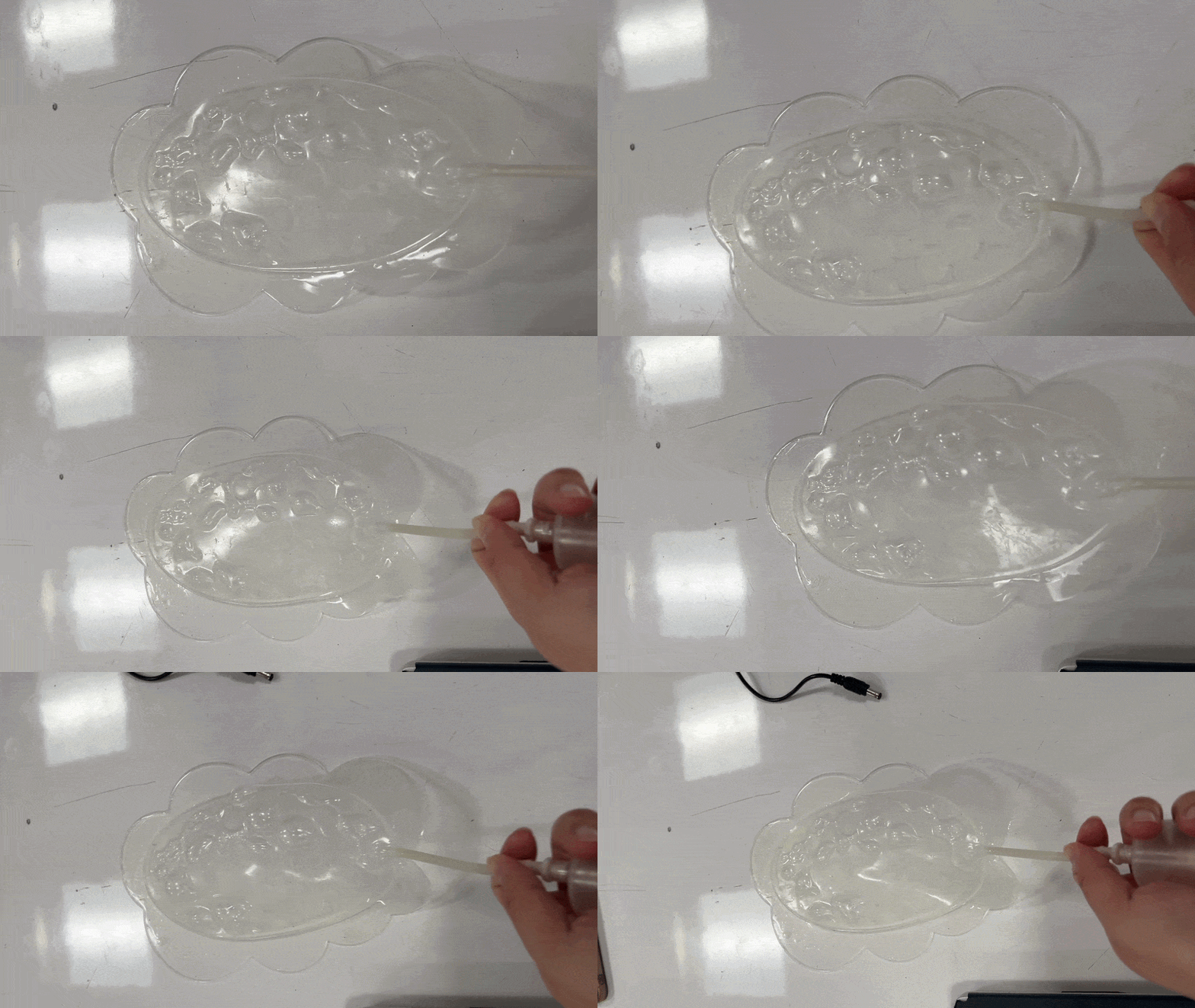
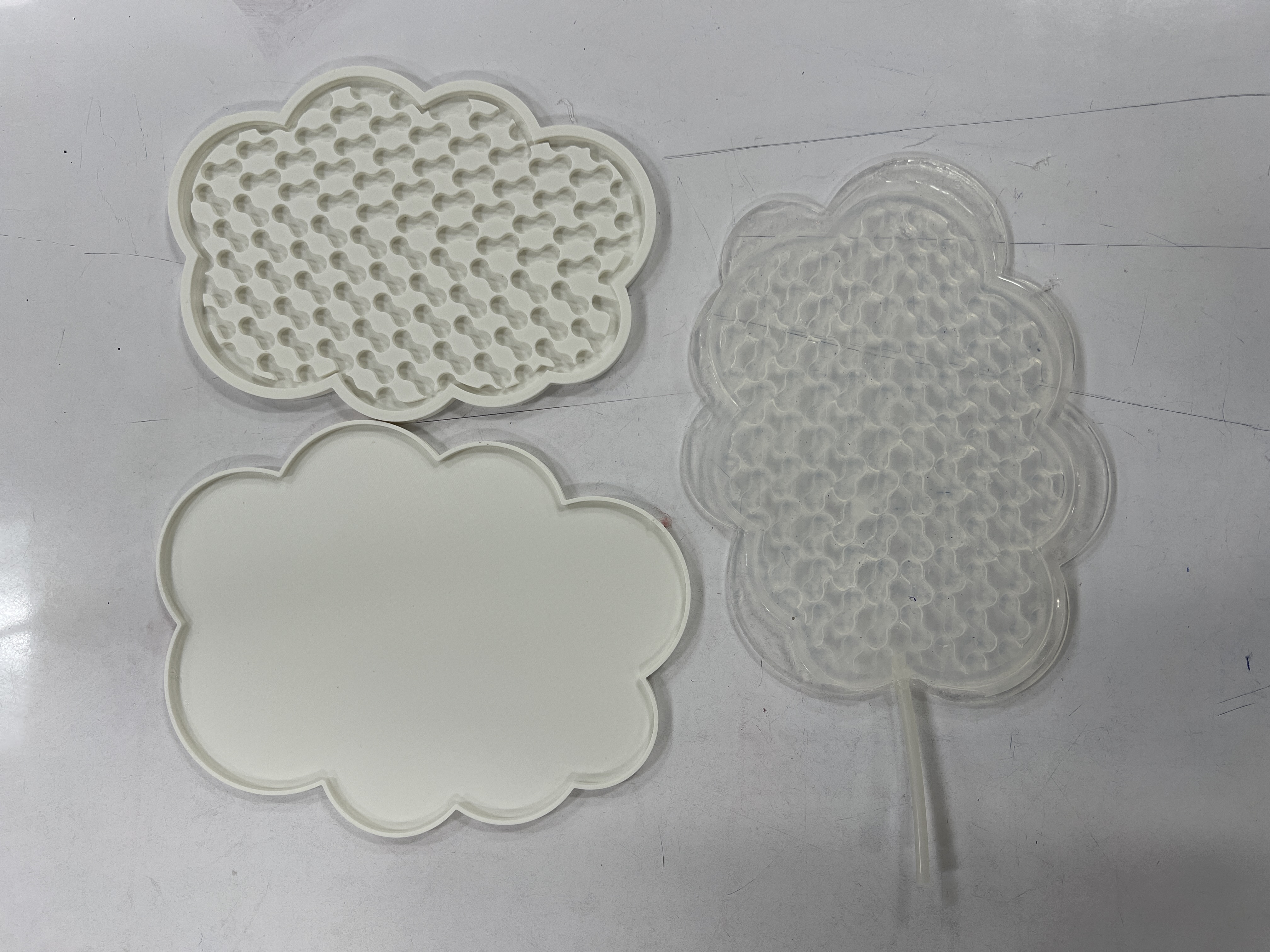
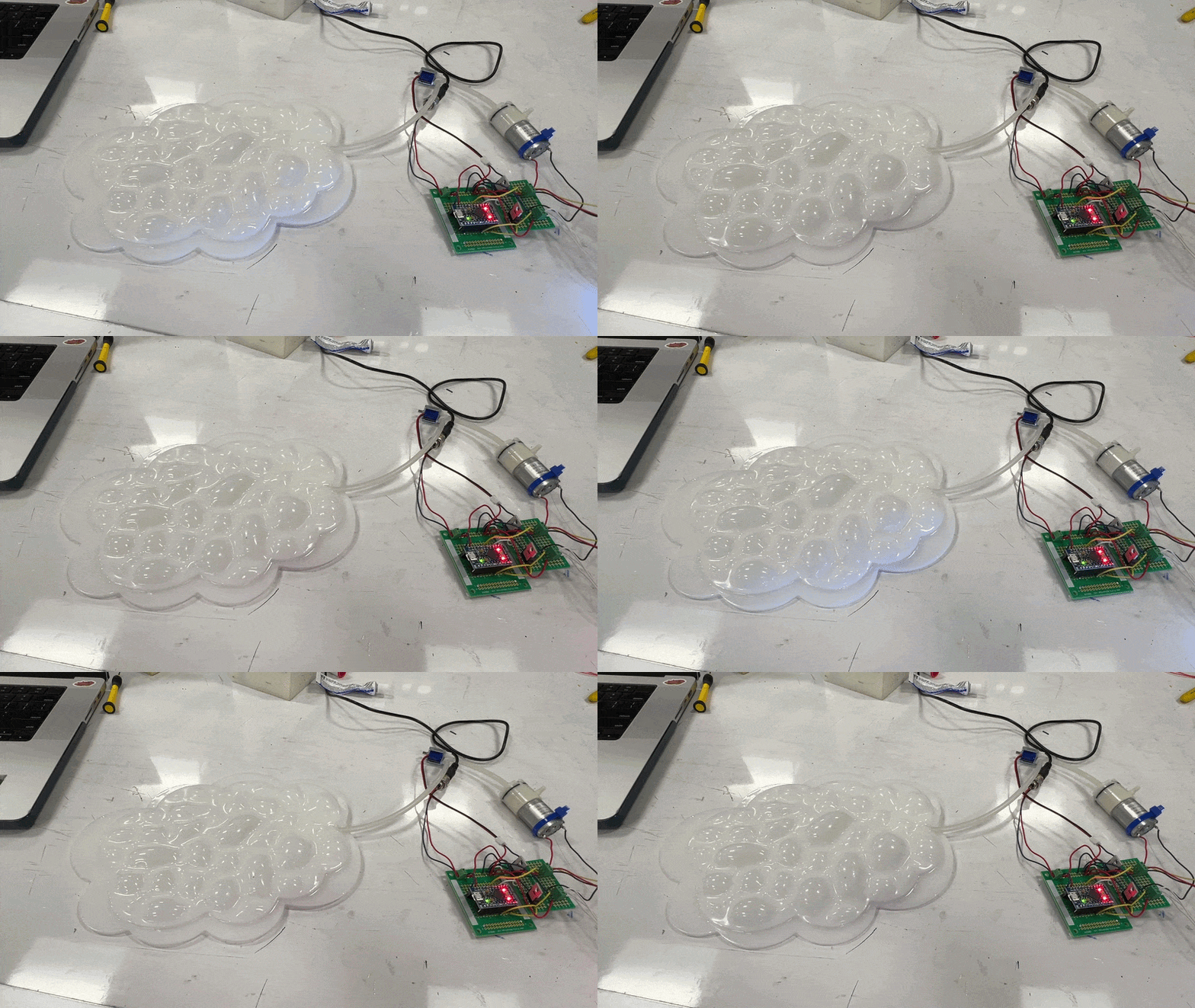
We began by experimenting with different mold designs to explore how to recreate the soft and organic form of a cloud. Our initial goal was to make the cloud appear more three-dimensional when inflated, so we started with a two-part mold design where one side contained the patterned air chambers while the other side remained as a flat base.
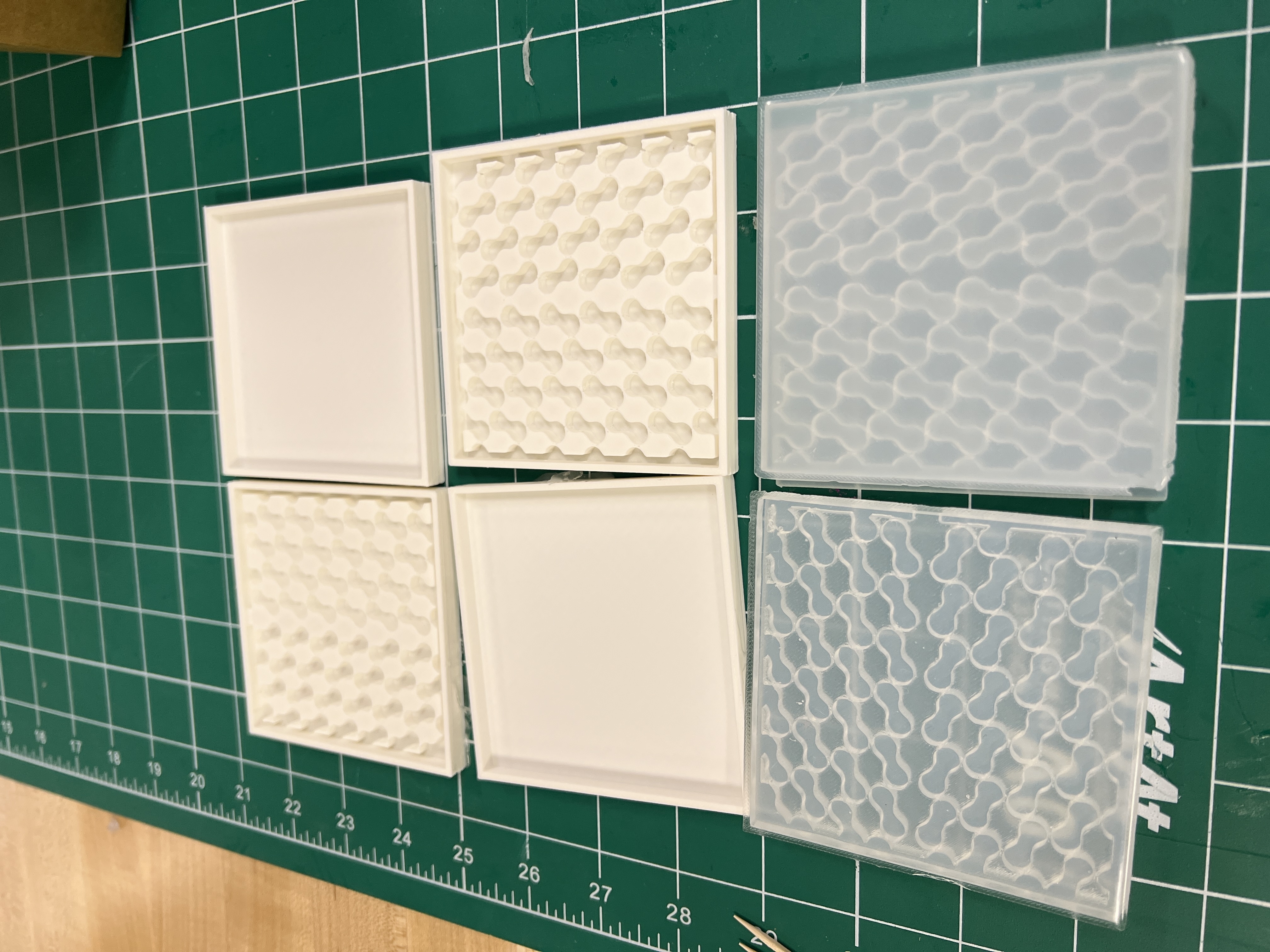
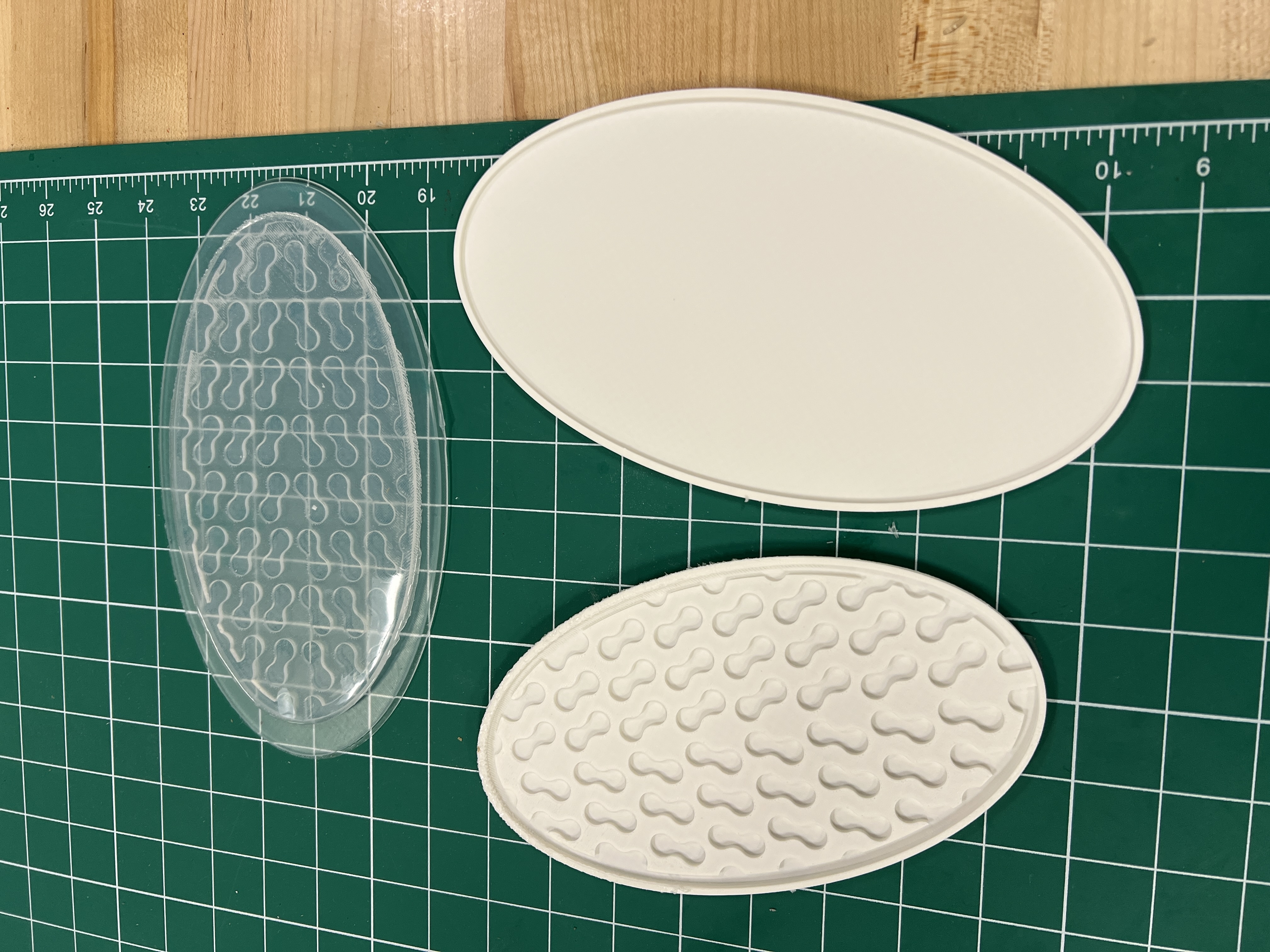
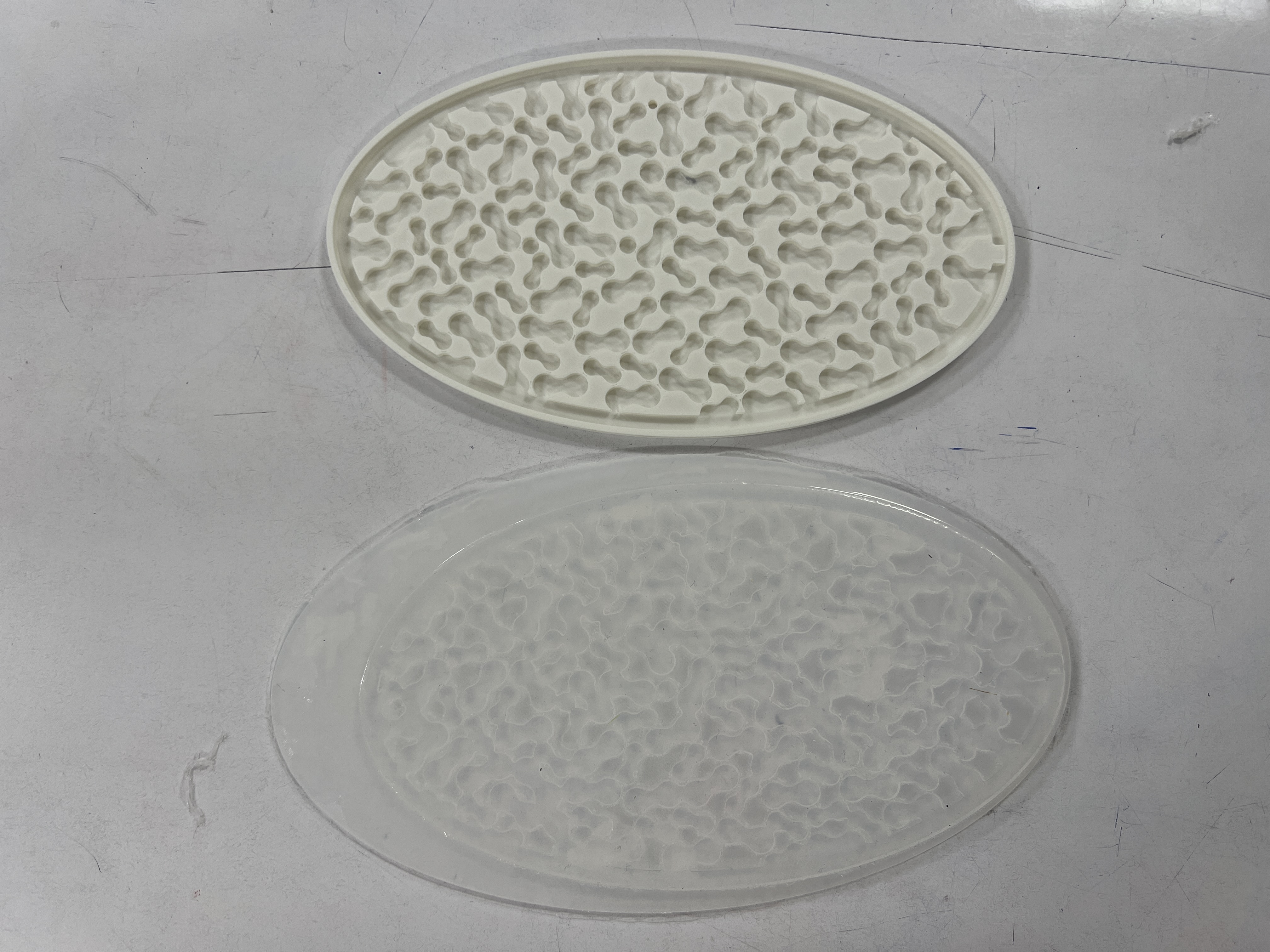
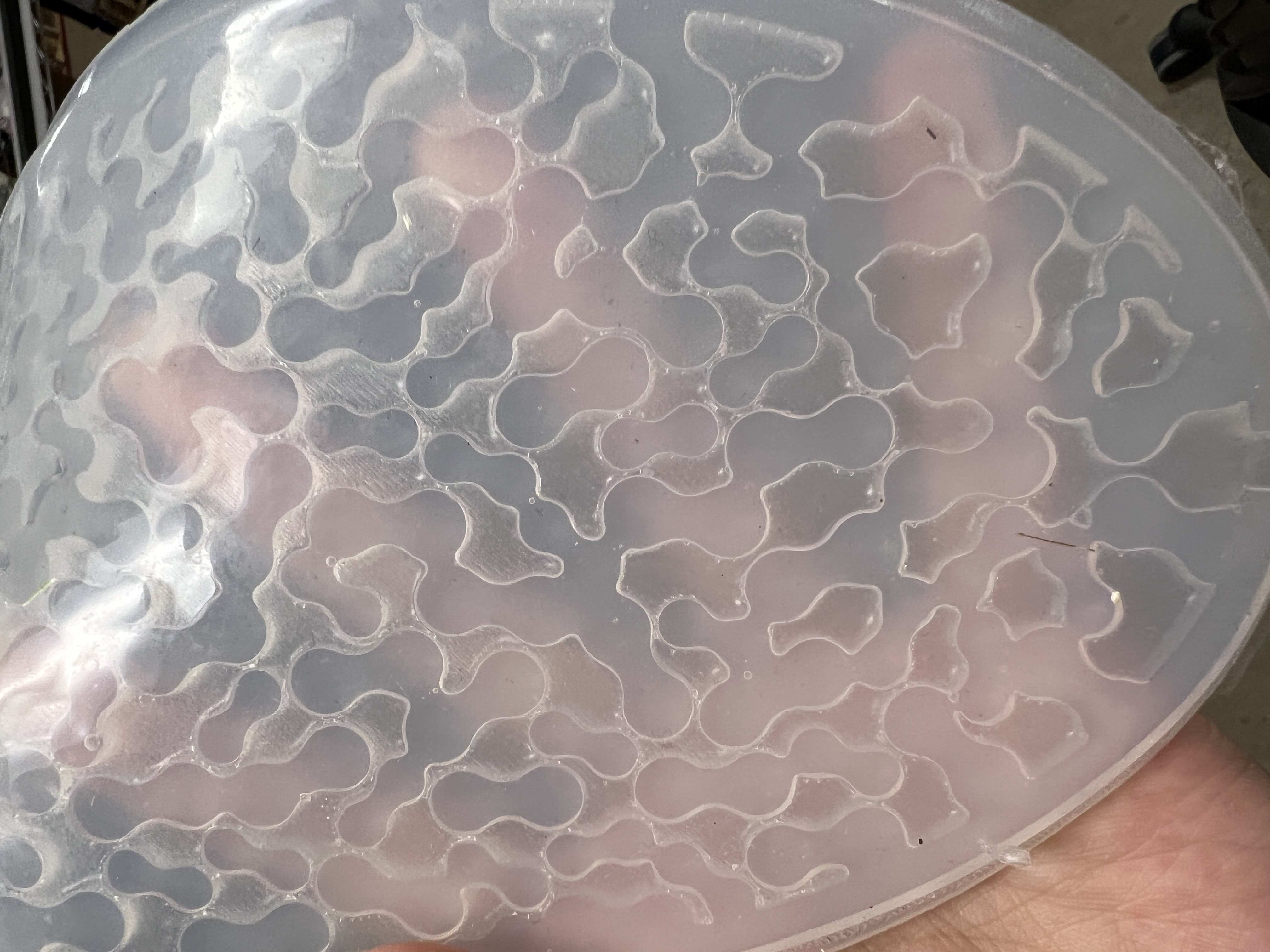
Iterating air chamber shapes and distribution
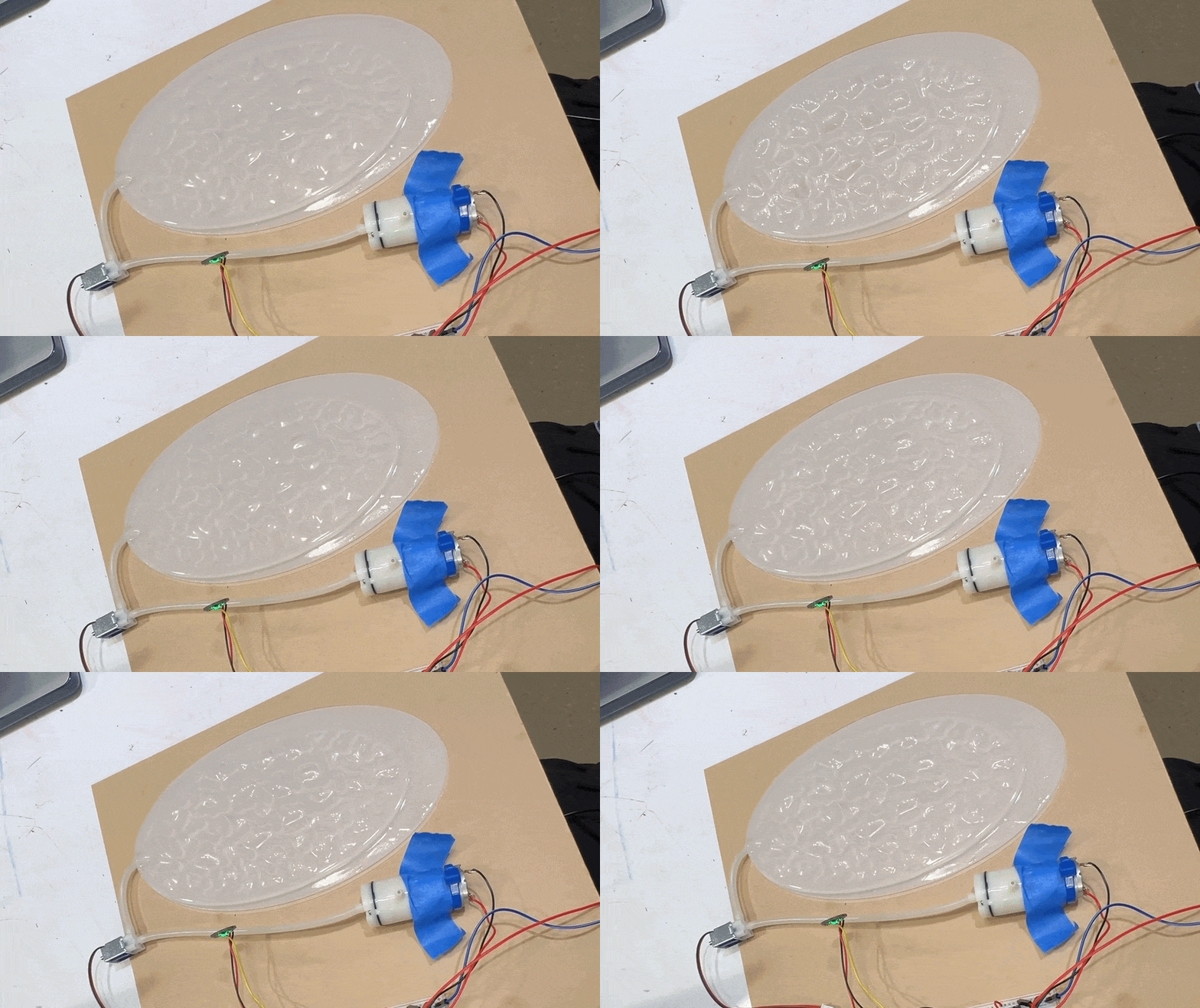
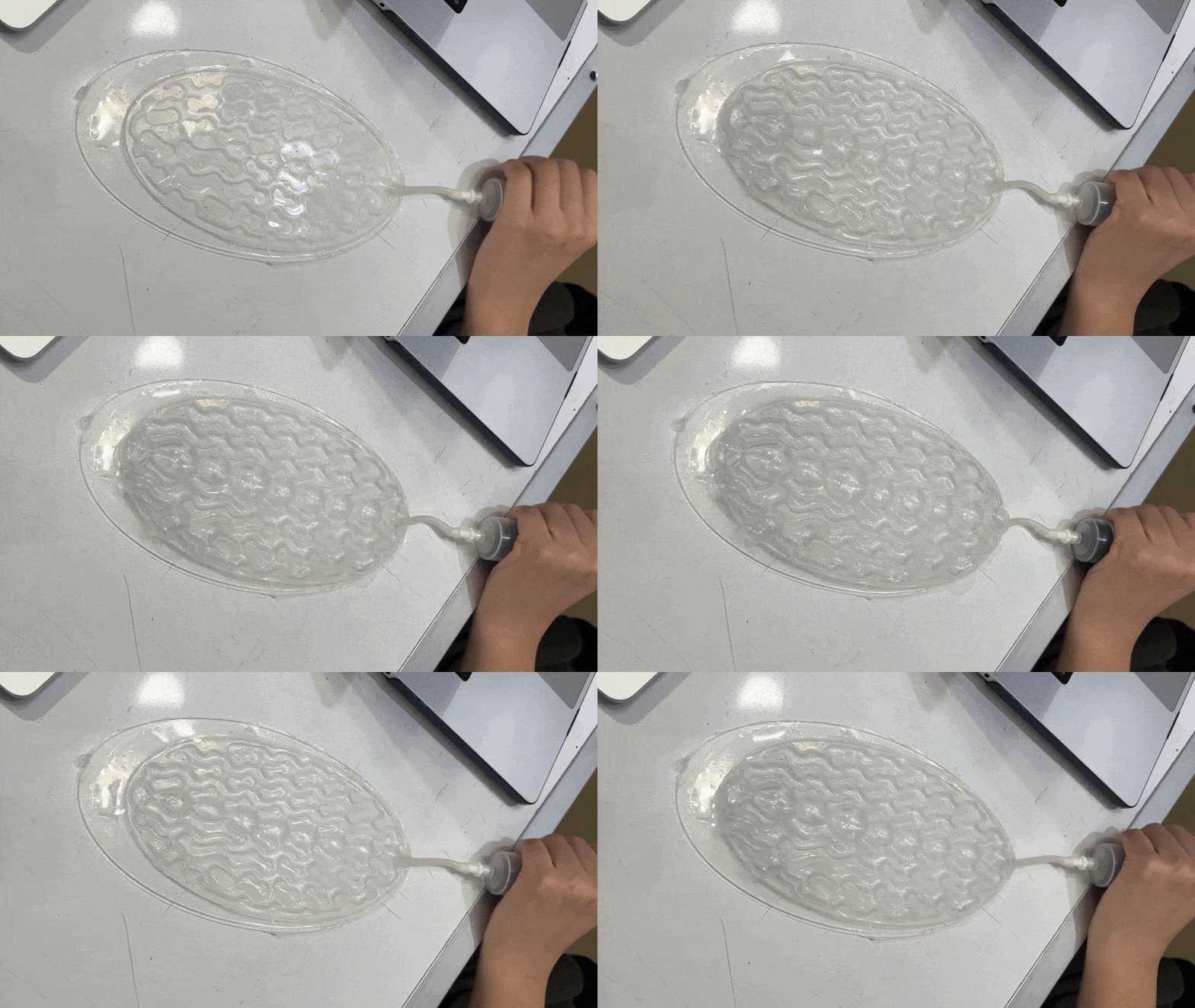
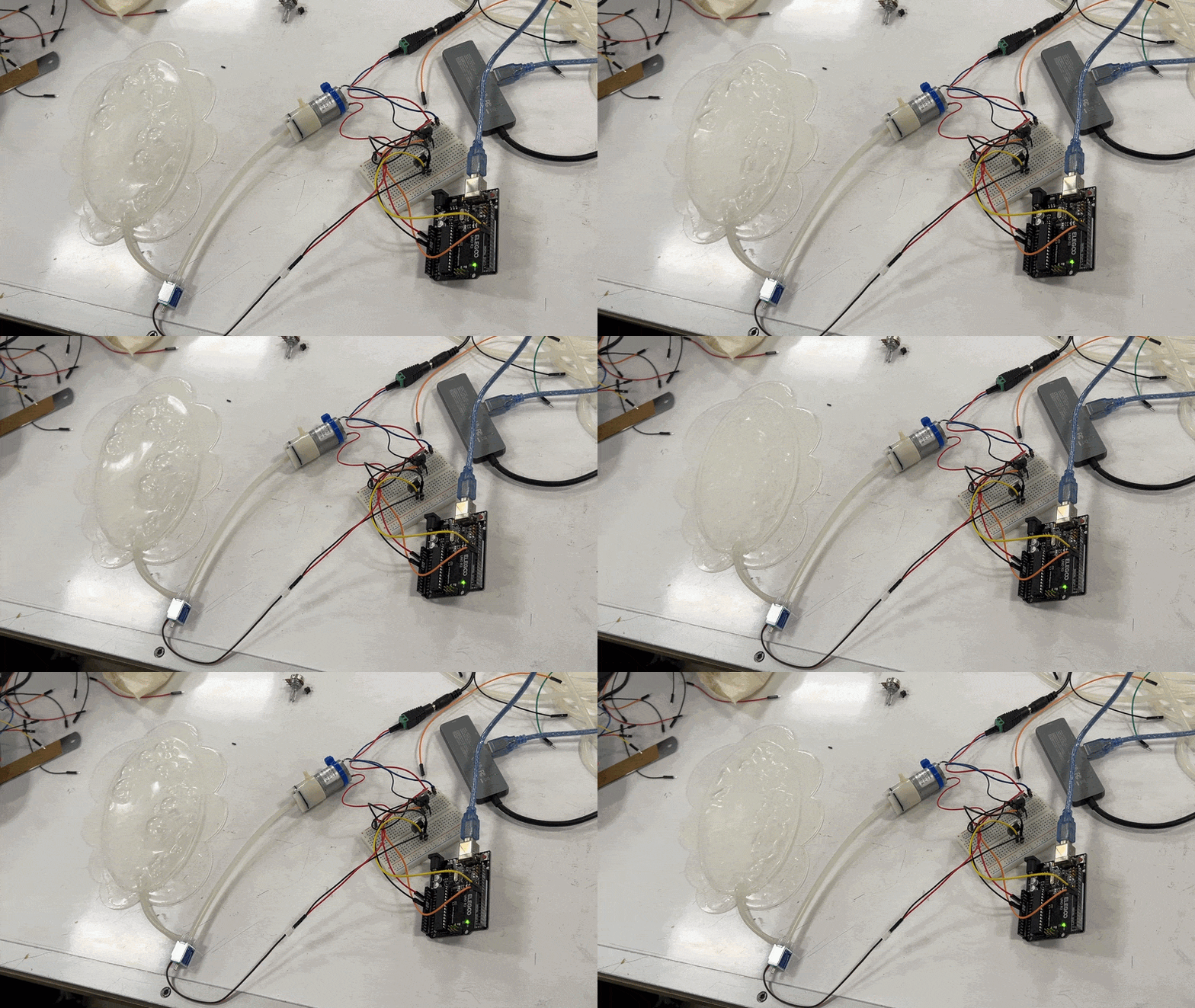
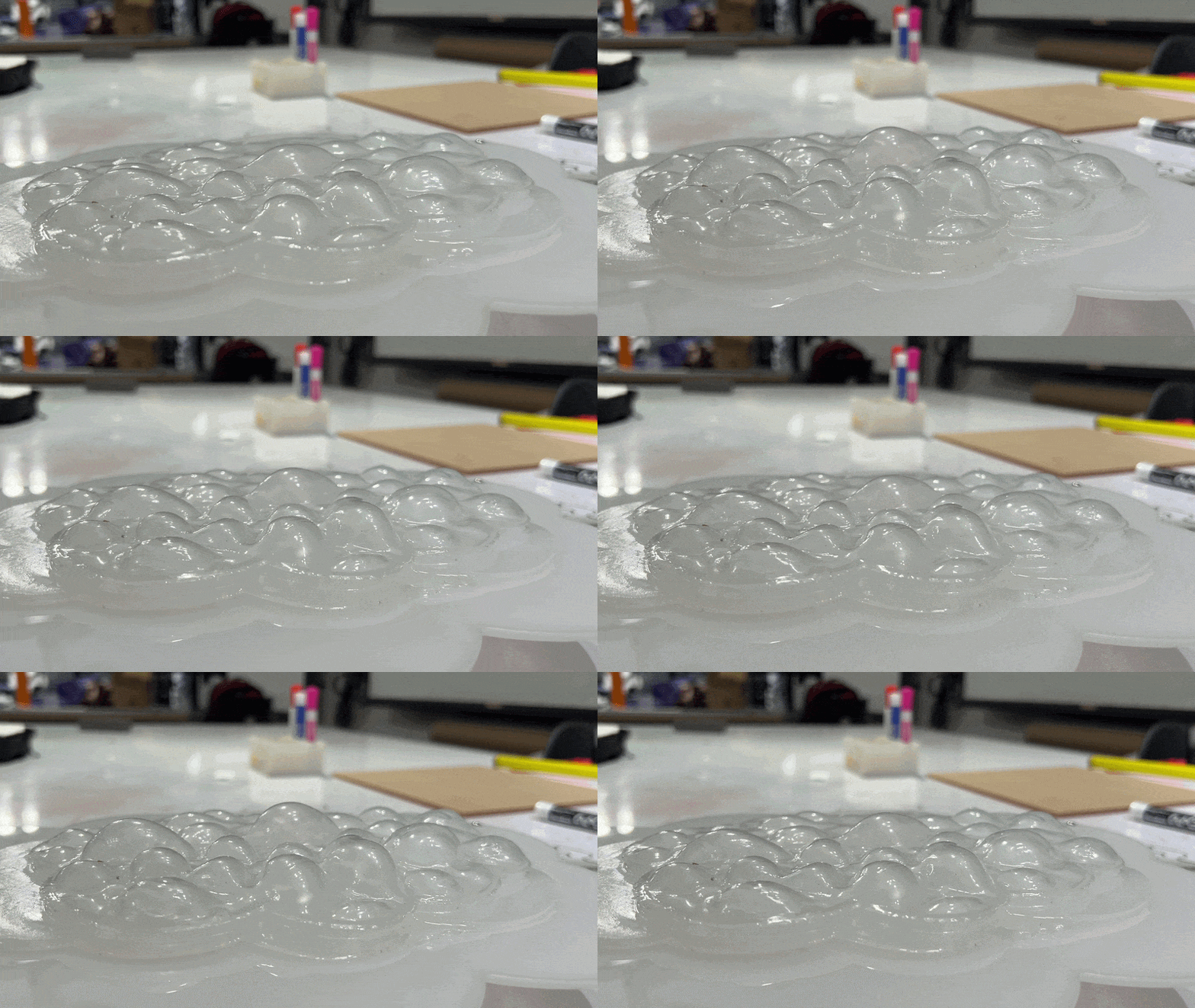
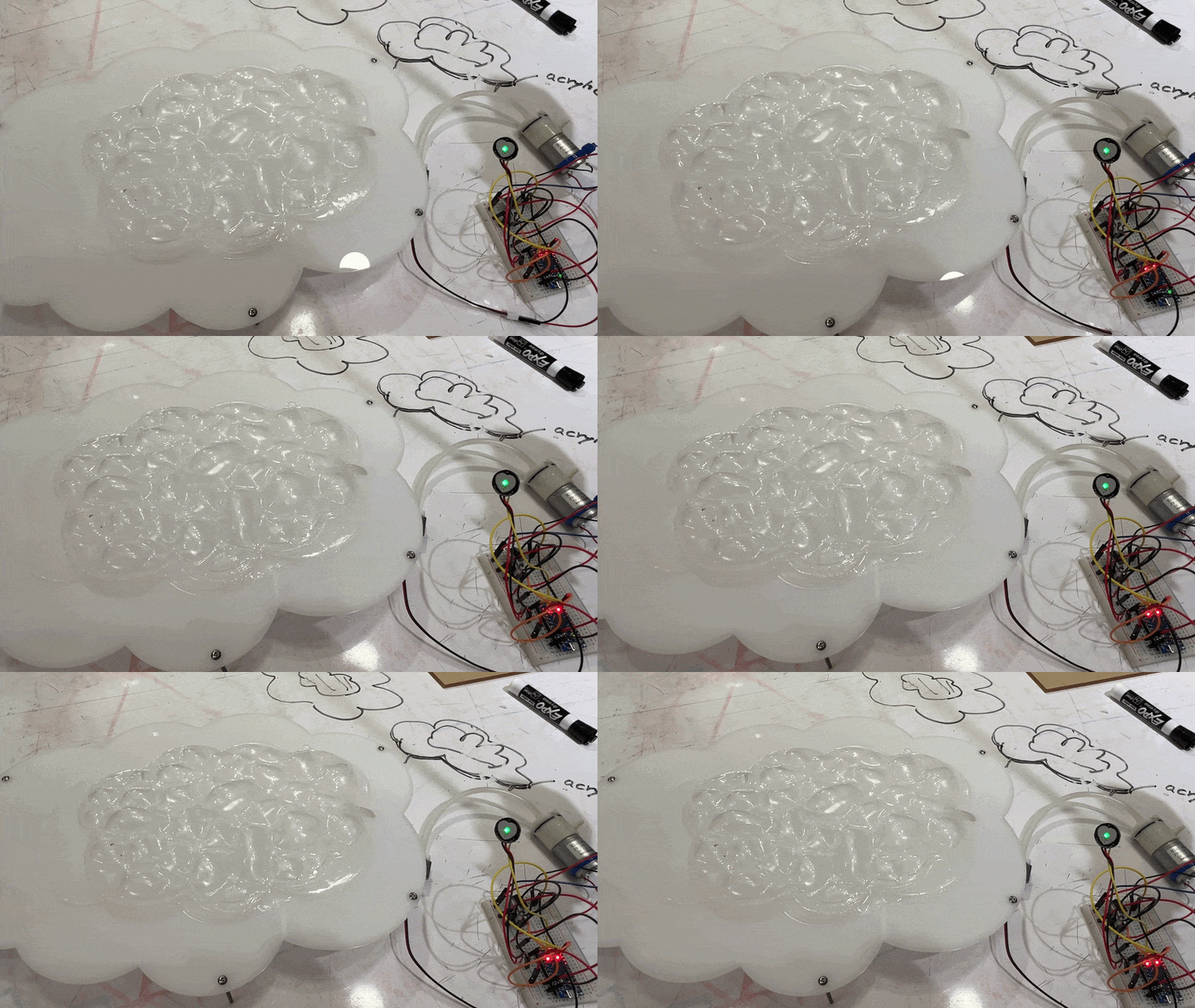
Through testing, we found that the air chambers could not be too large, as bigger chambers inflated unevenly and lost the cloud-like appearance. Repeatedly arranging peanut-shaped forms in a zigzag pattern created more organic and irregular inflation similar to clouds, while aligned rows caused the chambers to merge together and resemble a human brain.
Refining air chamber density and material choice
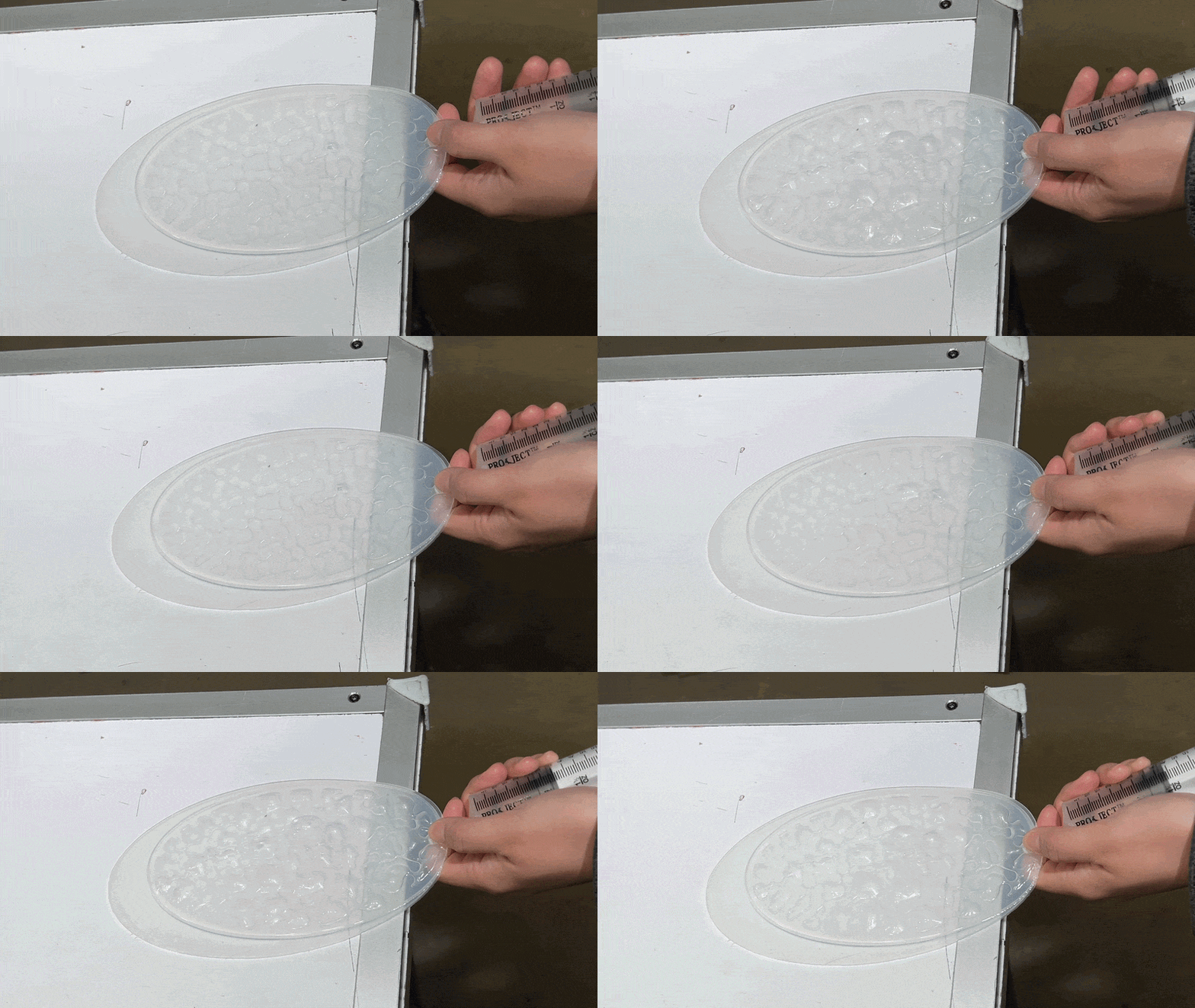
The spacing and placement of the peanut shapes were important in creating organic air chambers. The pattern could not be too dense while still maintaining enough variation to create a cloud-like inflation form. We also found that the air chamber layer needed a soft, stretchable silicone for better inflation, while the base layer benefited from a harder silicone to prevent overstretching.
Improving cloud visibility through material and lighting
Adding white pigment to the silicone made the cloud more visible and significantly more cloud-like compared to transparent silicone. Lighting placement also played an important role, as stronger lighting helped make the inflation more visible through shadows and highlights on the surface. We found that a bright overhead light source produced the clearest visual effect.
Reducing noise and improving installation assembly
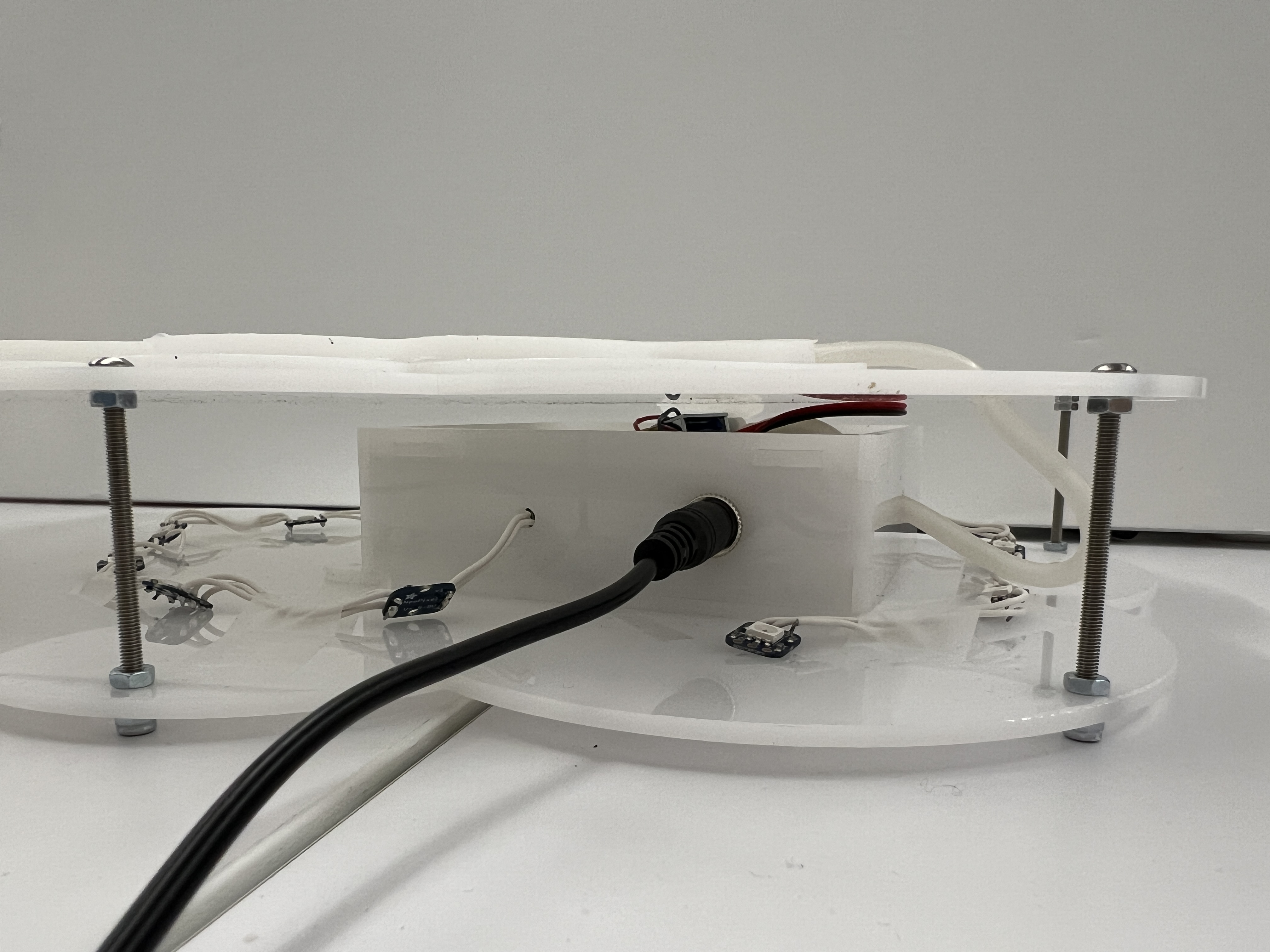
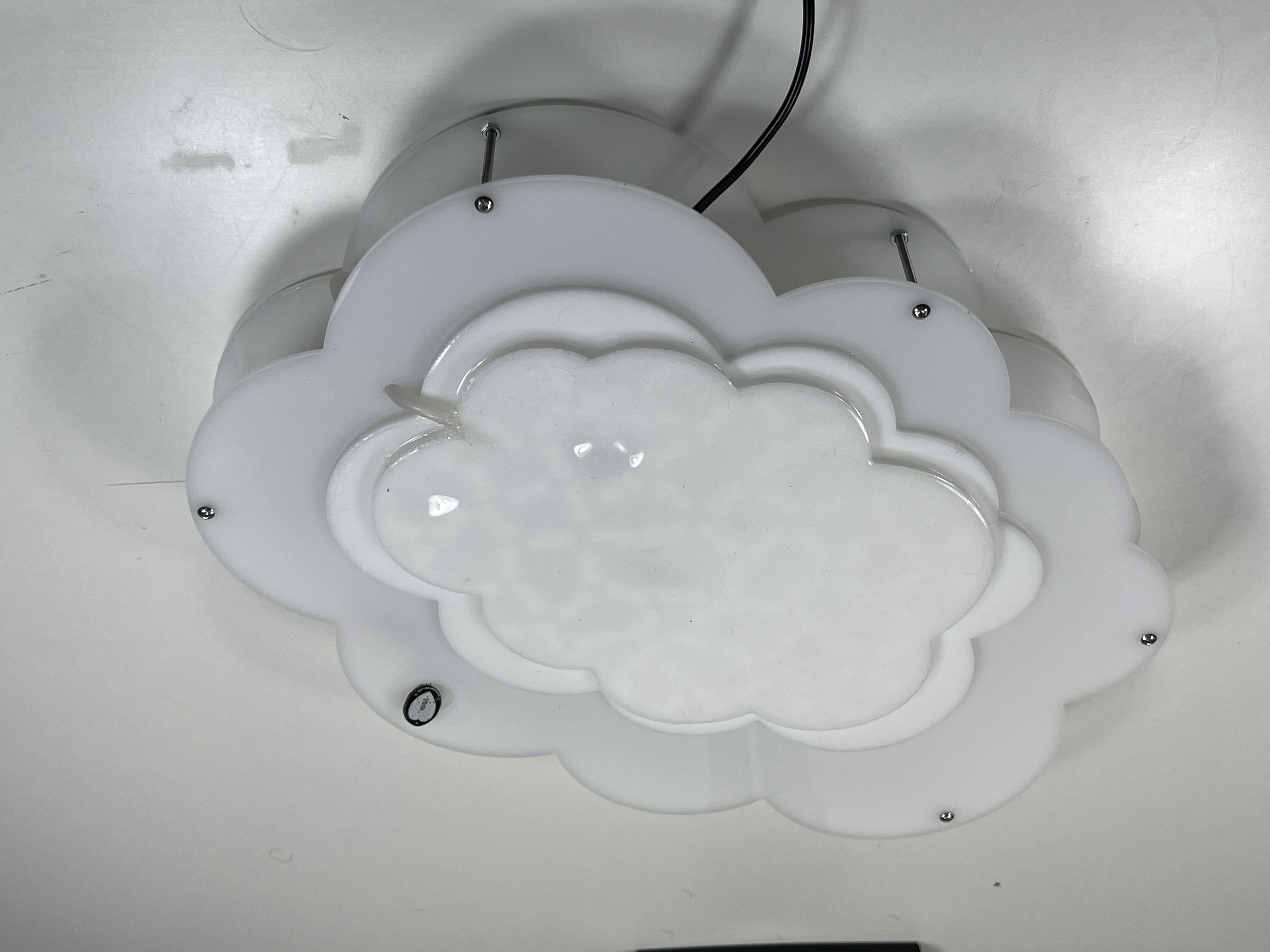
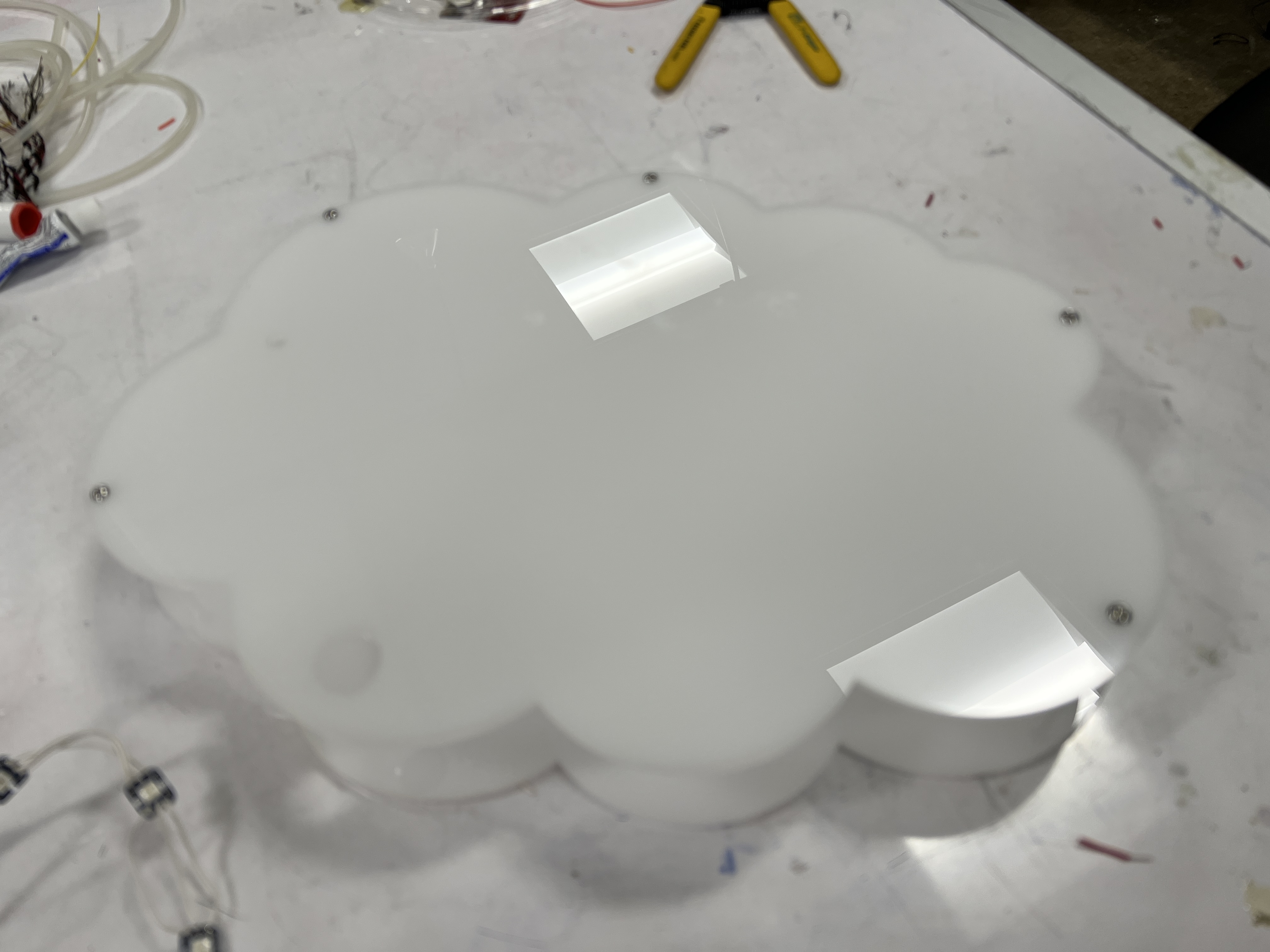
To reduce mechanical noise, we enclosed the air pumps and valves inside a box. We used translucent white acrylic to diffuse the lighting beneath the cloud and added distance between the LEDs and acrylic for softer light diffusion. The pulse sensor was mounted on a separate acrylic layer to reduce noise from the pumps.