concept
Designing embodied interfaces for real-time GenAI
Using a Research through Design approach, this project investigates how people make sense of real-time generative AI across different embodied modalities. Key questions include:
- How do users interpret the relationship between their actions and AI responses?
- Is the AI experienced as a tool, collaborator, or unpredictable partner?
- How do participants develop strategies through play, exploration, or control?
- How do different modalities shape expressiveness, predictability, and engagement?
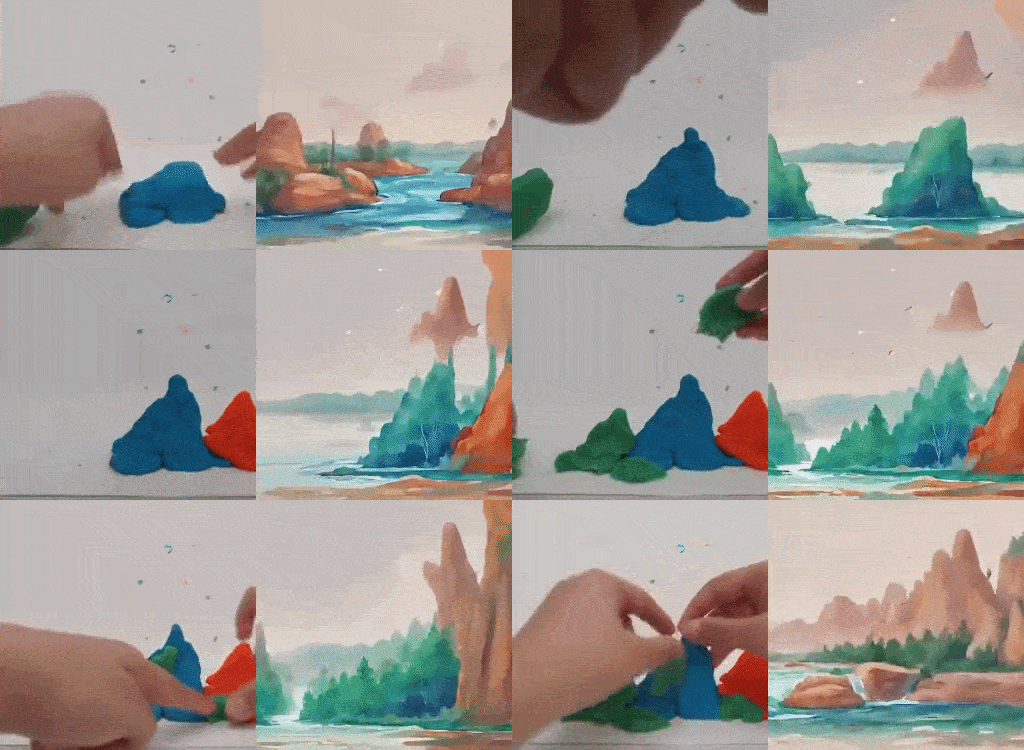
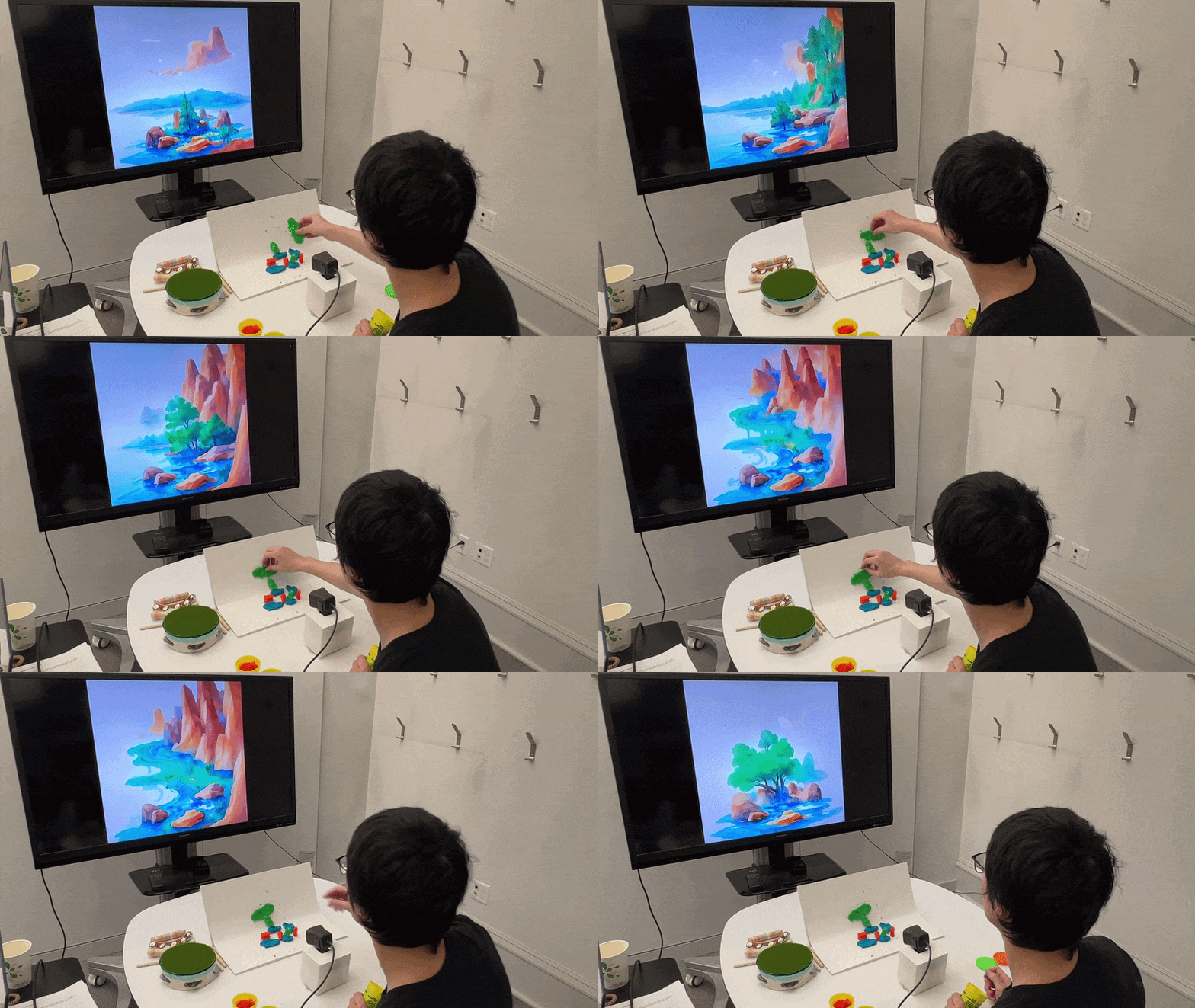
Tangible: clay-based terrain building
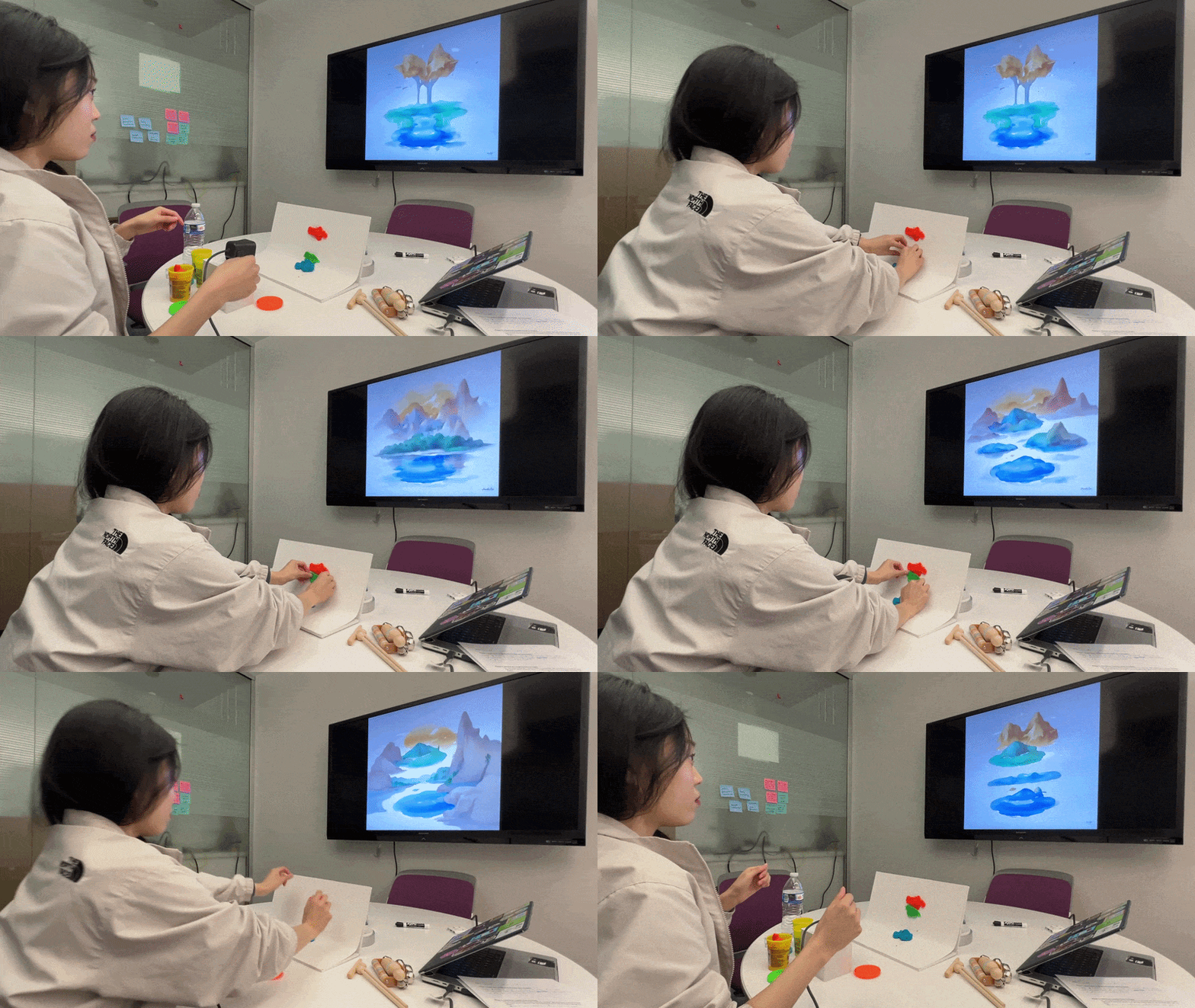
Participants sculpt with colored clay on a tabletop, where the system analyzes color, shape, height, and spatial arrangement to generate evolving AI landscapes such as mountains, vegetation, and bodies of water.
Auditory: sound-based generation
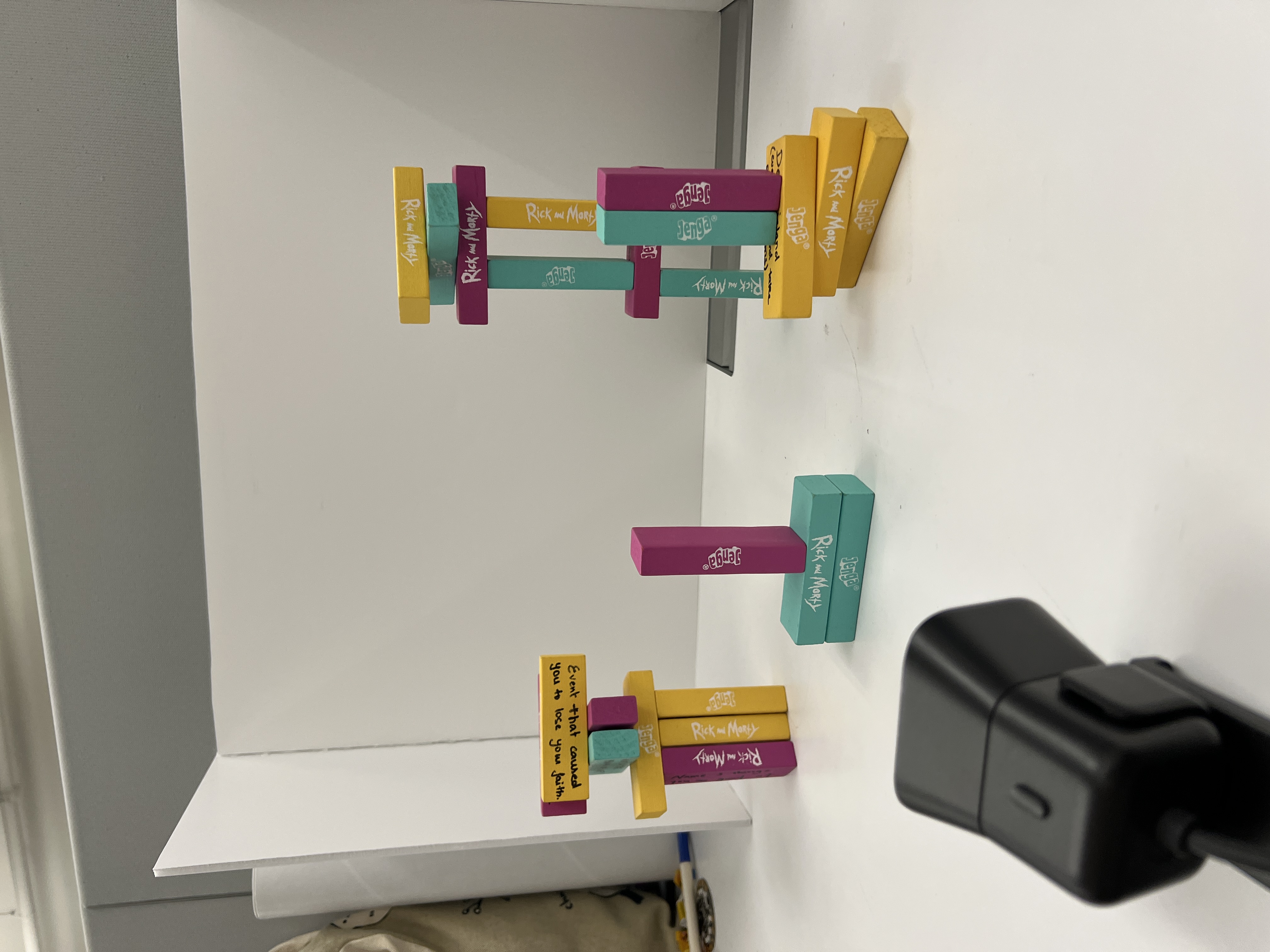
Participants use musical instruments and sound to influence the AI-generated environment, where variations in pitch, rhythm, and tempo transform elemental qualities such as earth, water, and fire within the scene.

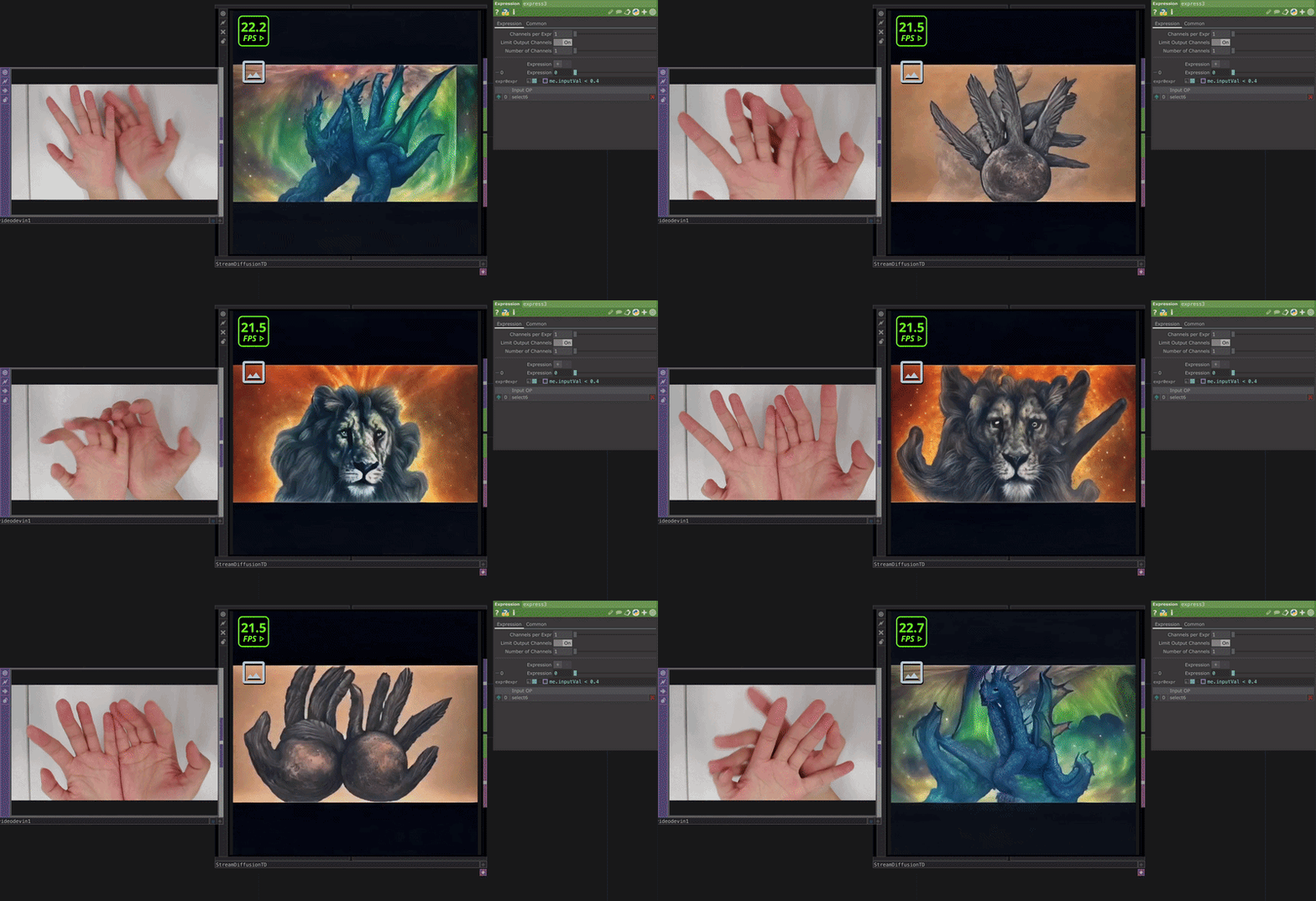
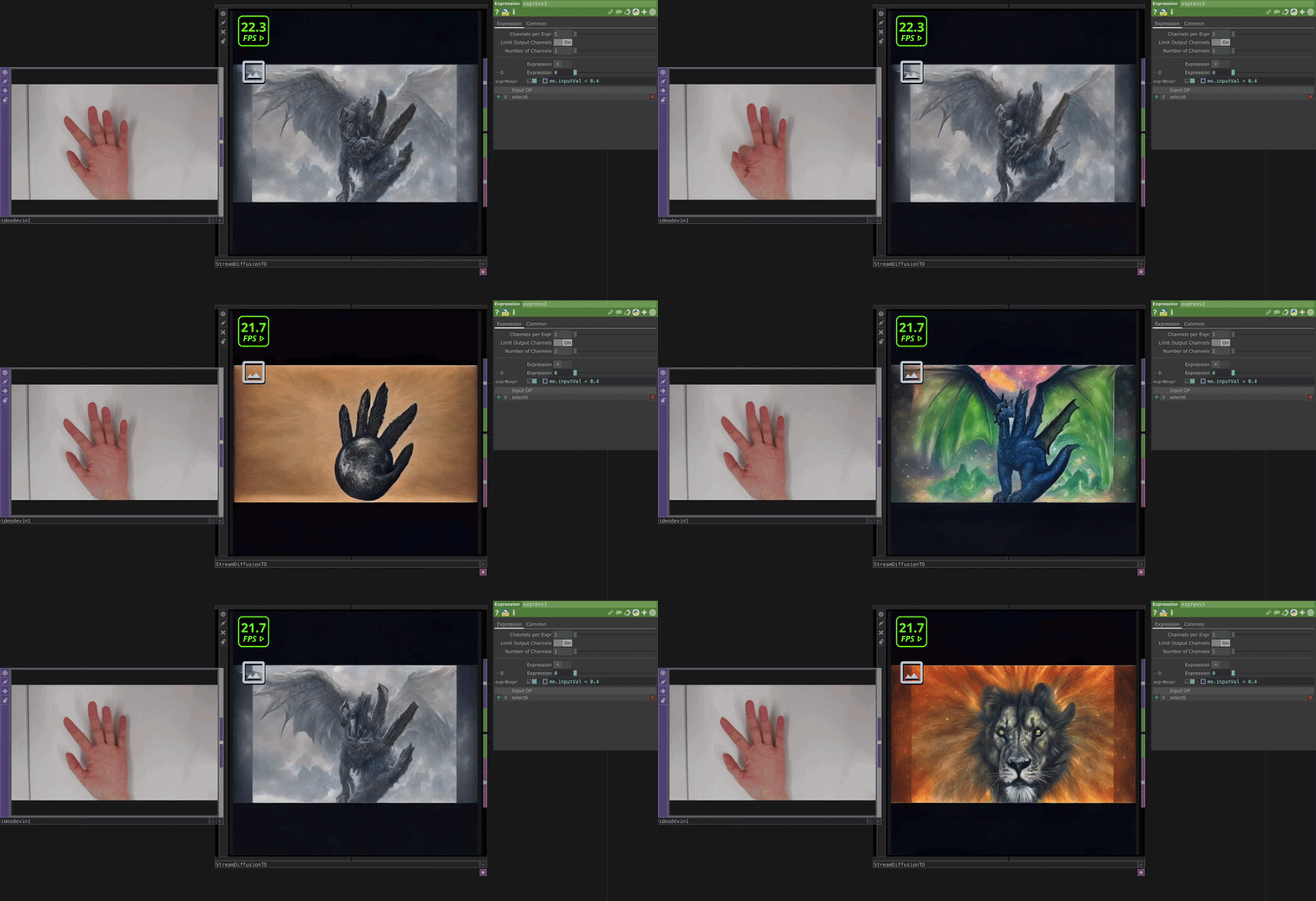
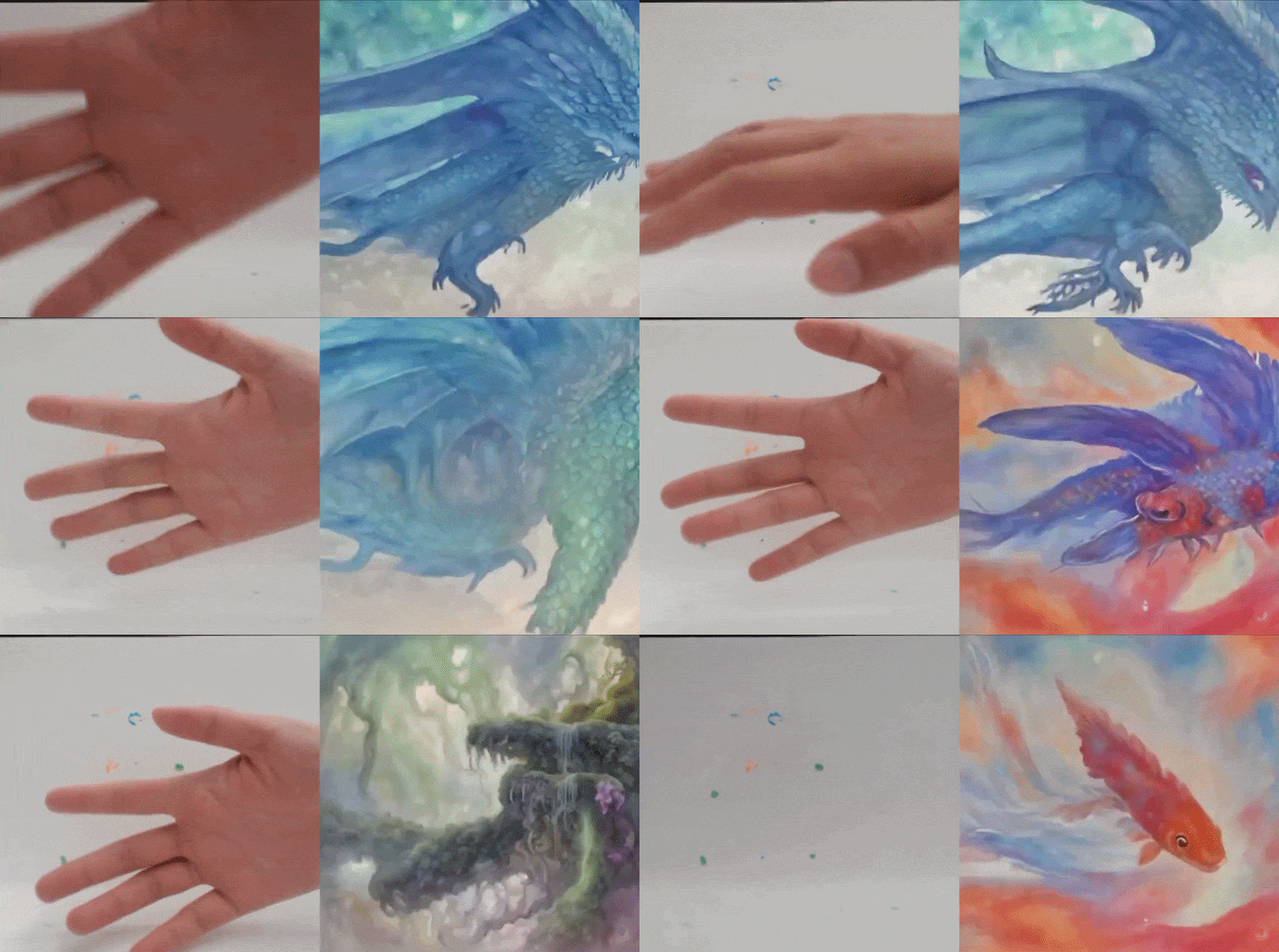
Gestural: hand-tracked creatures
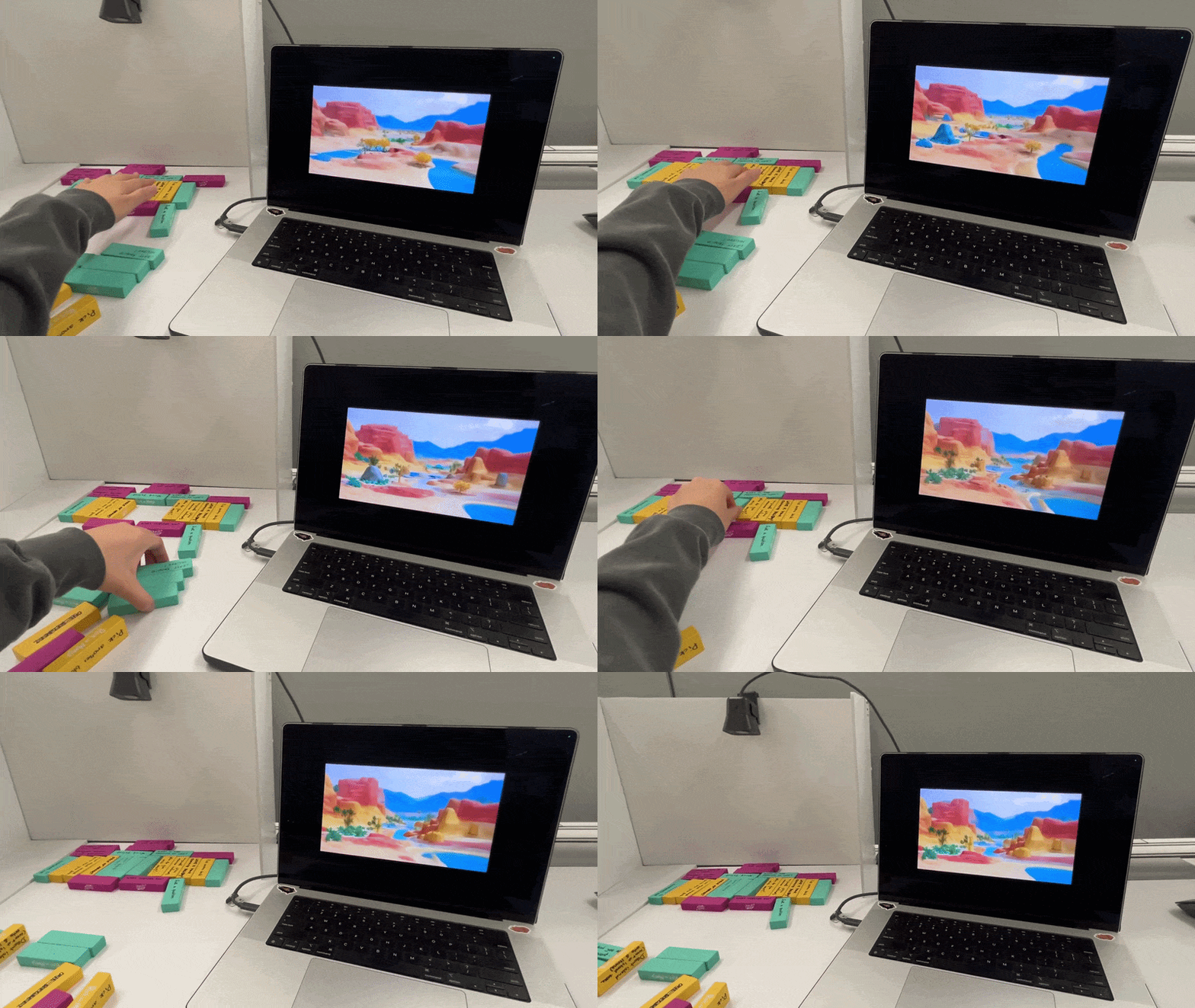
A webcam tracks hand gestures to generate mythical creatures in different ways based on participants’ movements. Different finger represents a different creature type or characteristic.
.gif)