16 Weeks / 2025
Community Threads
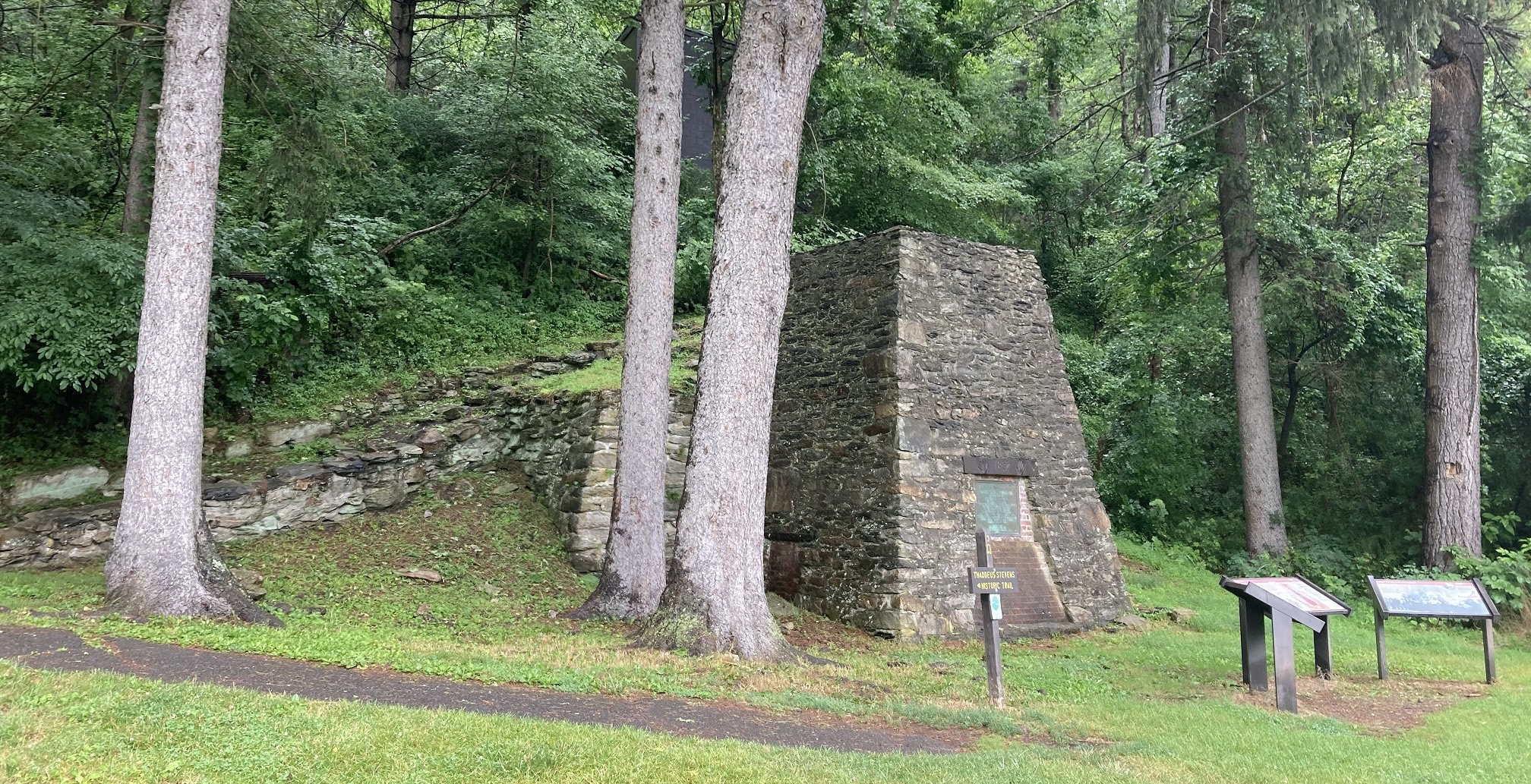
The Laurel Hill Settlement holds rich histories, but these stories remain unfamiliar to the public. We designed a hands-on quilt-based experience that helps visitors learn these stories through the context of the Underground Railroad.
Role
Experience Design
Prototyping
Visual Design
Animation
Team
Ivy Huang
Alexis Morrell
tools
Figma
Teachable Machine
v0
After Effect
challenge
Translating fragile histories into public experience
The Western Pennsylvania Conservancy (WPC) stewards the Laurel Hill Settlement, a site known mainly through fragile oral histories. The challenge was to translate these partial, sensitive stories into an accessible experience that honors community memory while engaging broader audiences.
community threads
A participatory quilt storytelling experience

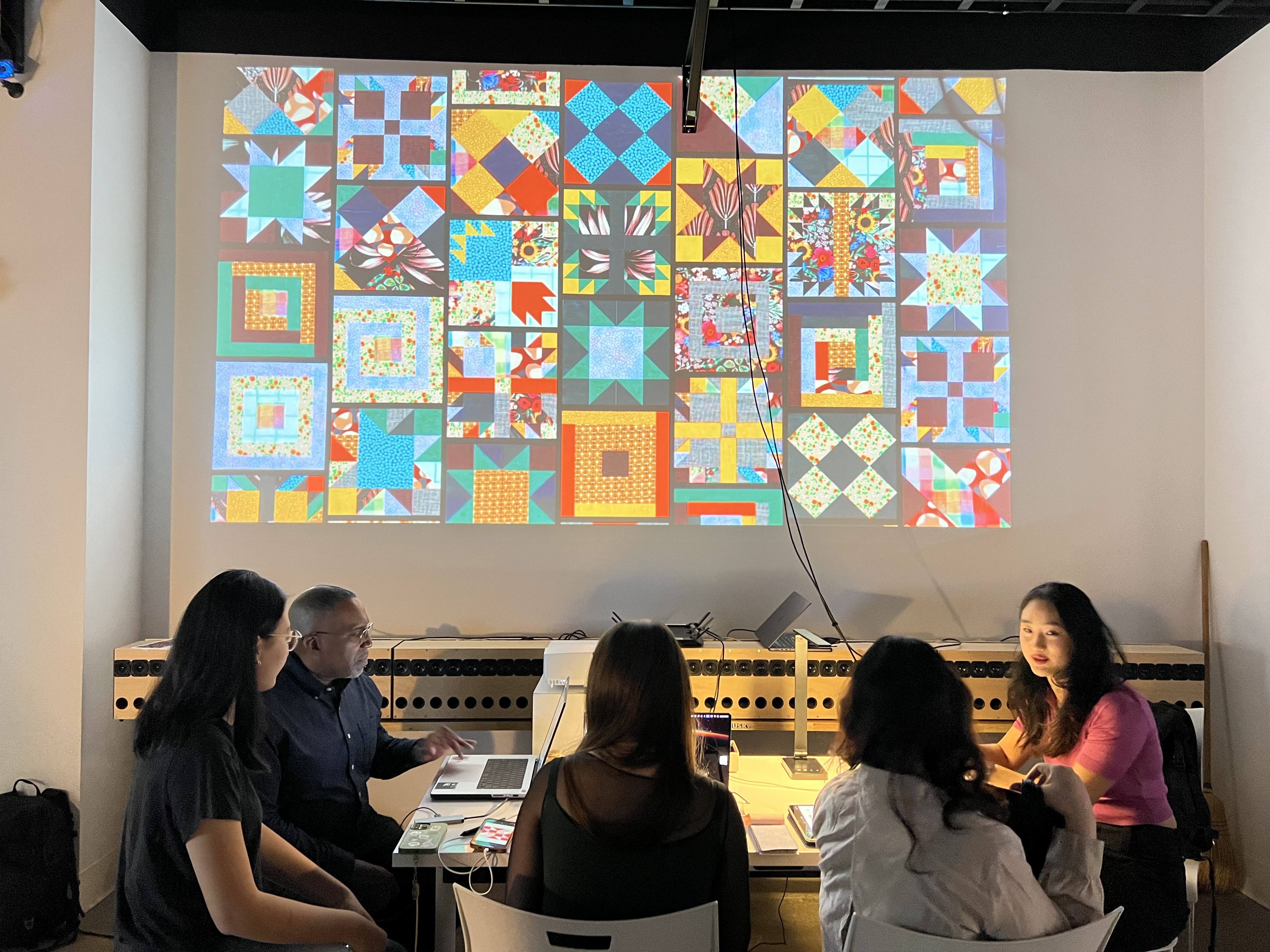
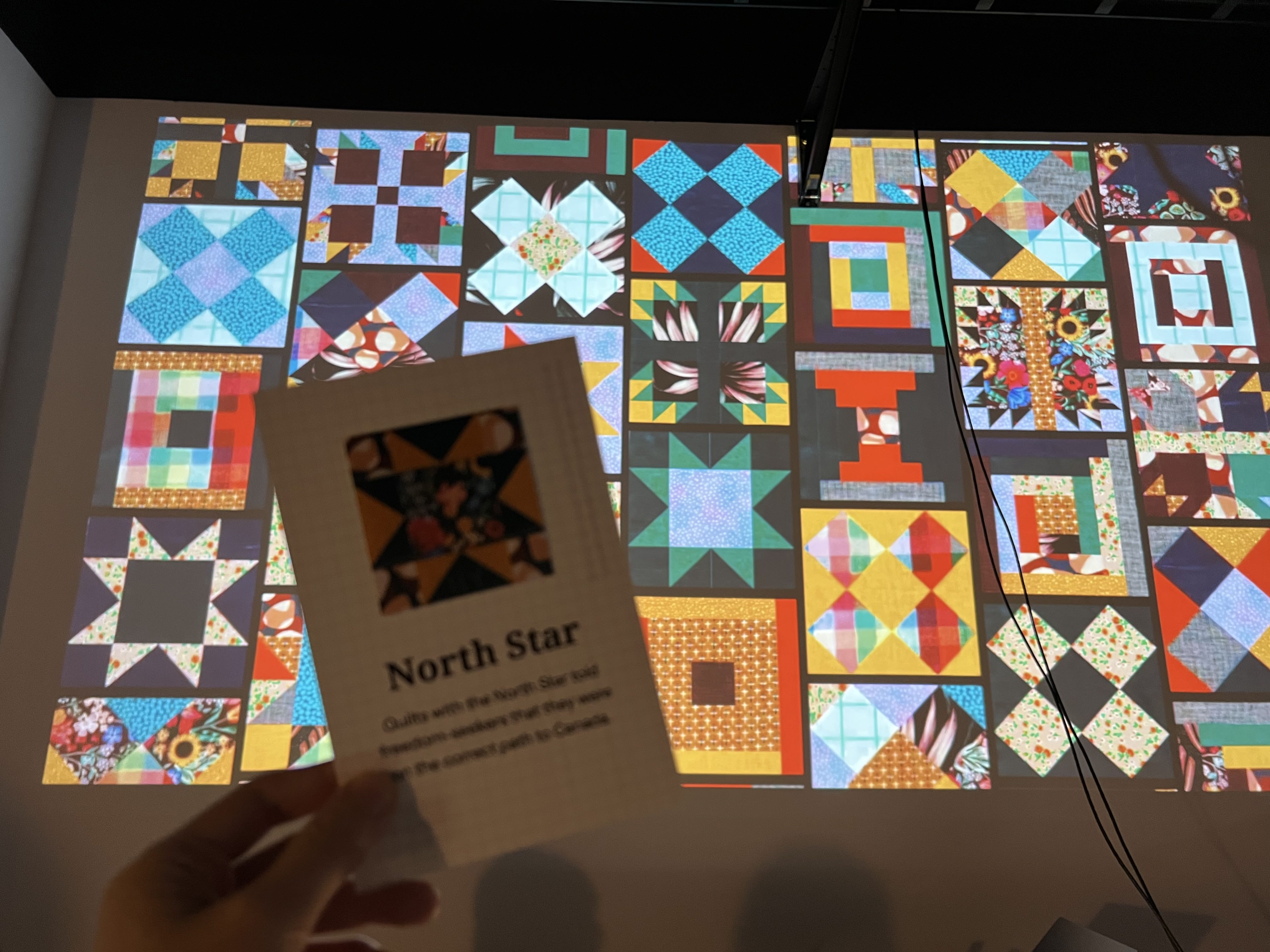
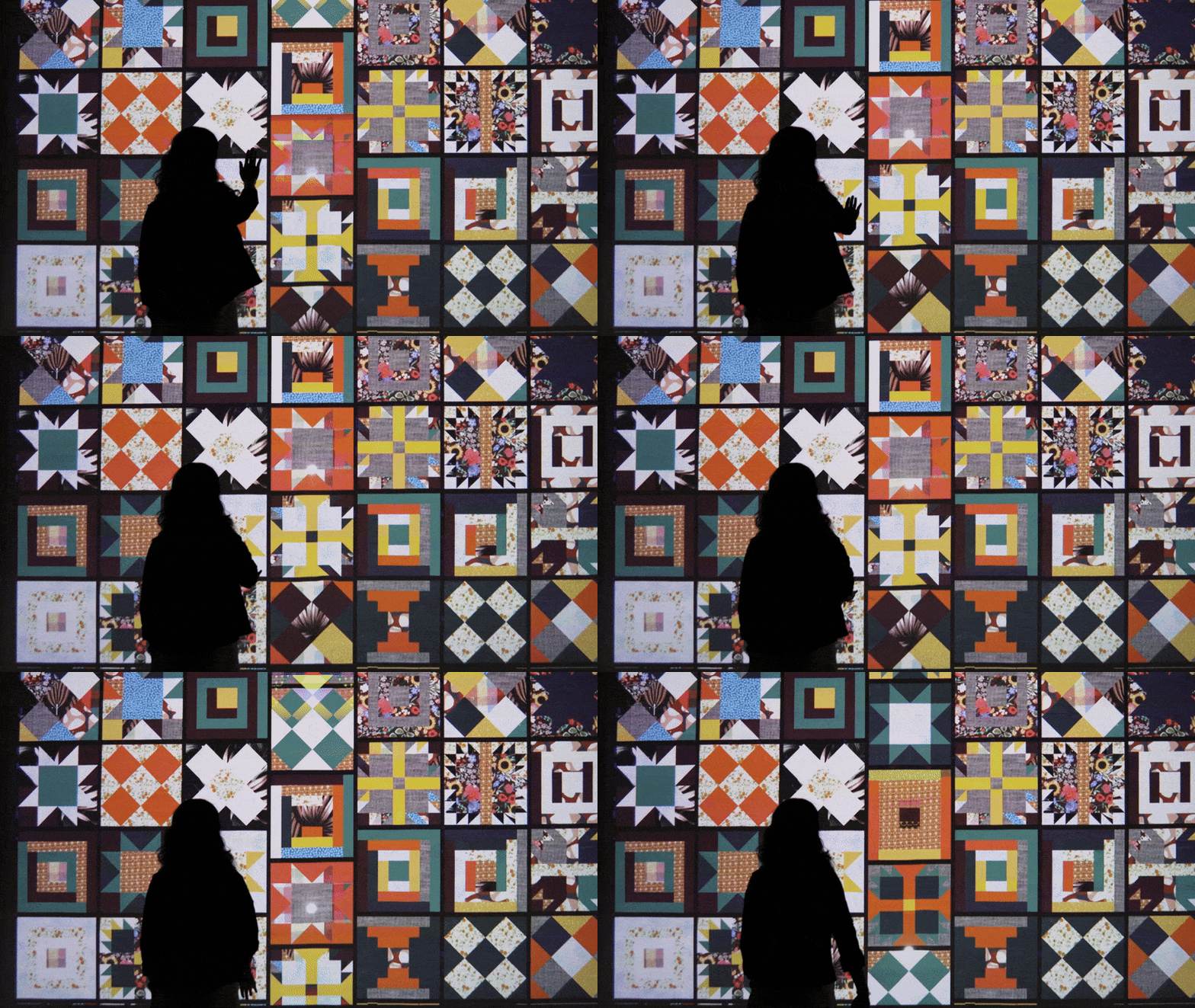
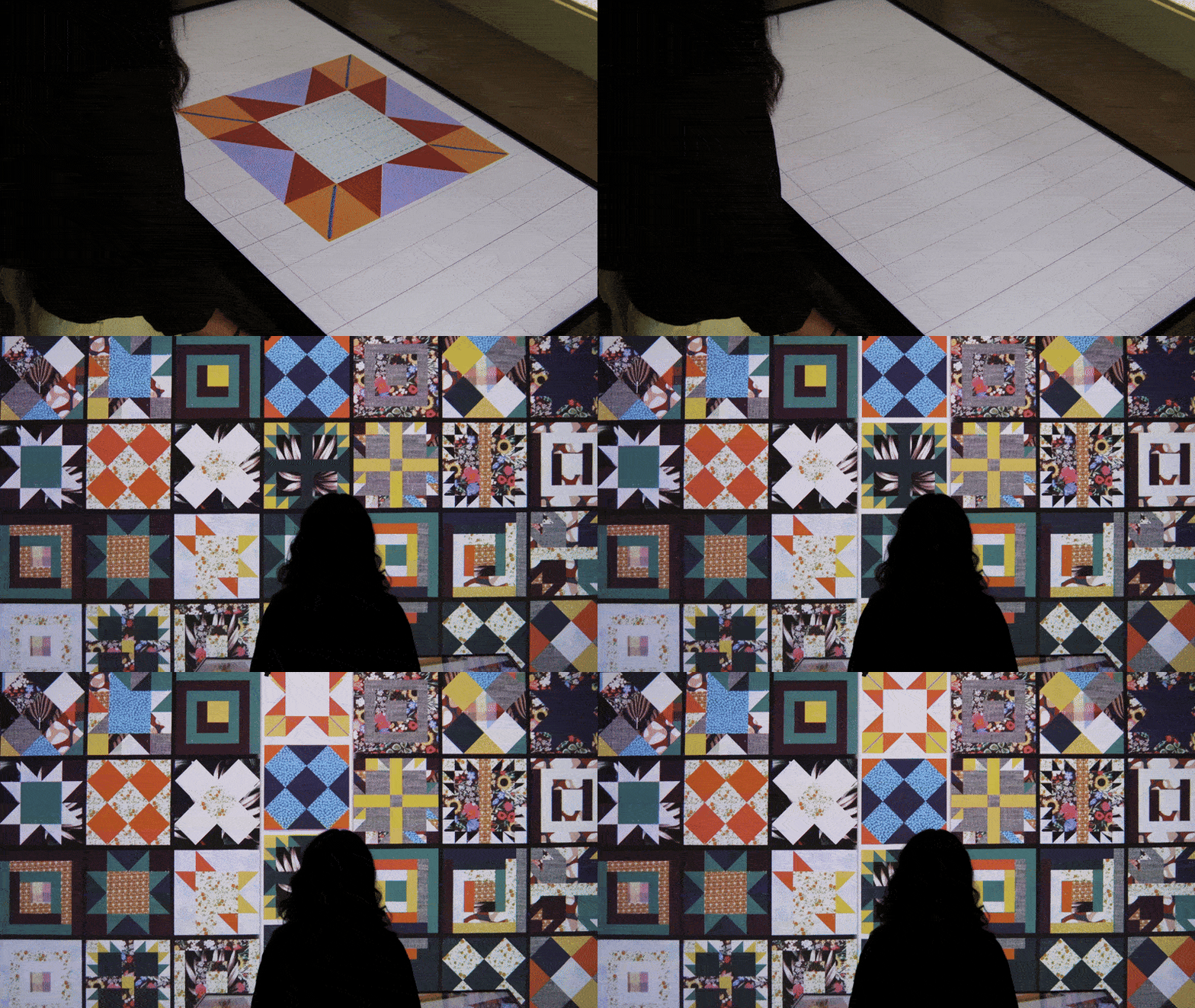
1. Gesture-activated community quilt wall
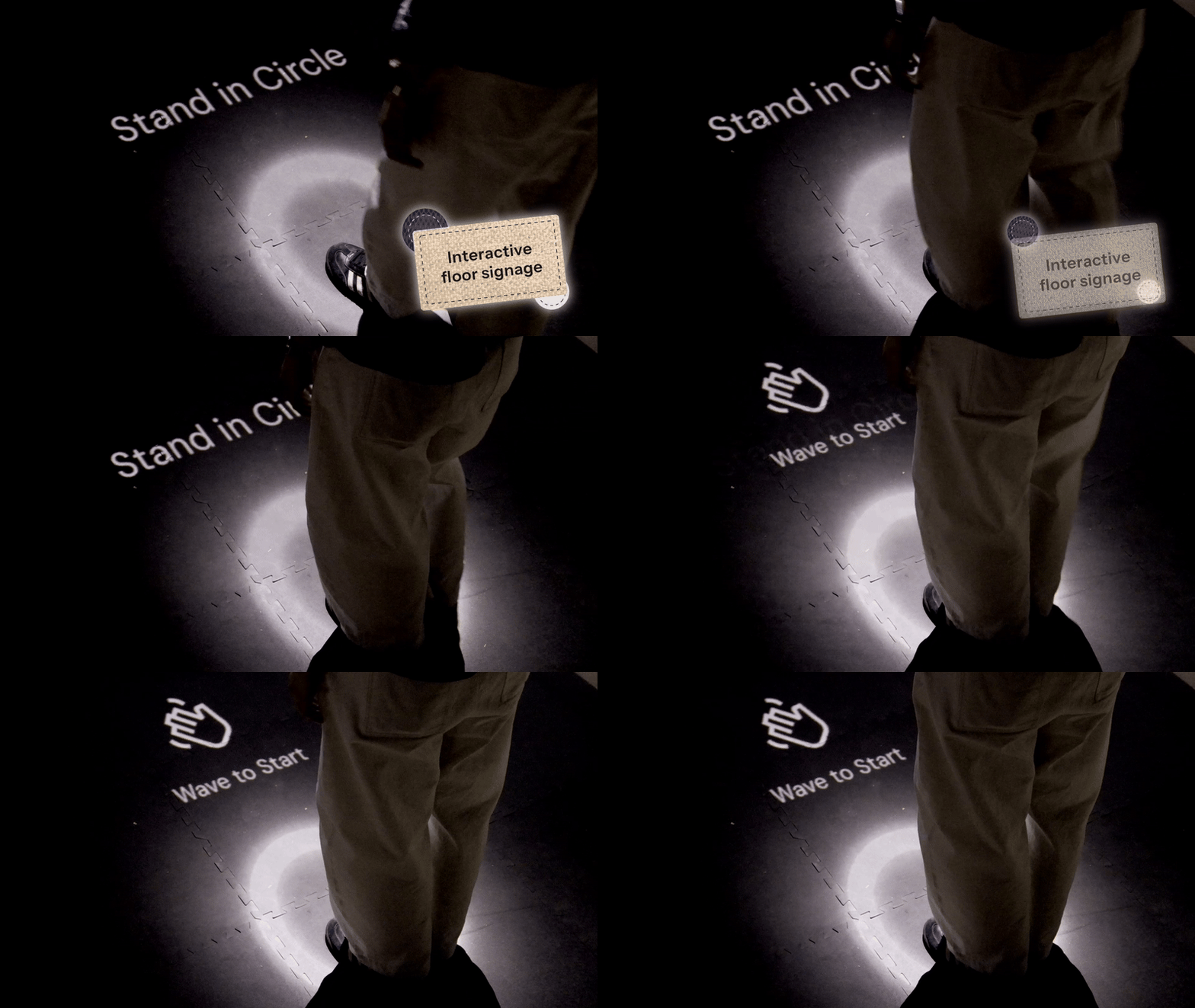
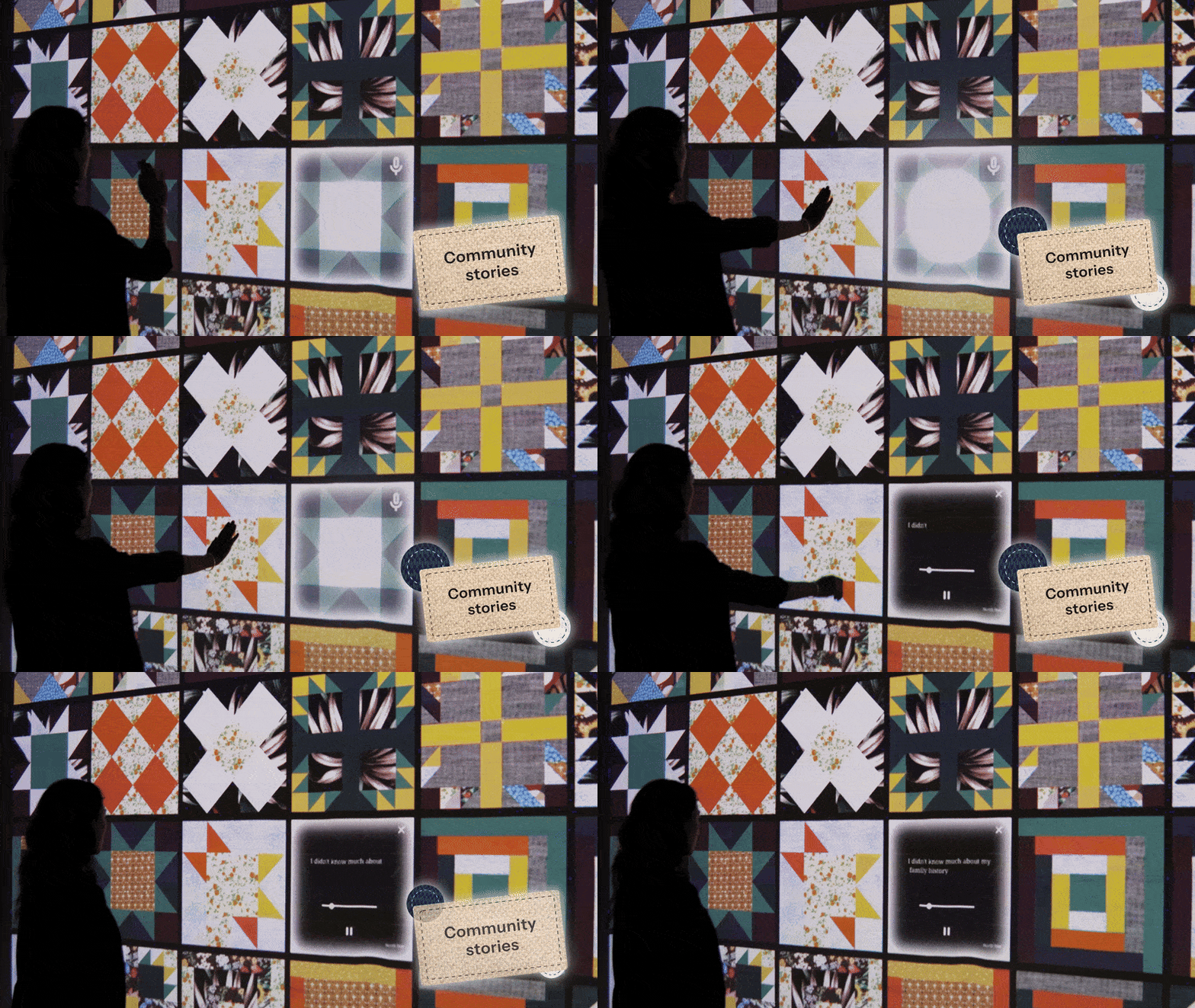
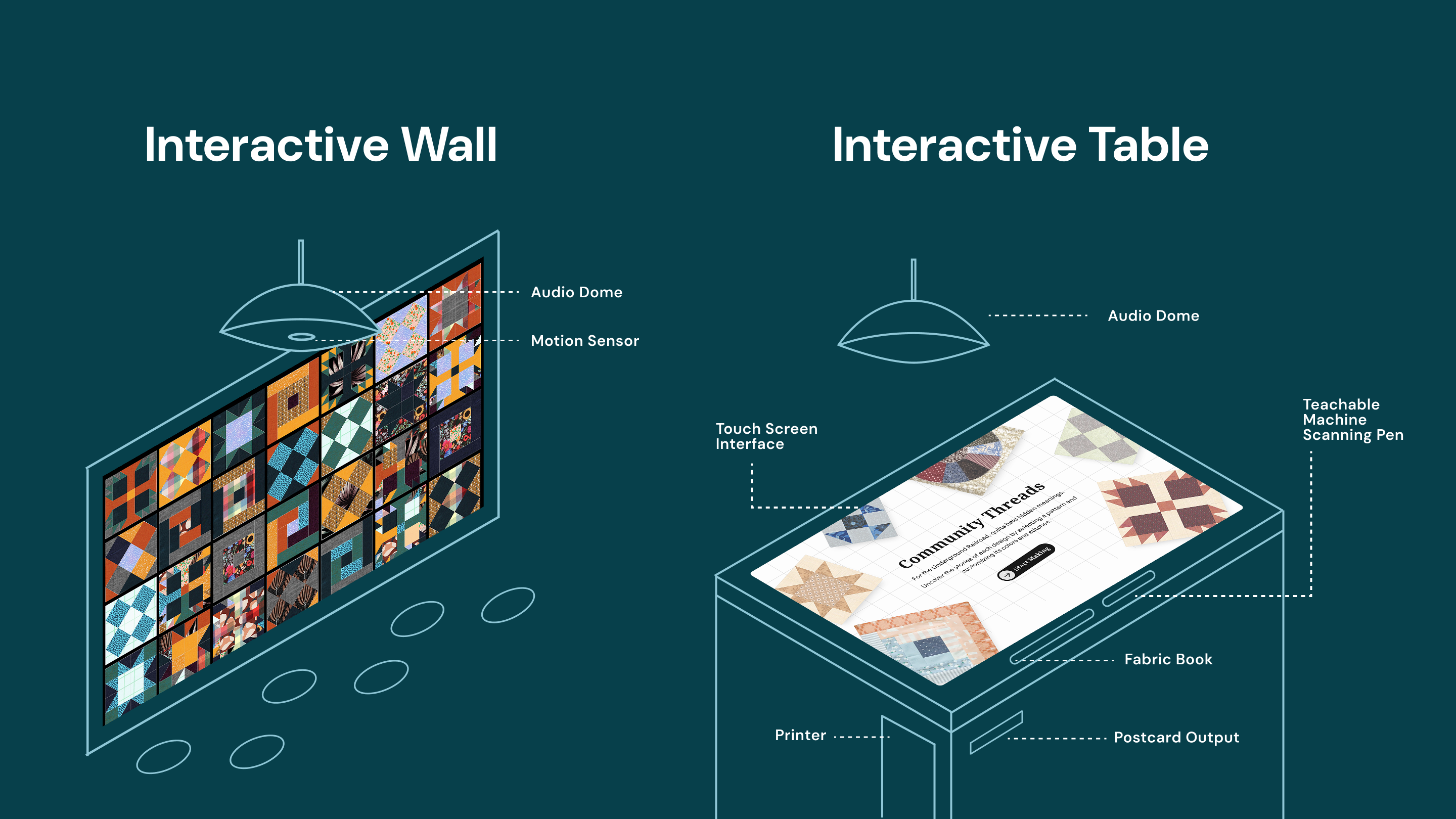
Visitors are guided by subtle signage toward a large quilt wall. As visitors move closer, community voices and narratives emerge, inviting exploration through embodied interaction.
2. Discover your quilt pattern
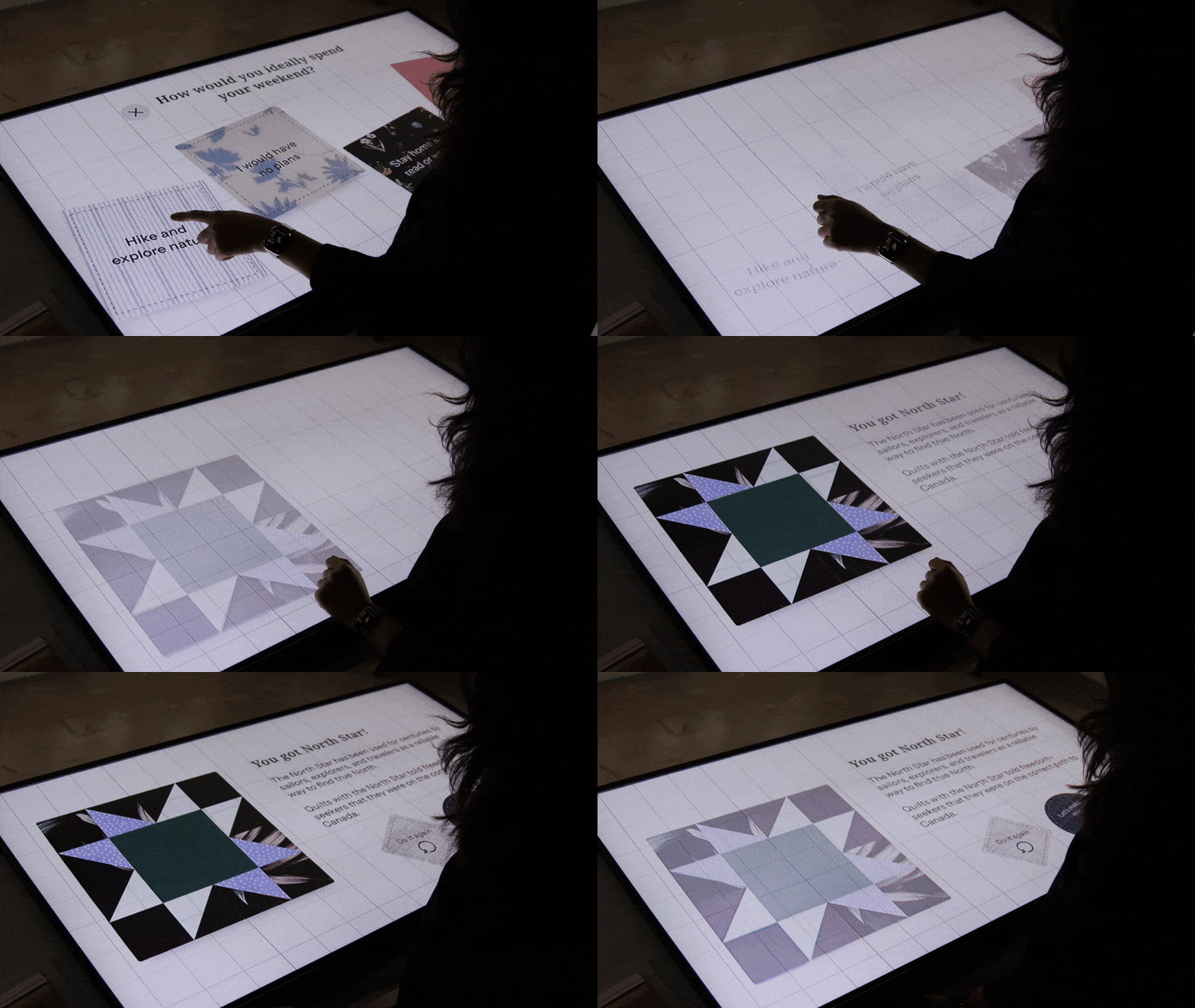
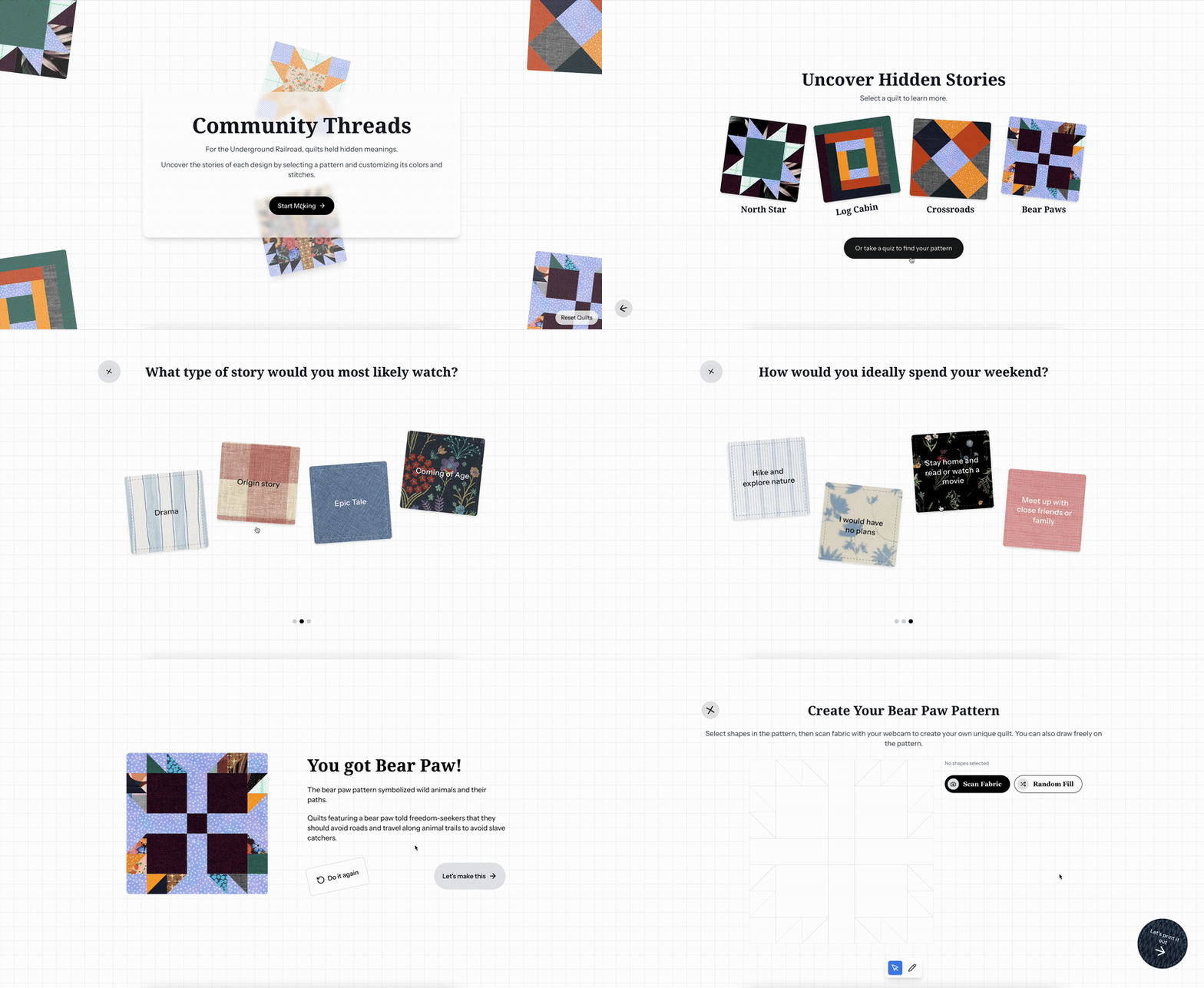
At interactive tables, visitors take a short quiz to discover a quilt pattern that reflects them, creating a personal connection to the symbolic language of Underground Railroad quilts.
3. Quilt pattern customization
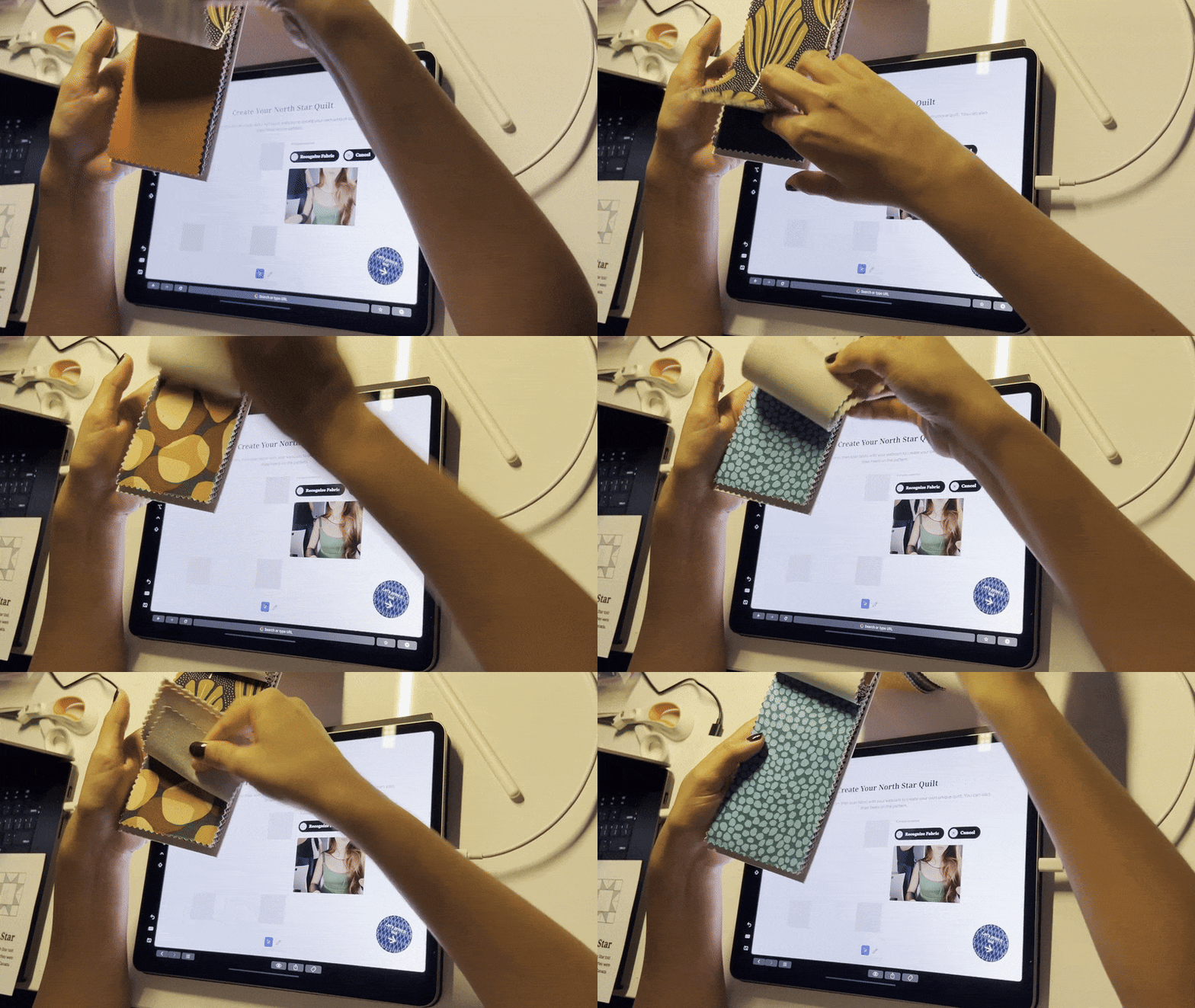
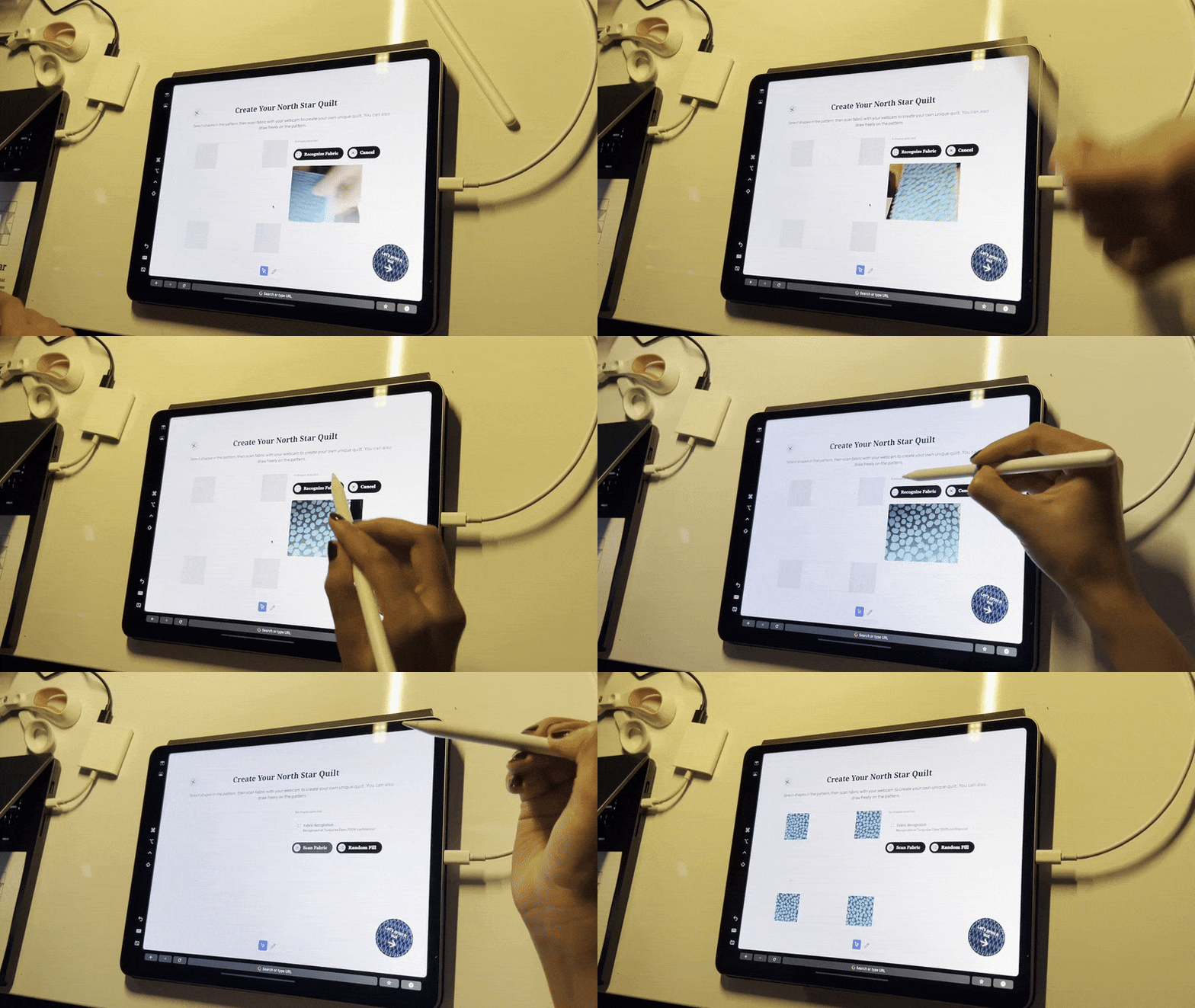
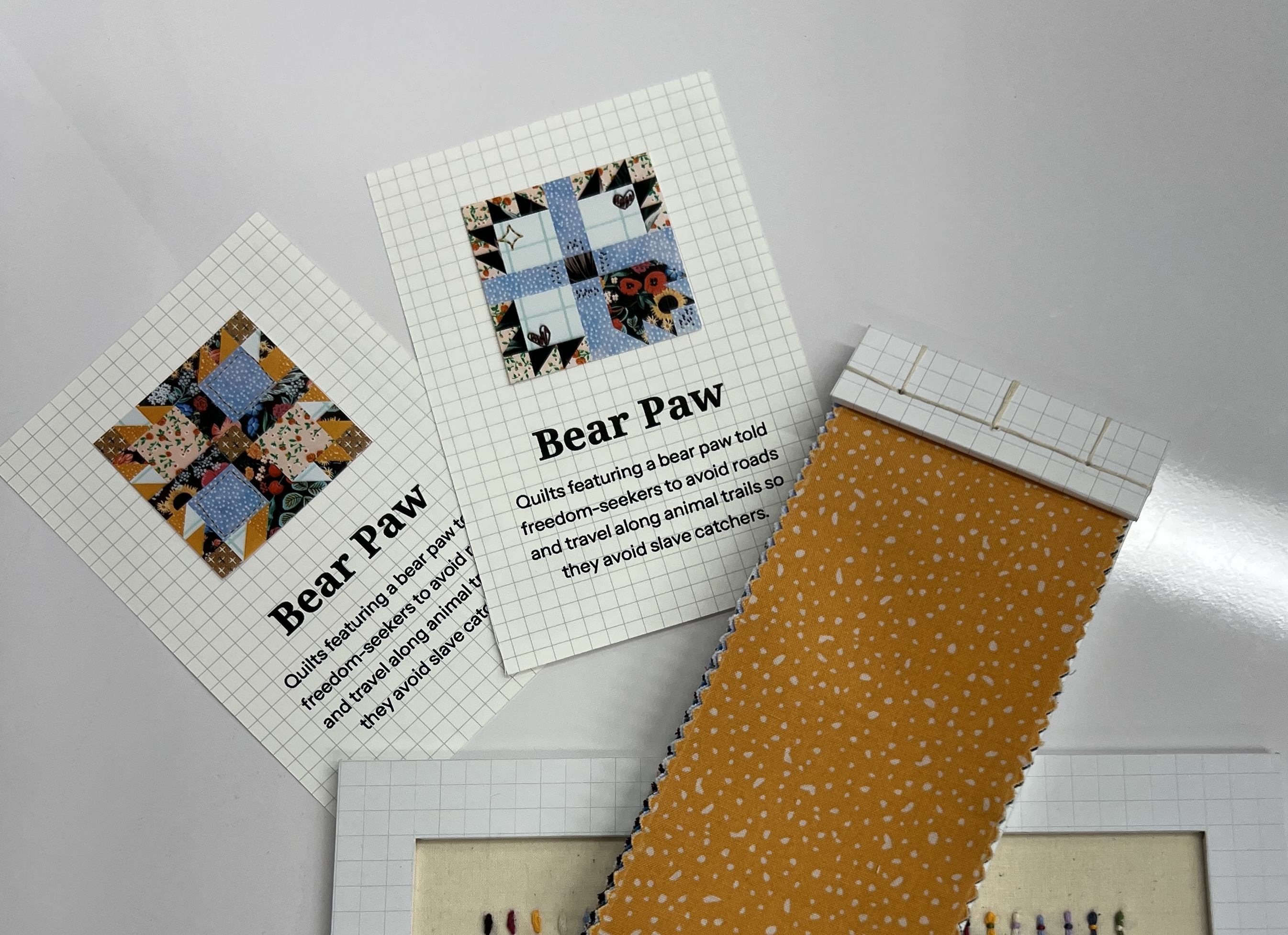
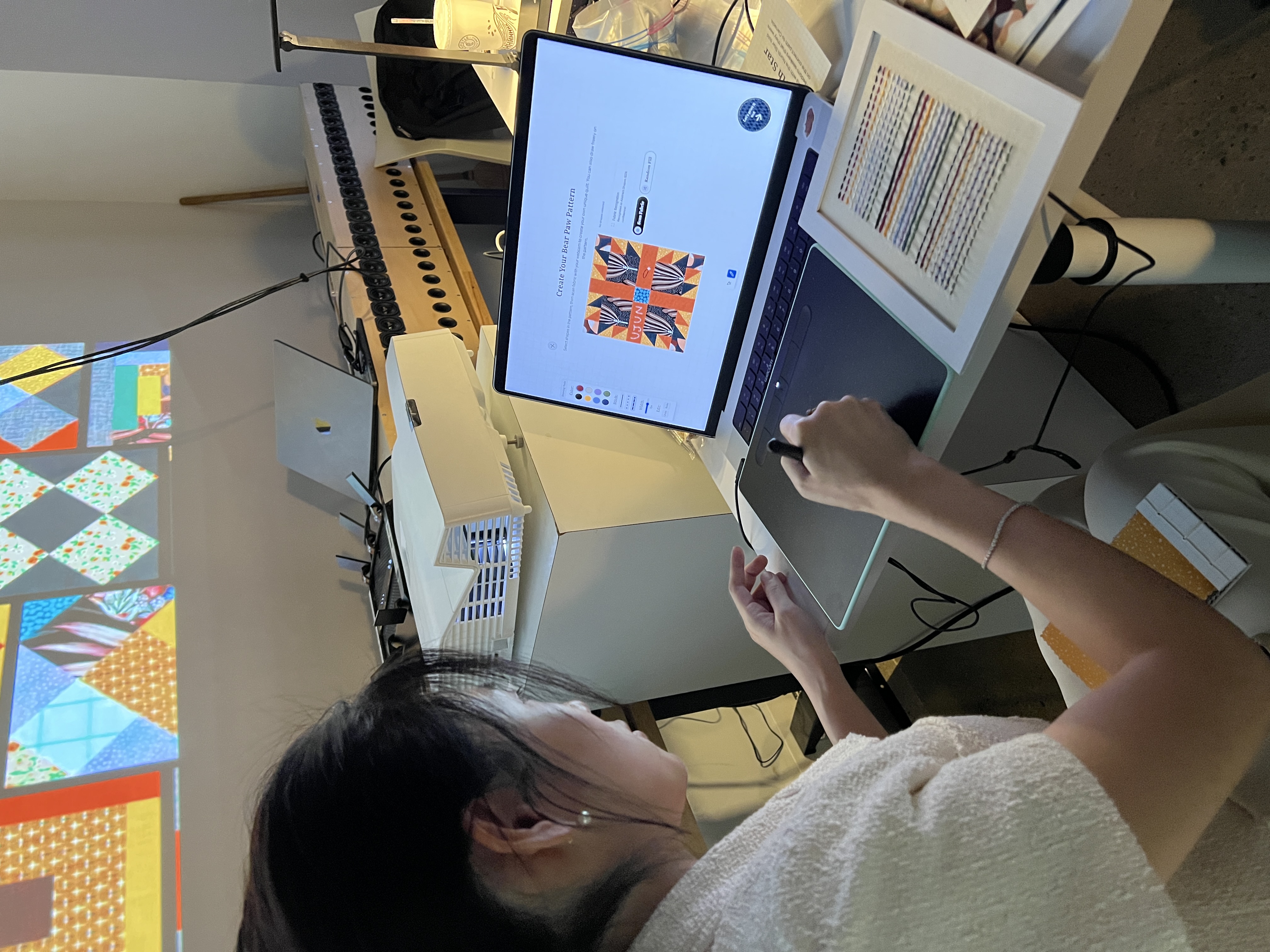
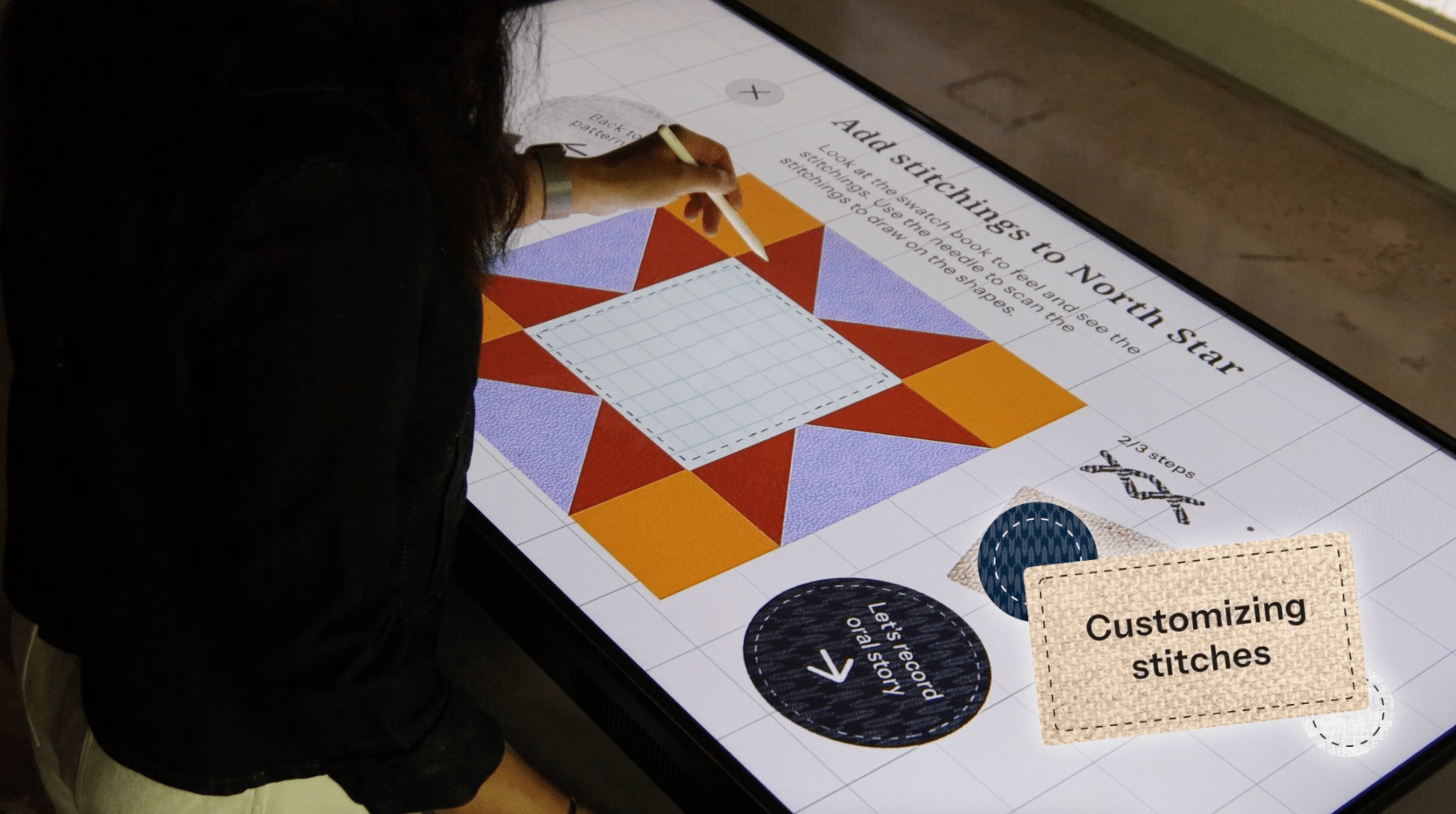
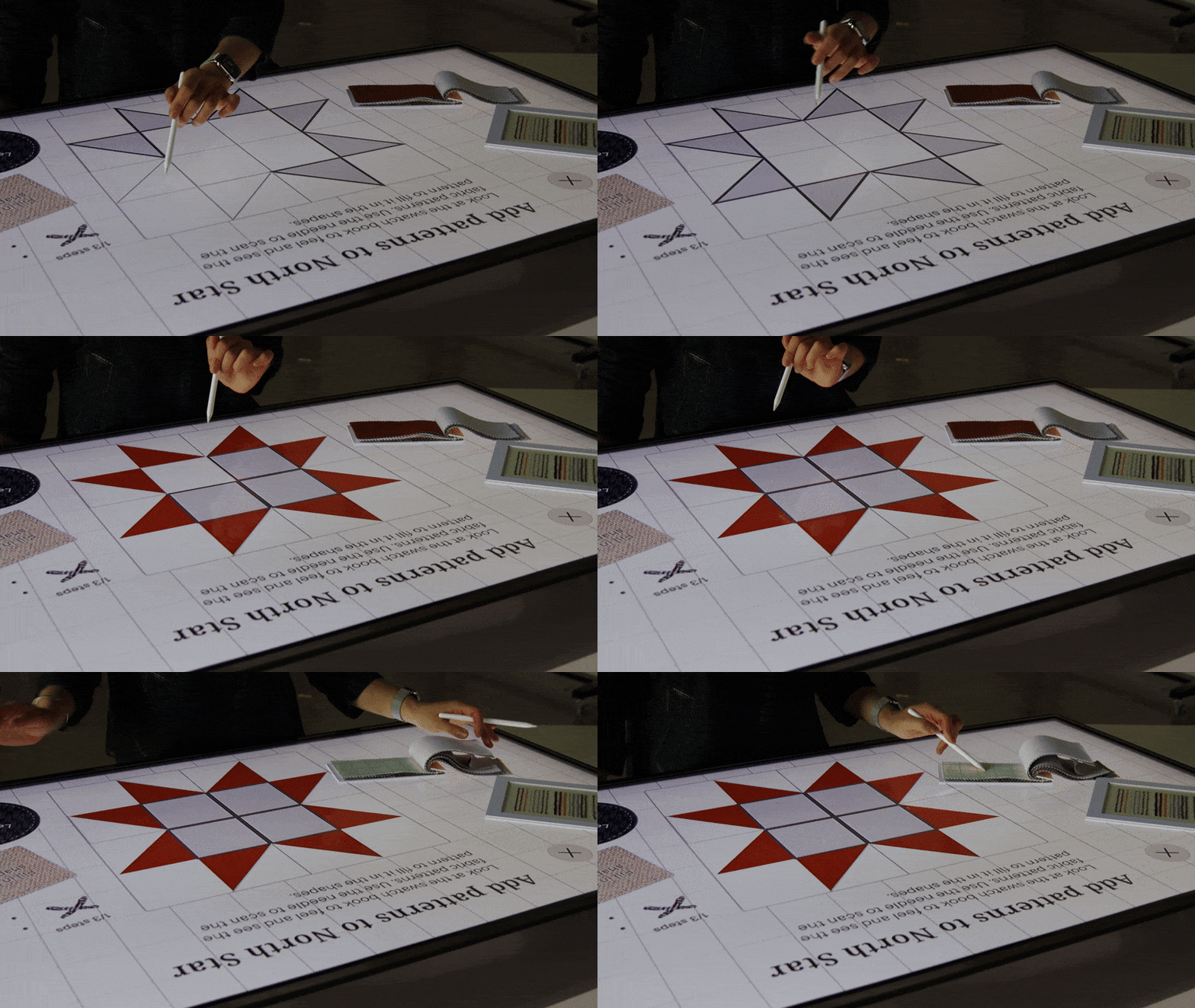
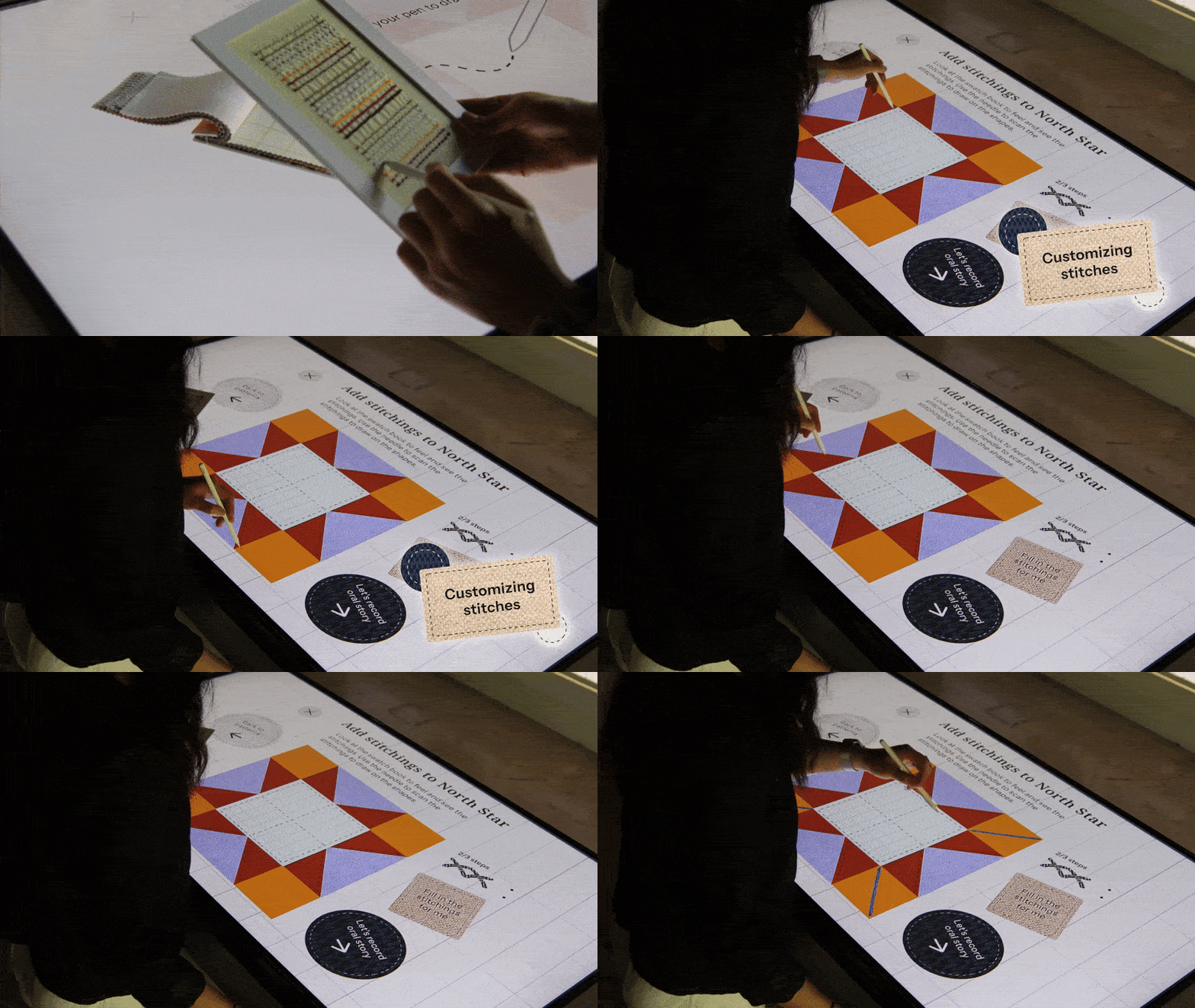
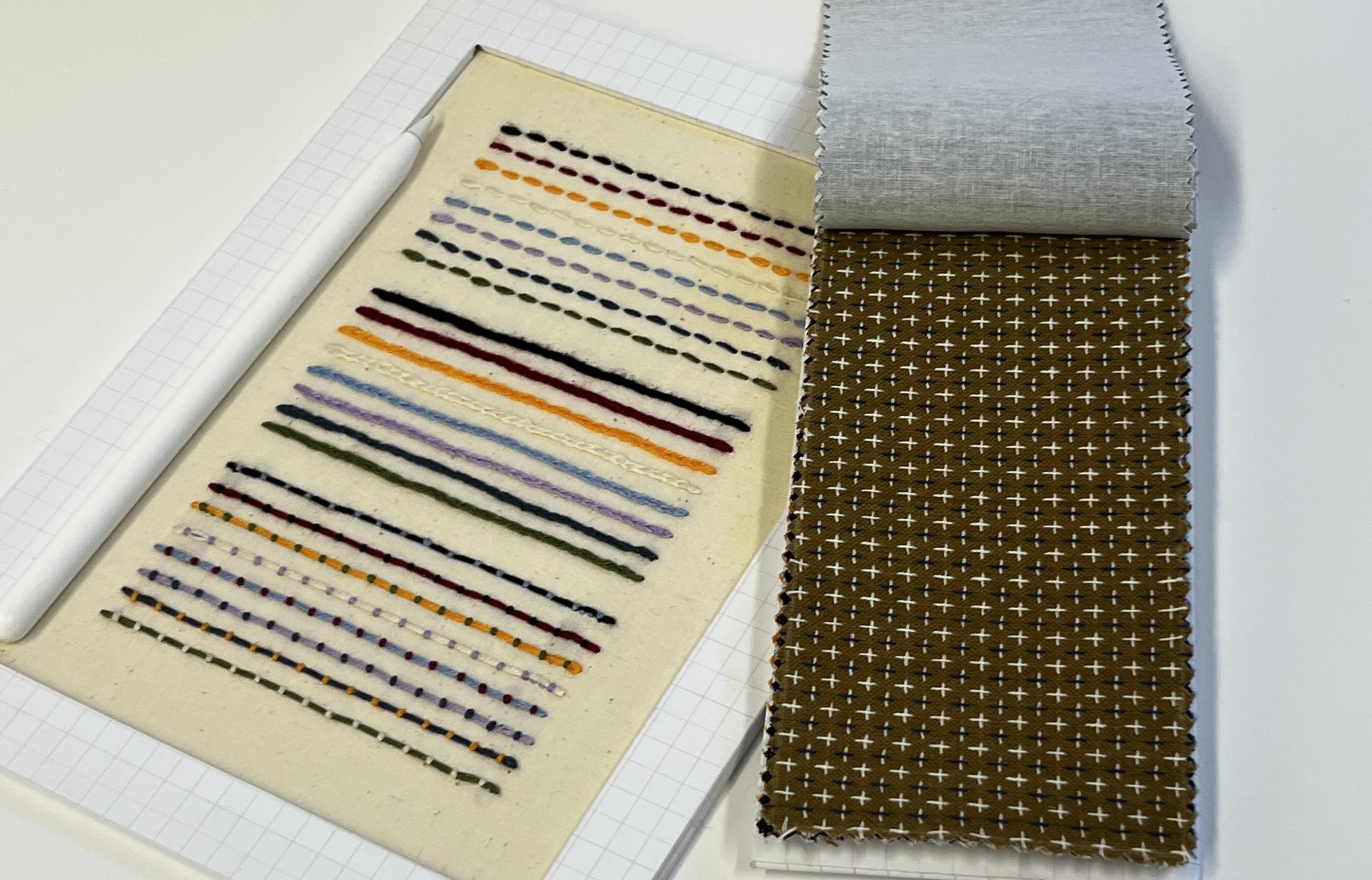
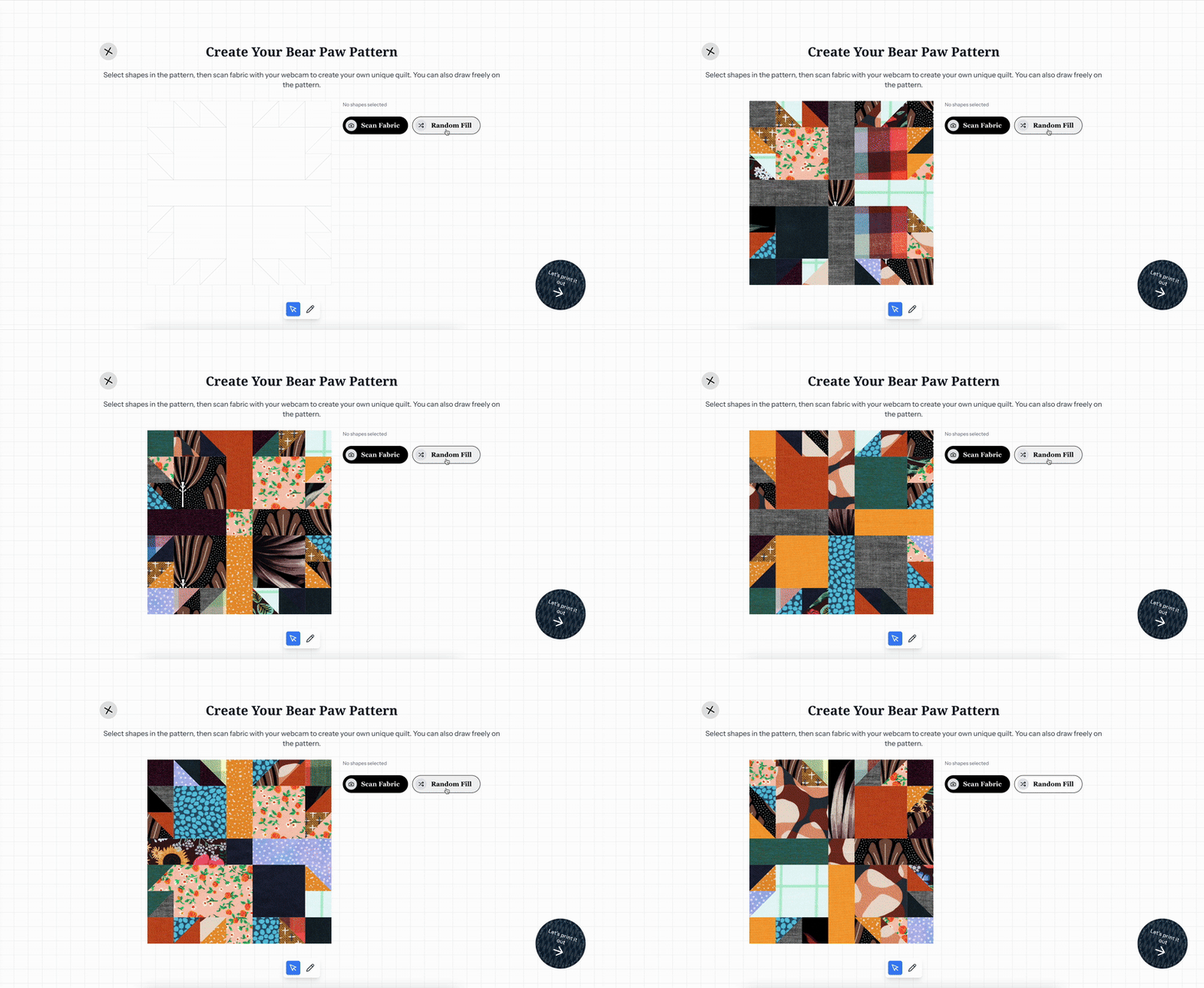
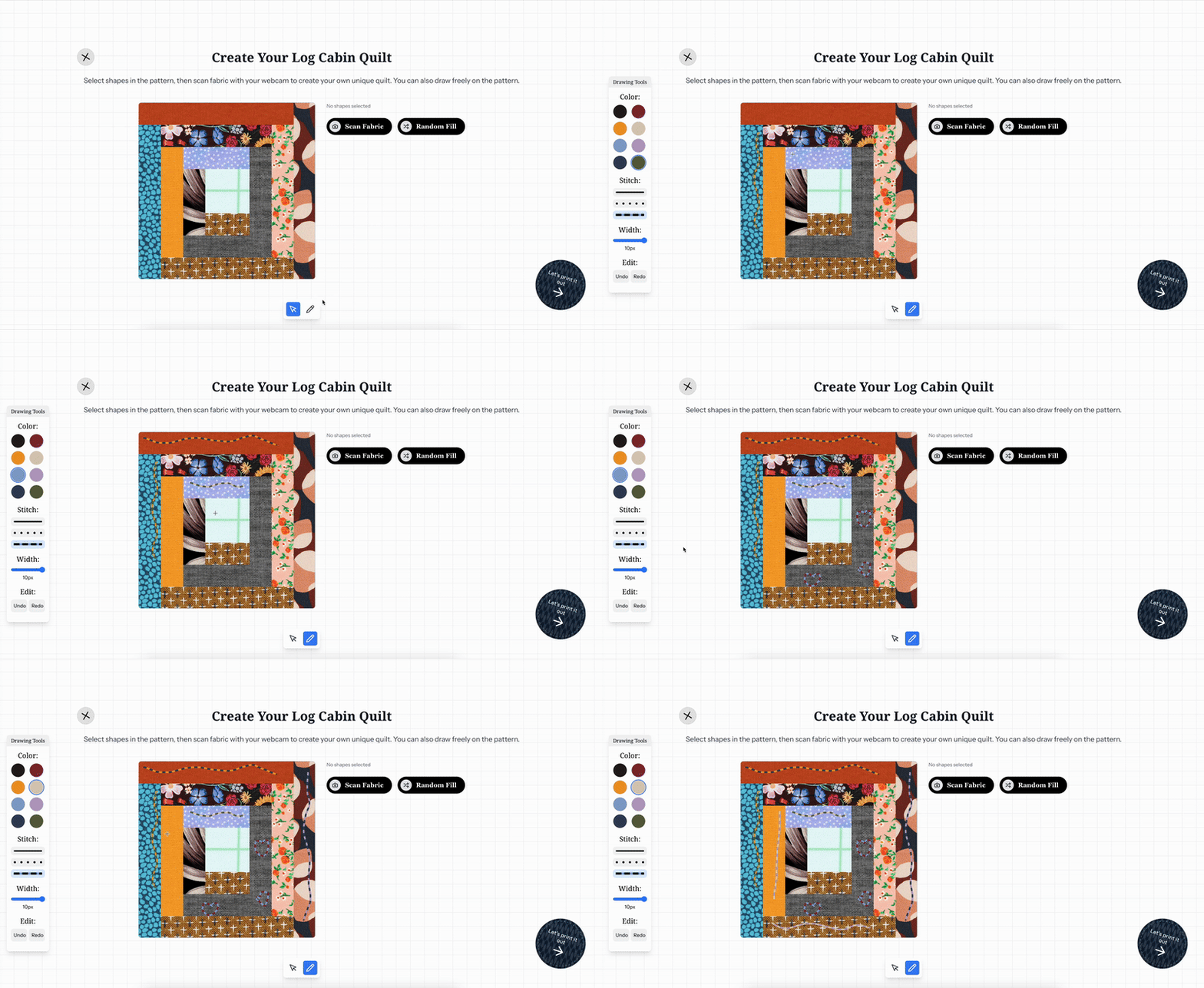
They then customize their quilt digitally by selecting fabrics and adding stitches, supported by tactile tools like a fabric swatch book and smart pen that bridge physical and digital making.
4. Pause to learn
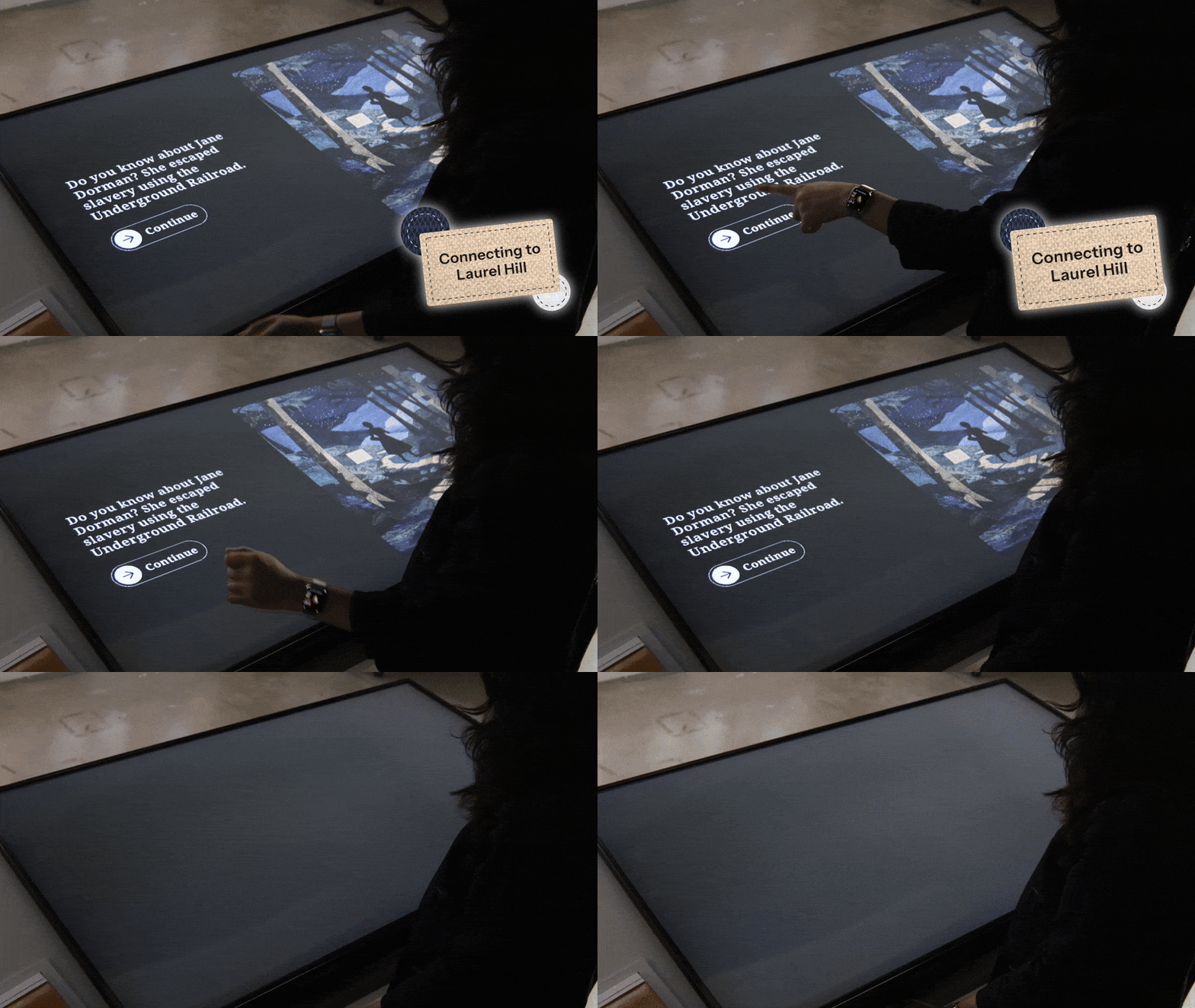
As the quilt comes together, short vignettes reveal the pattern’s meaning and its connection to the Underground Railroad and life at the Laurel Hill Settlement.
5. Community story sharing
Visitors respond to reflection prompts and share an oral story, contributing their quilt block and voice to a growing community quilt wall.

6. Take a piece with you
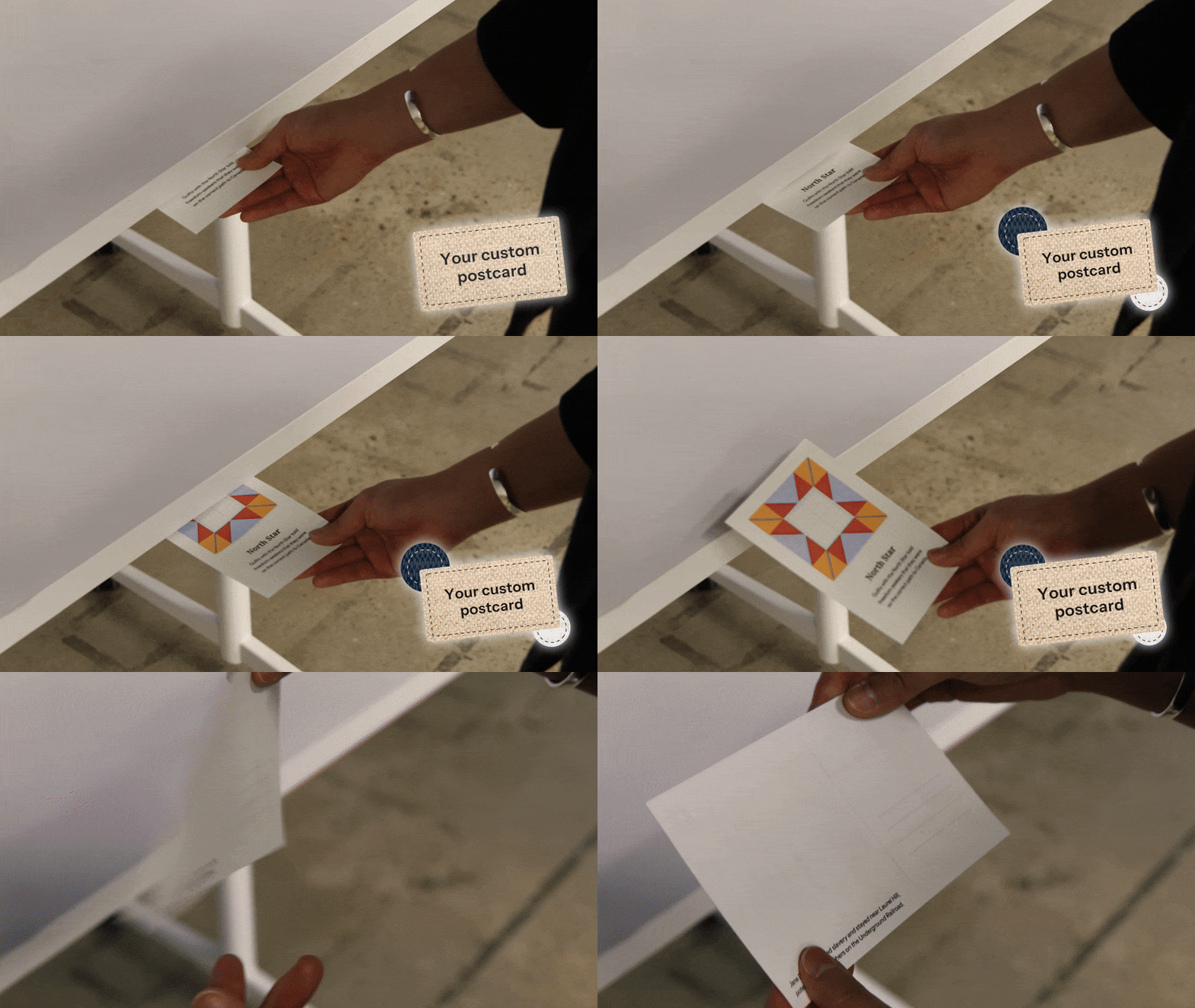
Before leaving, they receive a printed postcard of their quilt, serving as a lasting, personal reminder of Laurel Hill’s stories.
Research
Unearthing Laurel Hill’s untold stories
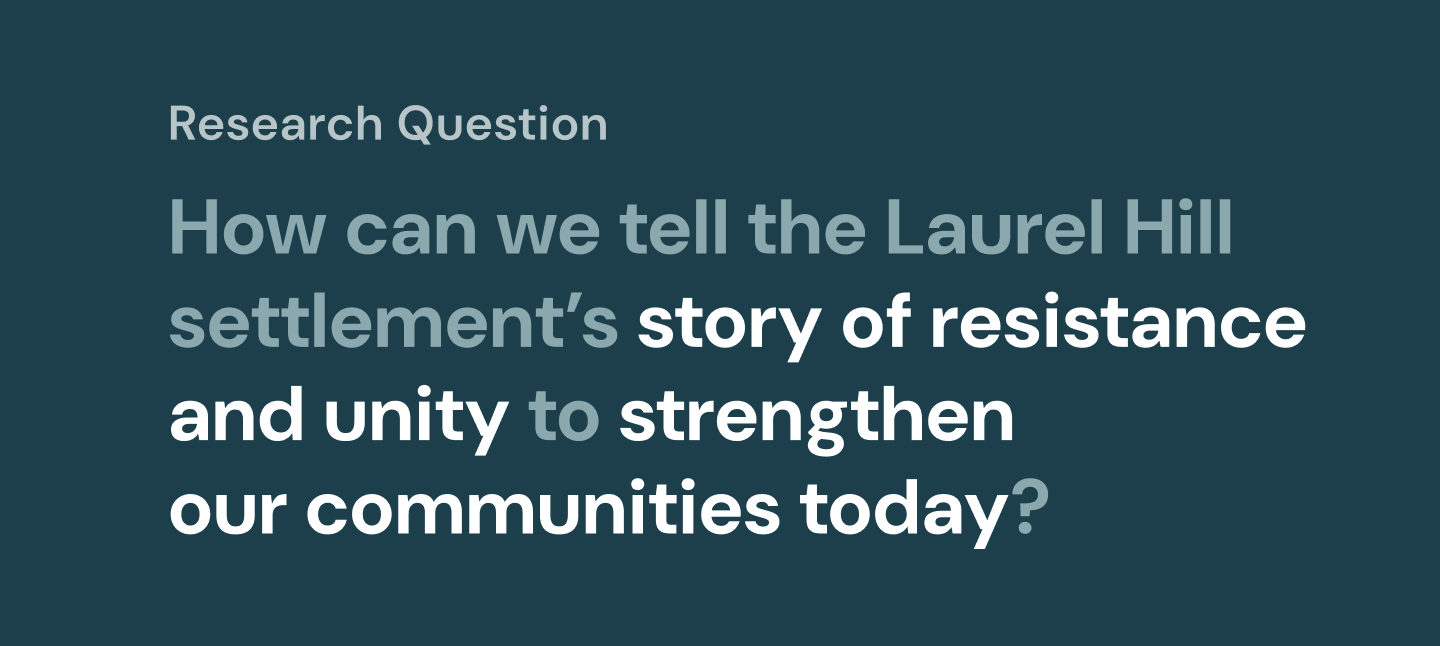
Through research, we identified key narratives that position Laurel Hill as an active part of broader networks of resistance, care, and community:

Resistance through community
Laurel Hill residents formed networks of care and mutual support.

Women’s invisible labor
Women sustained the settlement through caregiving and domestic labor.

Landscape as a freedom network
Laurel Hill’s position between Johnstown, Pittsburgh, and Ohio is within a broader landscape of Underground Railroad routes.
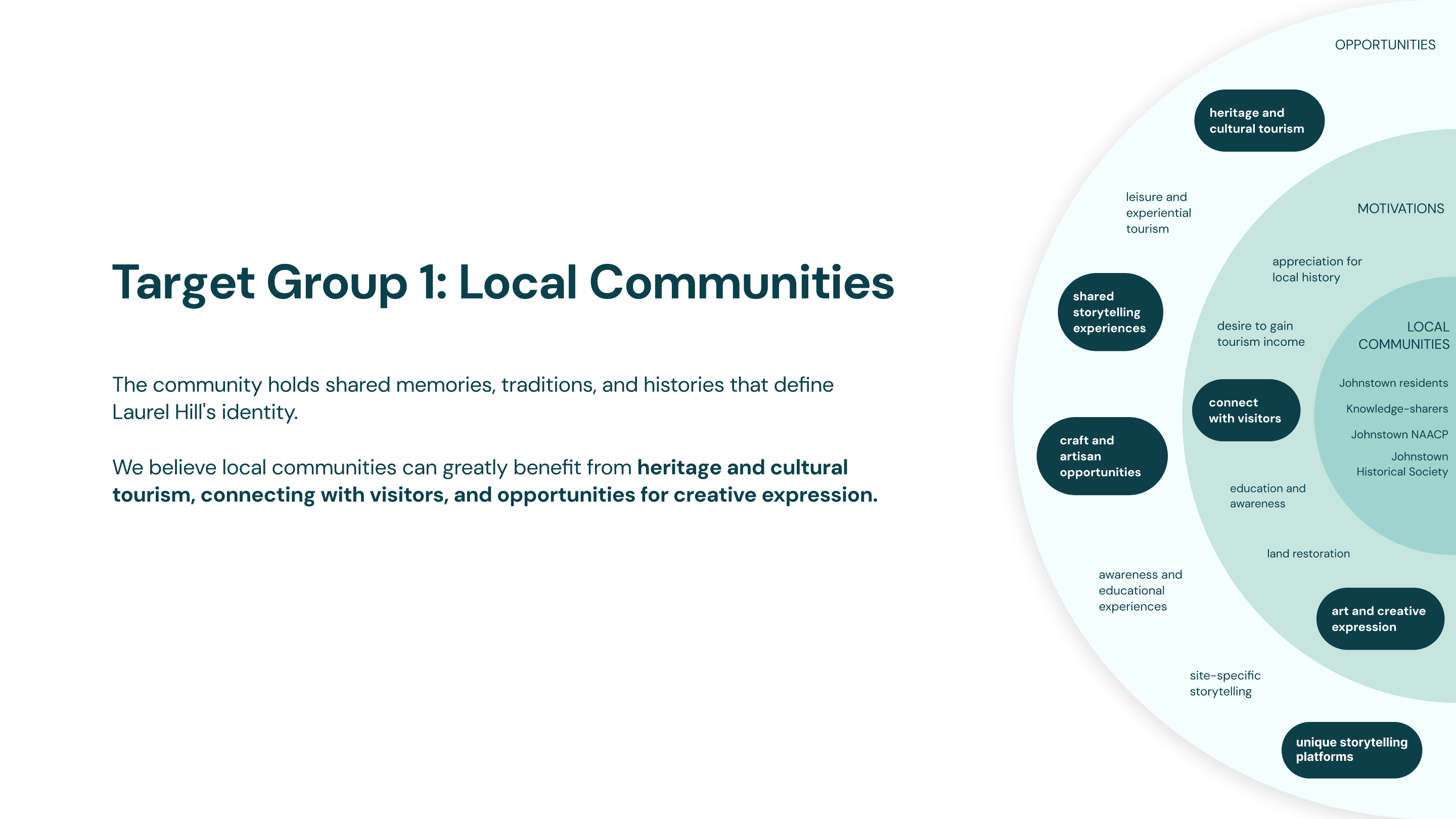
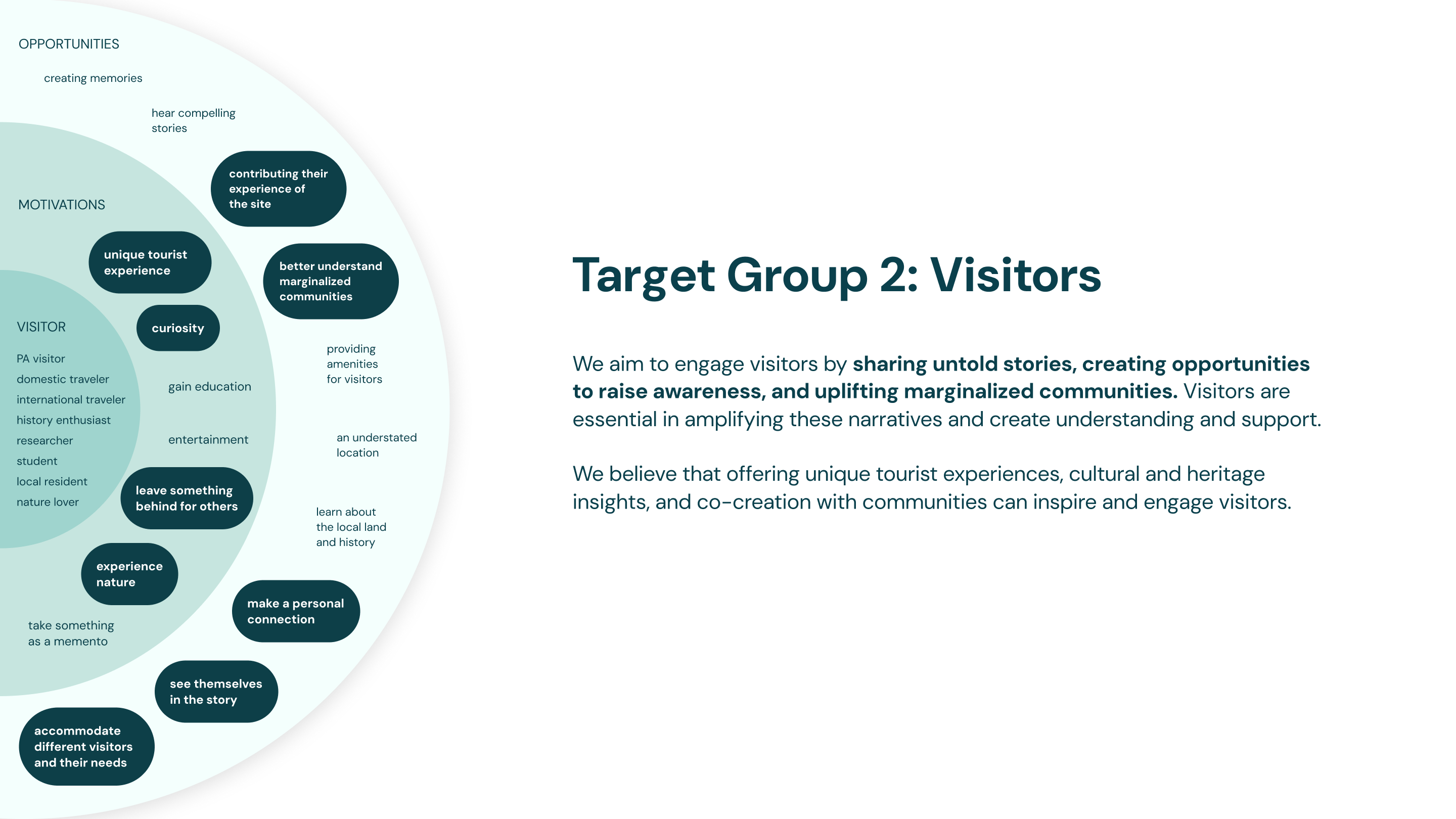
Communities and visitors as target groups
Through a territory map, we identified main constituent groups and areas of interest that will frame our research and keep our team aligned.
synthesis
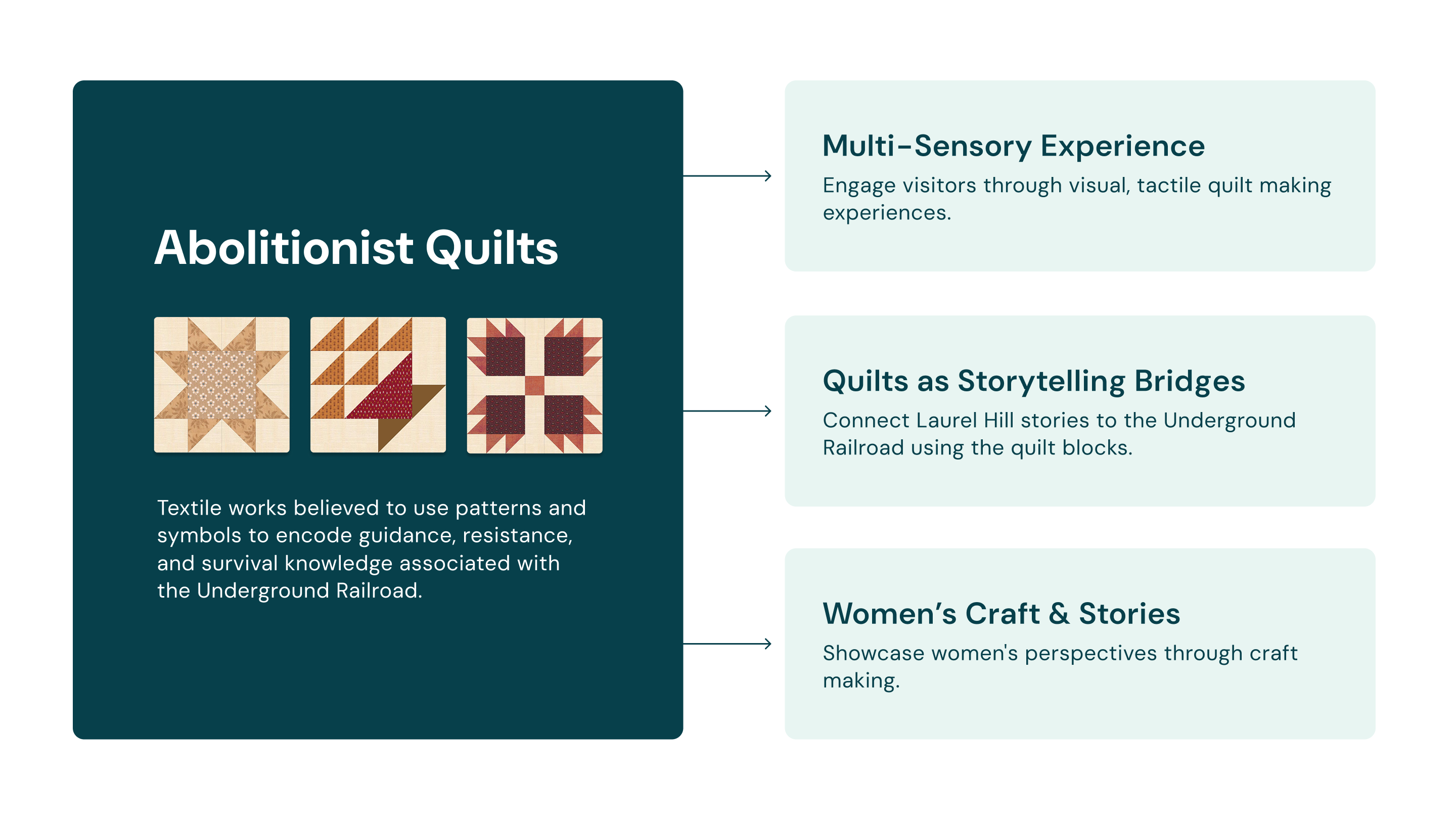
Abolitionist quilts as narrative anchors
We use quilt patterns as a culturally grounded storytelling tool to interpret the Underground Railroad and Laurel Hill, turning coded symbols and oral histories into participatory learning experiences.
Ground our solution in design principles
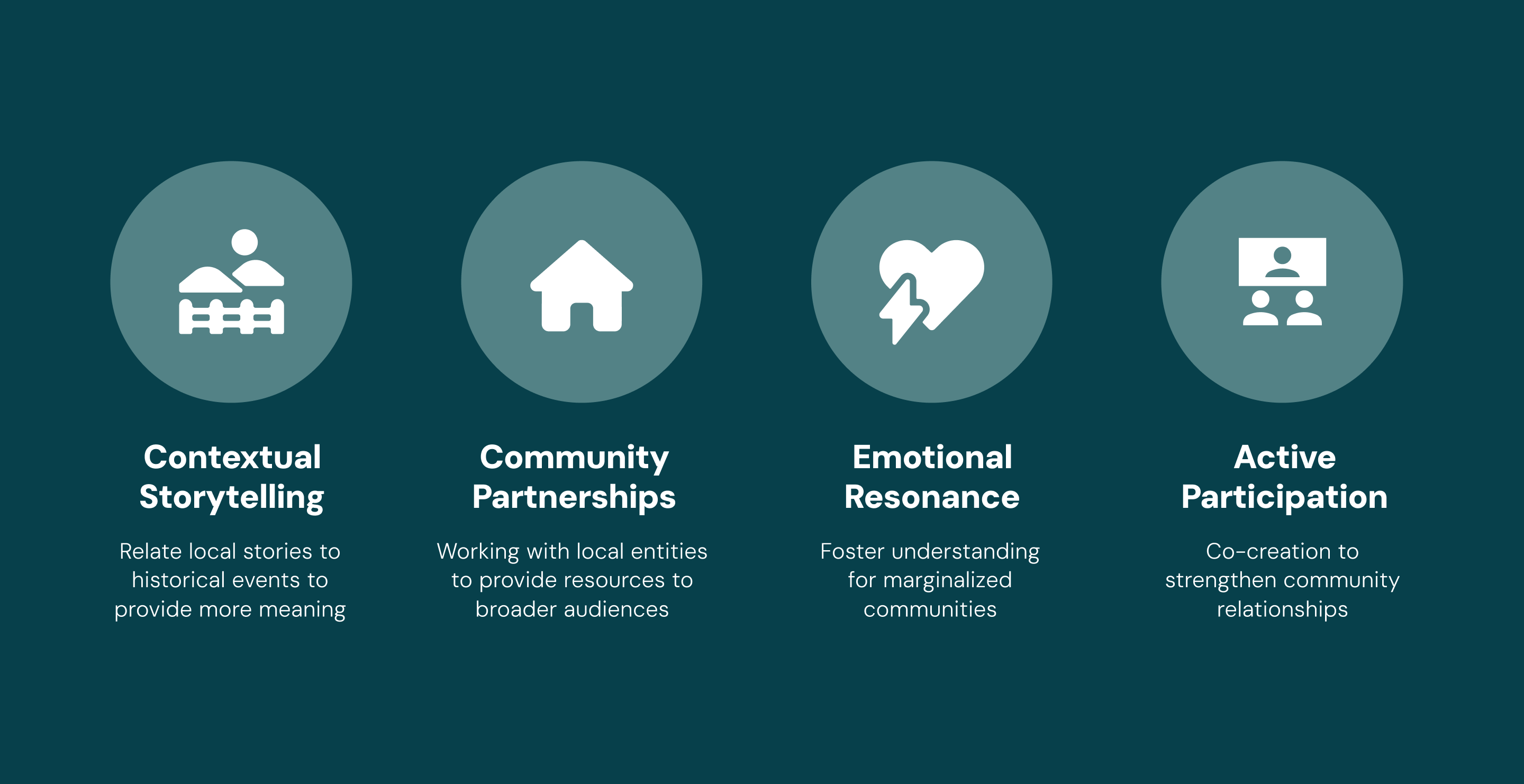
We established four design principles to guide our brainstorming and shape the direction of our design solution.
Design
User journey & key interactions
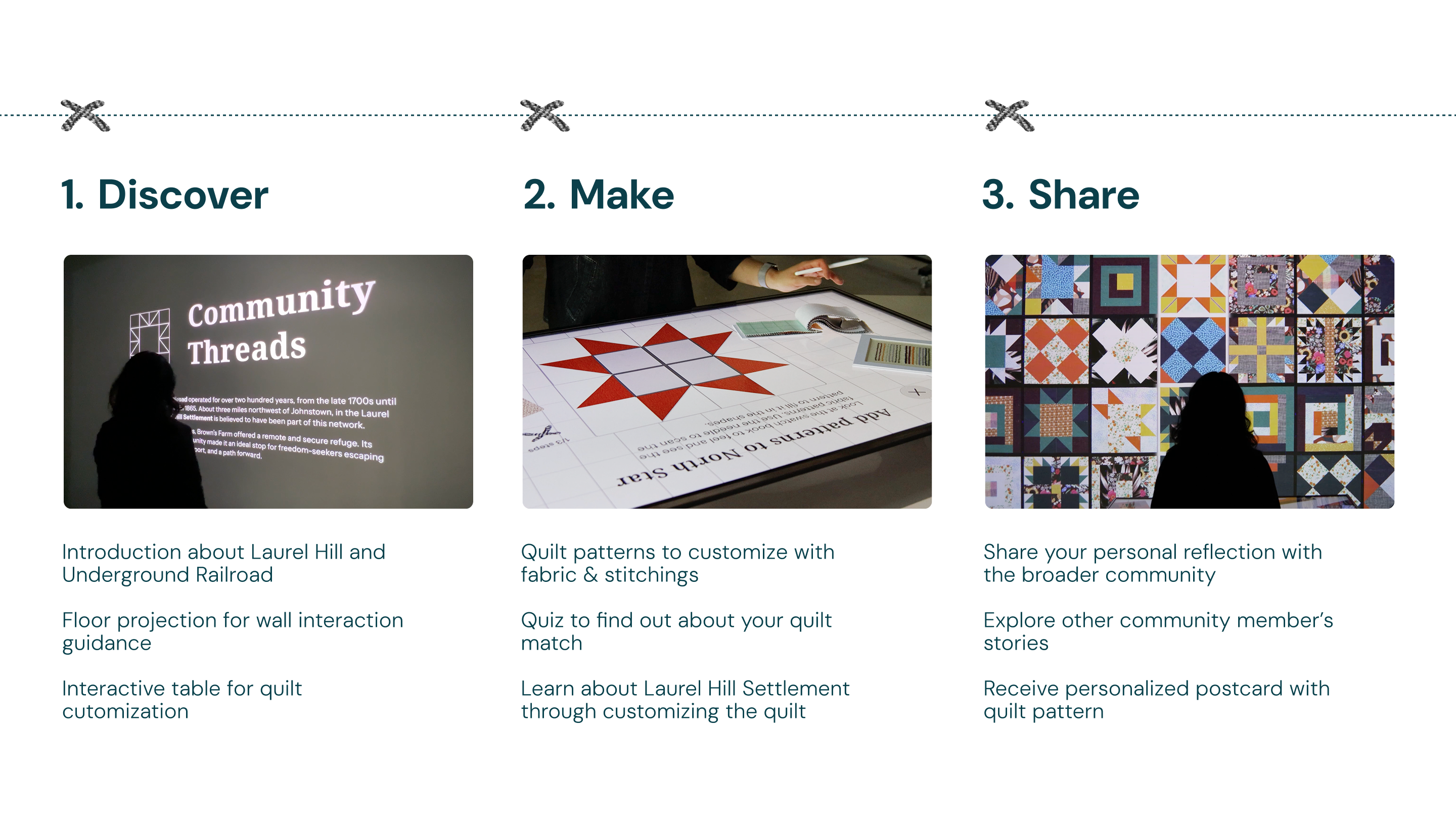
The experience unfolds in three phases: learning about Laurel Hill, customizing a quilt, and sharing personal reflections through a gesture-activated wall and interactive table.
Johnstown Heritage Center
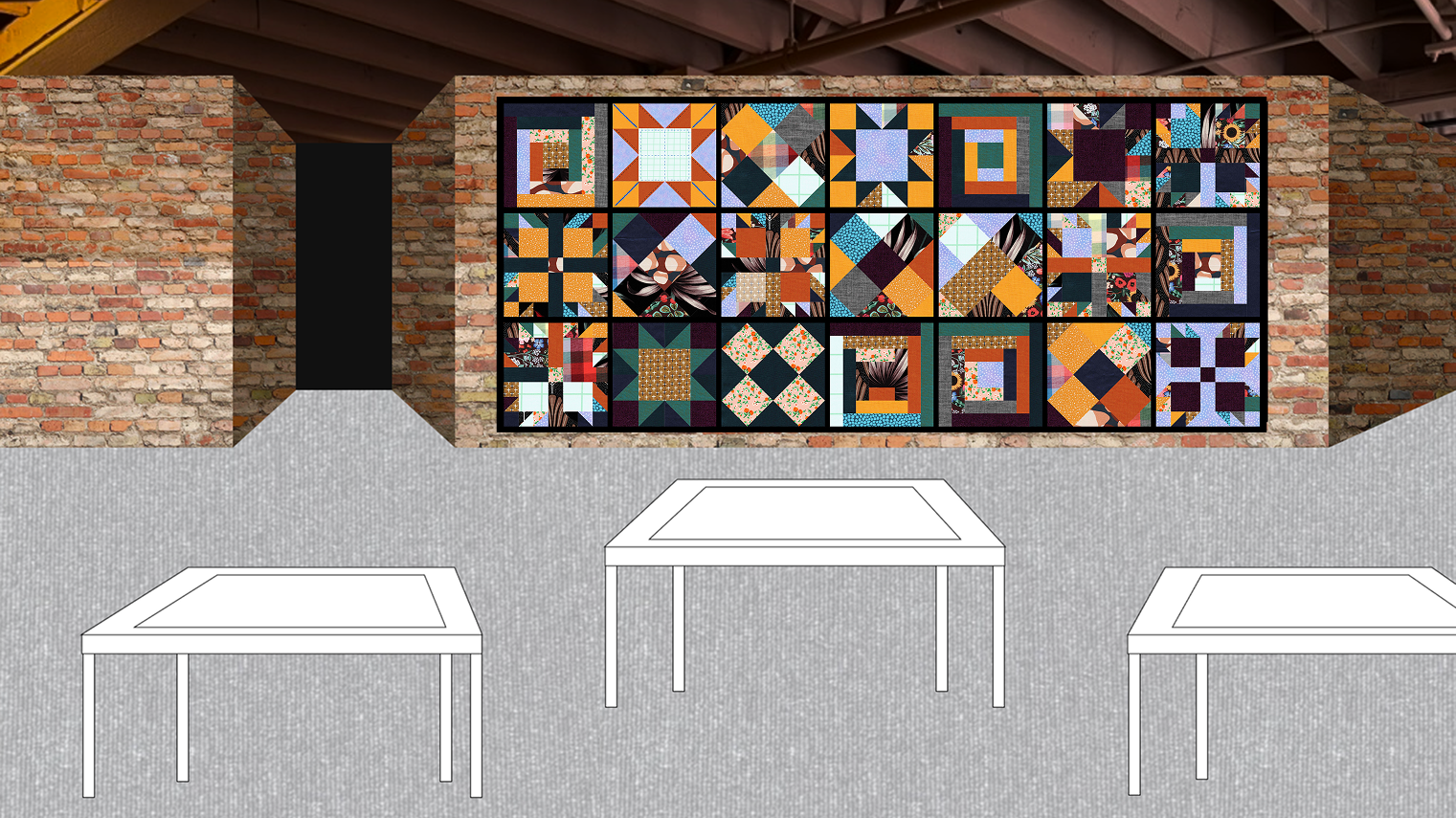
We located the experience at the Johnstown Heritage Center to leverage its accessibility and role as a community hub for local history.
Prototyping
Building a fabric-responsive quilt interface
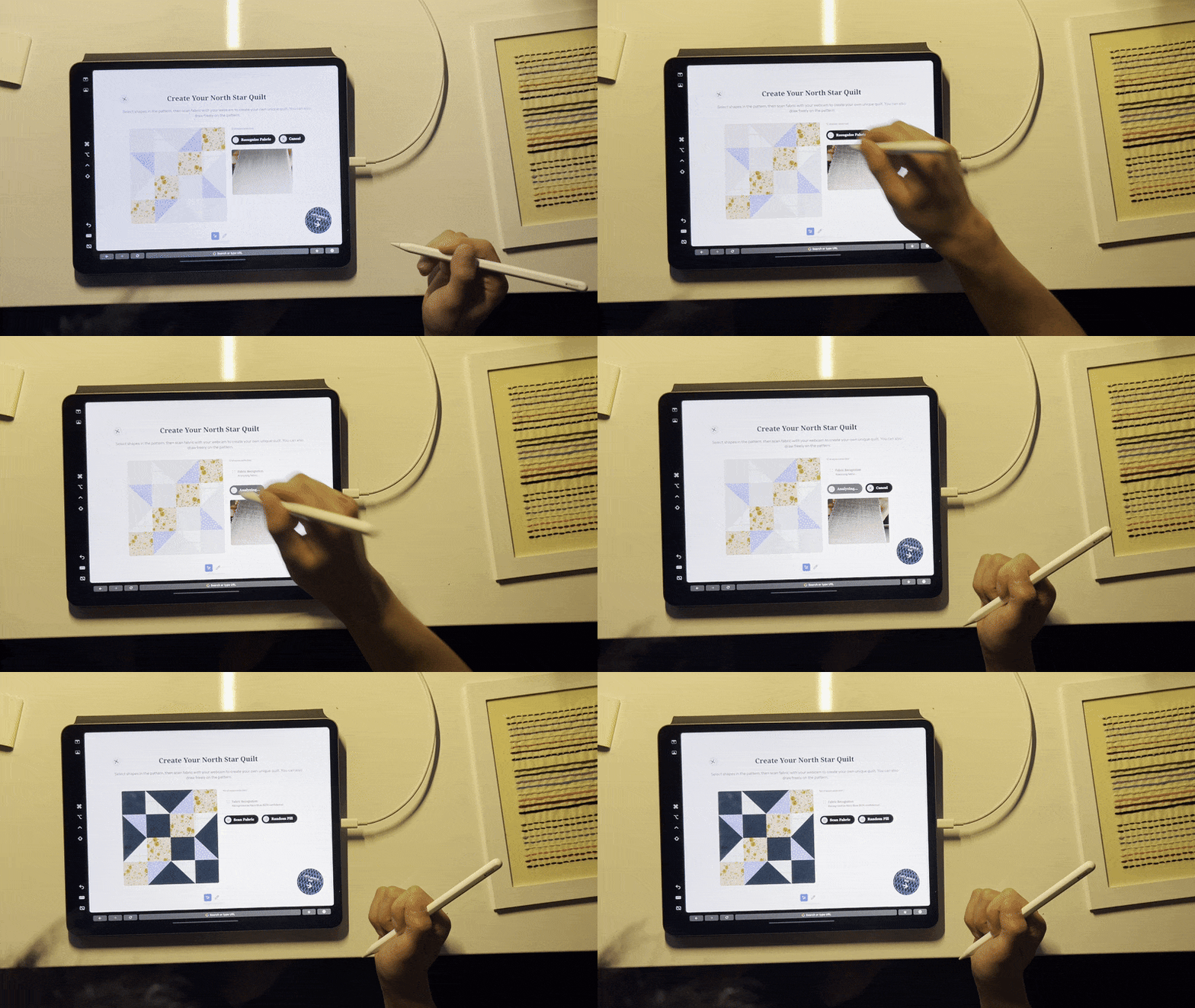
We created a fabric book and stitch samples, trained a fabric-recognition model with Teachable Machine, and integrated it to customize quilt sections digitally.
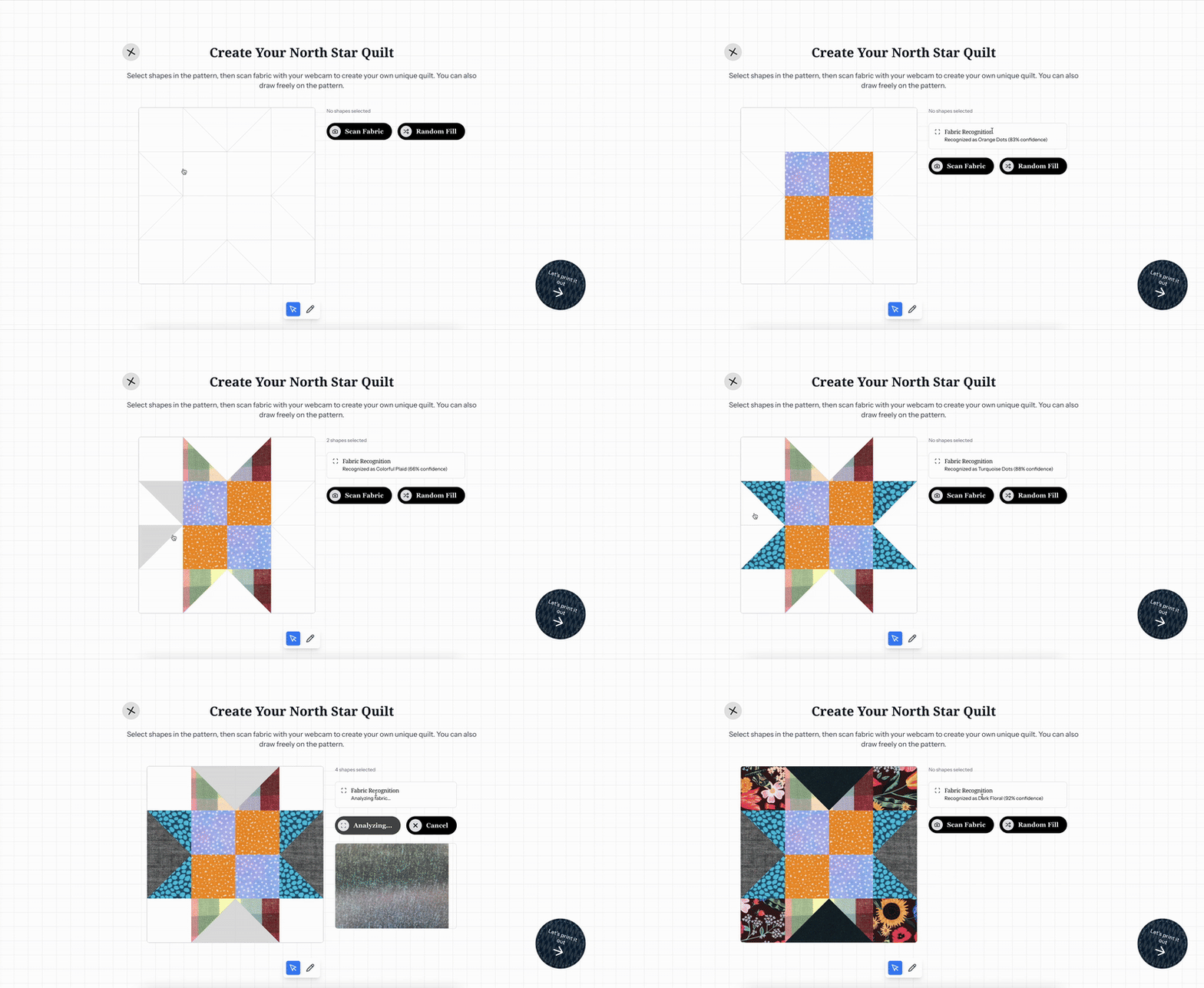
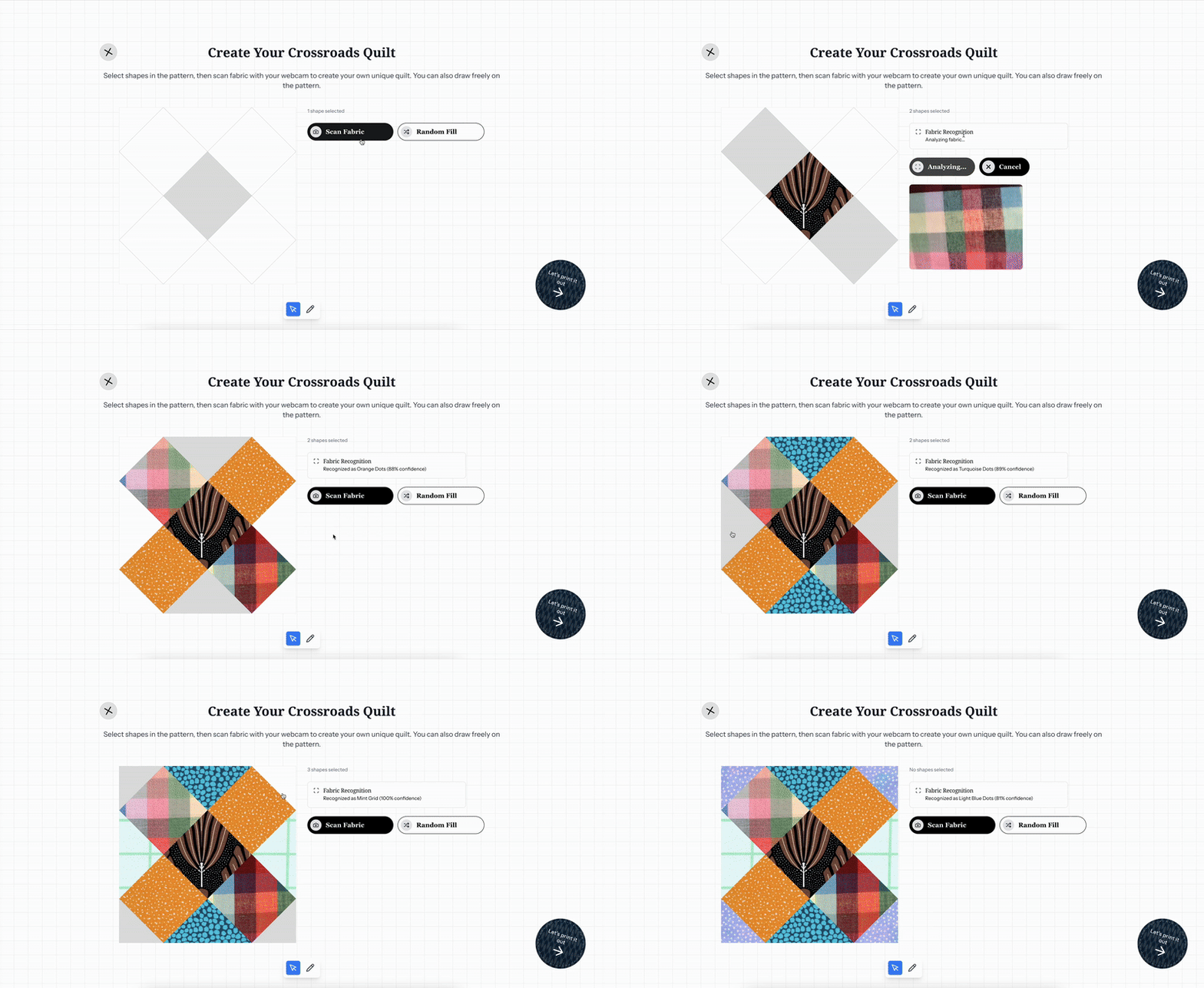
Adaptive quilt customization features
We included a quick quiz to help visitors find a meaningful quilt pattern, with options to auto-fill colors or draw stitches inspired by physical samples.
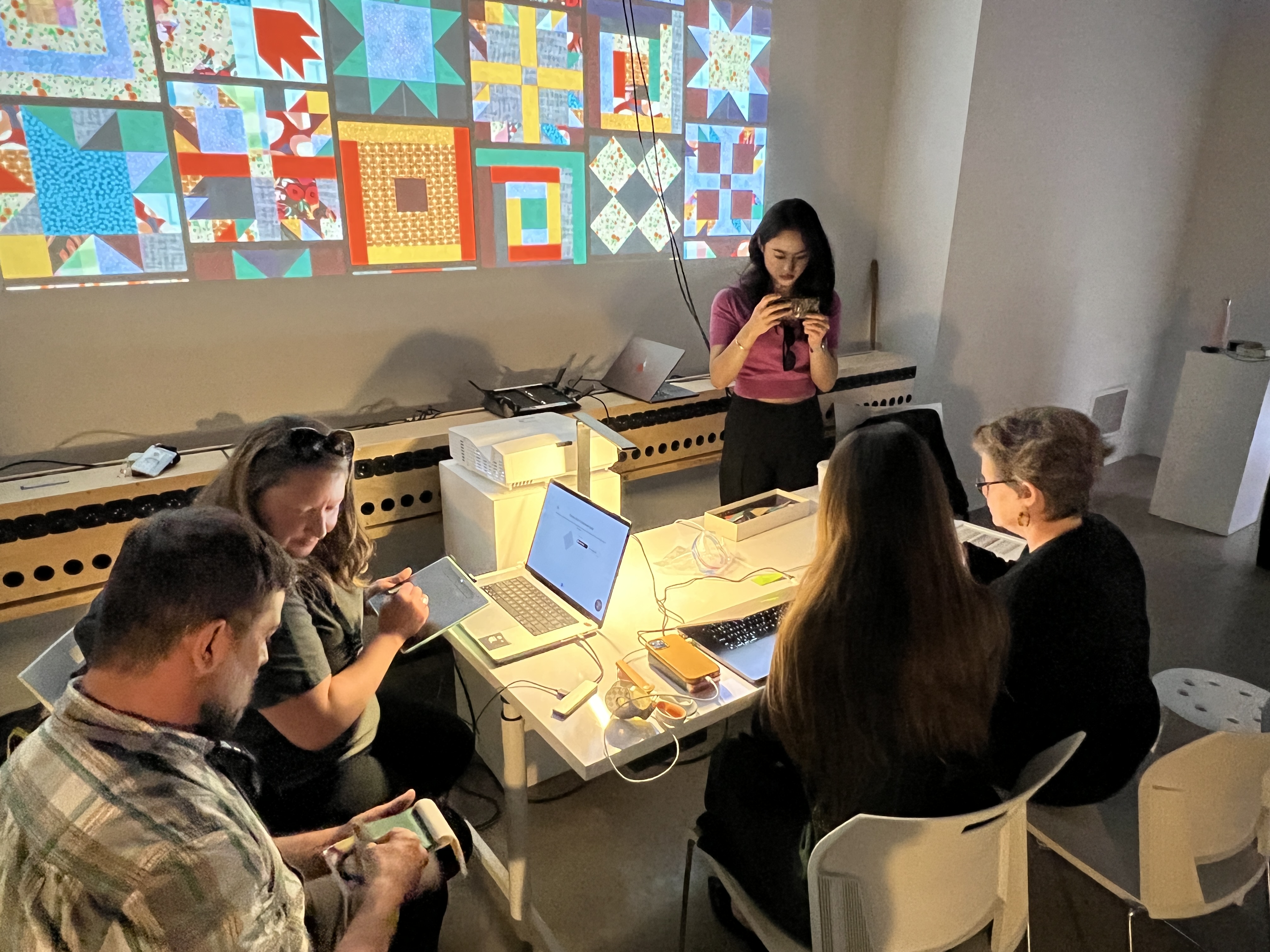
Prototype showcase
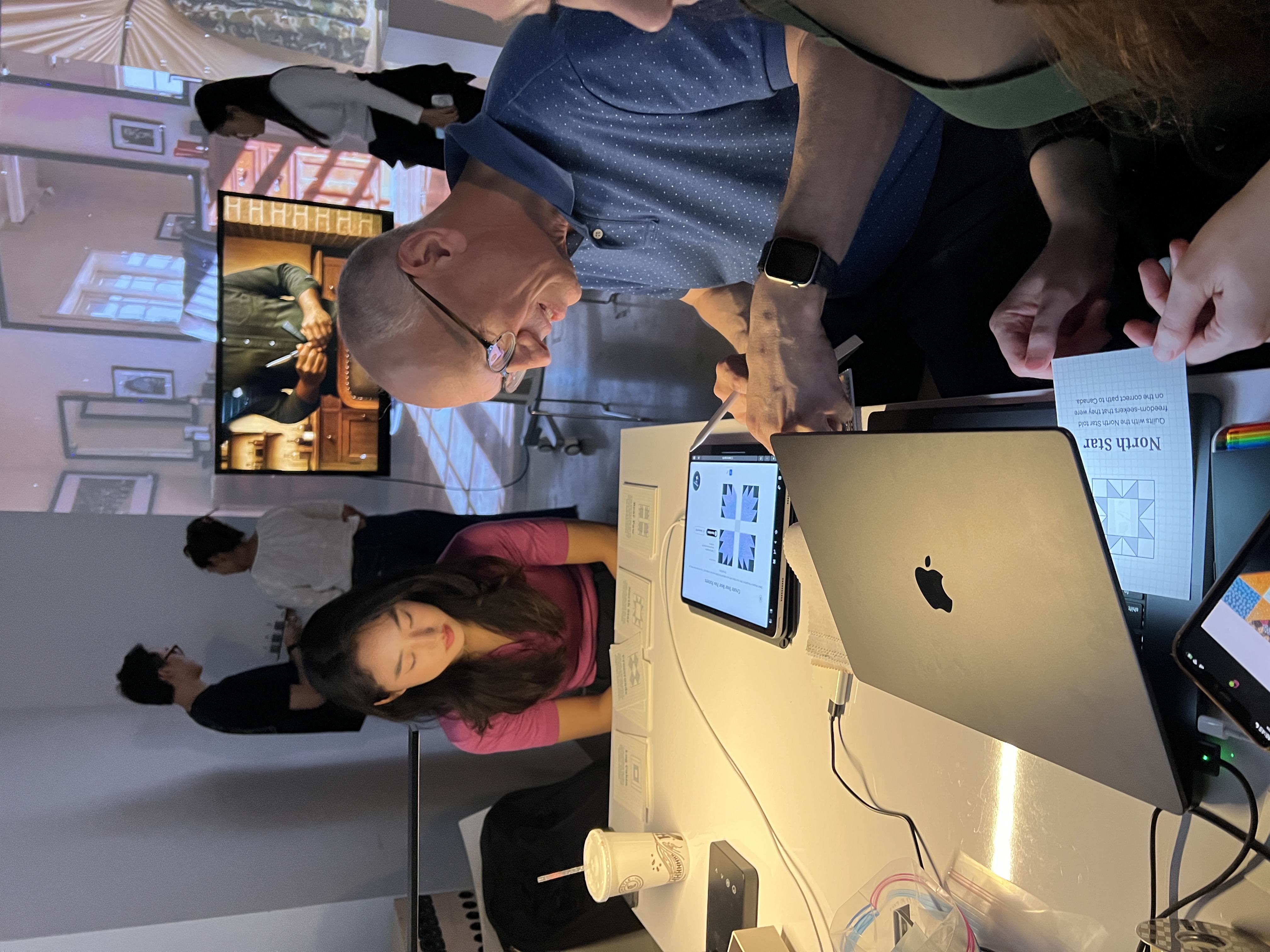
Participants used the fabric book and stitch samples to customize their quilt patterns, then received a printed postcard of their design as a personal souvenir.